What the Ledger Left Blank
Page 244 of 301
Chapters
Jory noticed Elspeth in the doorway. “You’ve taken the table.”
“We paid for it.”
“I didn’t say otherwise.” He nodded toward the desk. “You can take your order slips, if they’re yours. Leave the ledger.”
“We have ours,” she replied.
“Good. Then there’s no confusion.” He turned back to the buyer.
Elspeth went to the alcove. The stove was cold, its iron door shut. She ran her fingers along the edge of the shelf where the free-wash bundles had once been left. There was a shallow scrape in the wood from years of parcels being set down and lifted again. She thought of her childhood blanket’s blue binding, patched by Merren from scraps of worn dress cloth. She thought of how it had returned to her arms, not as proof of theft but as proof that care had existed without a receipt.
She had not taken the blanket from the laundry. Merren had claimed it openly, and the last wash had been paid for from the scullery’s supported turns. It had dried on the lines above the copper, clean and sound. Now it lay folded in Merren’s cottage, kept for the day Elspeth had a bed where it could be spread without trapping damp beneath it.
She did not need to bring it here. The workroom did not own it. The new shop would not require it as a sign of what it had saved.
Keziah joined her with a small bundle of cloths under one arm. “Ready?”
“Yes.”
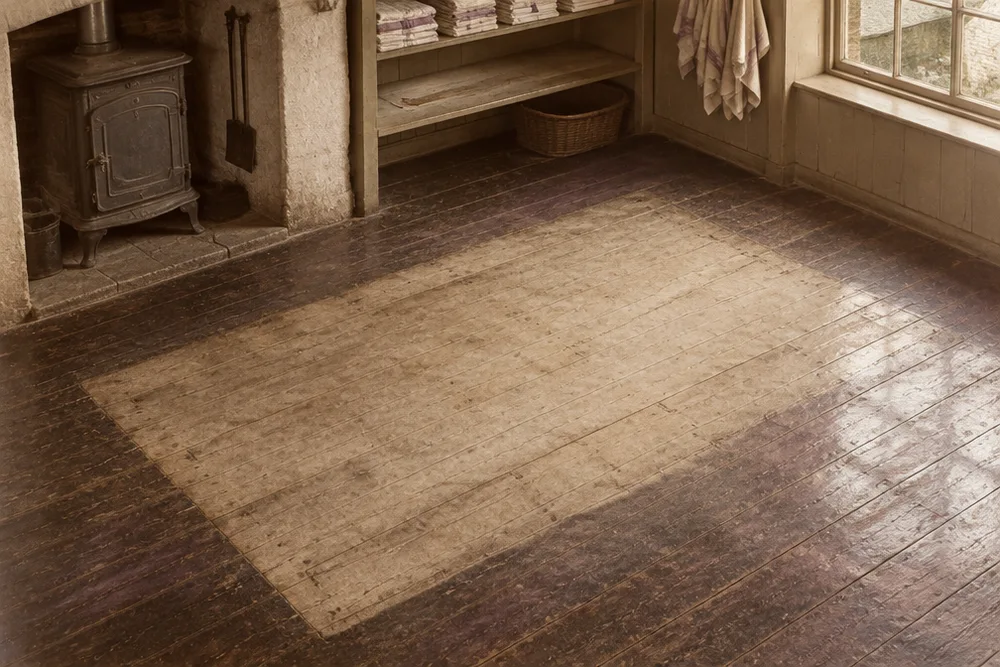
They walked past the sorting place without stopping. The table was gone, but a pale rectangle on the floor marked where it had stood. The boiler buyer tapped a pipe, and the metal answered with a hollow ring. Jory had turned back to the ledger desk.
At the yard gate, Elspeth paused. She looked once at the windows, their glass clear now, the old steam no longer softening the edges of anything. Then she went out into the lane beside Keziah.
At the scullery the next evening, a small notebook lay on the table beside Tom’s route list. Its pages were ruled by hand. Across the top of the first page Keziah had written the date, the amount of coal in the bin and the hours allotted for washing. Beneath that were three columns: order, work paid, money received. A fourth space, blank for now, waited at the right edge.
“What shall we call it?” Tom asked, leaning over the table.