Historical Fiction
Meet fictional characters living through other eras, from family stories to historical mysteries.

Top 10 Books
Most read in this category.
-
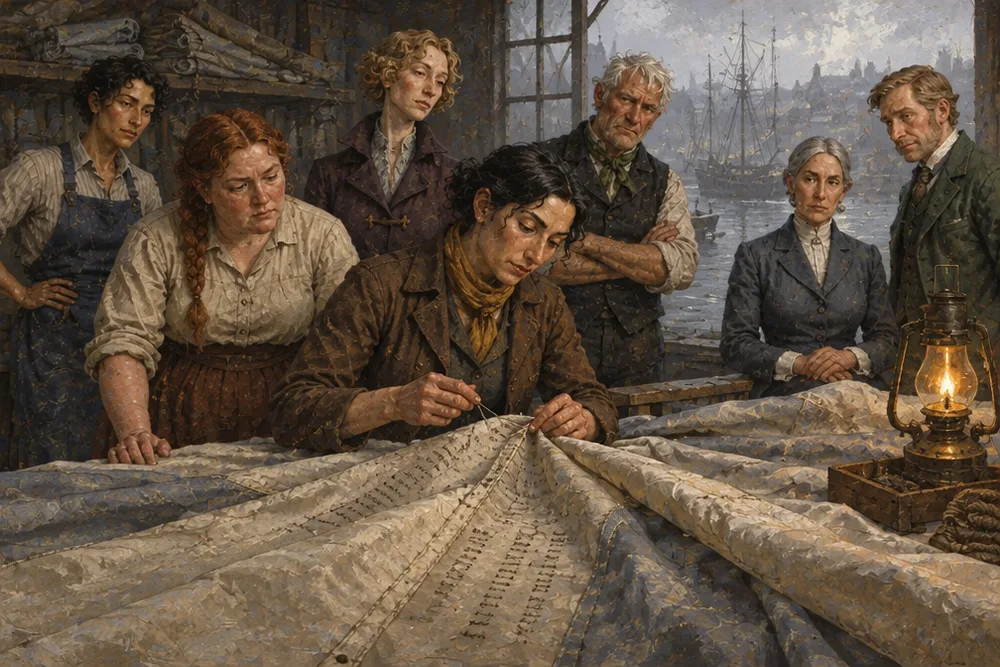
The Linen Ledgers of Marrow Quay
In a fictional Atlantic port in 1912, sailmaker Sabine Otterwick sews under a cousin’s name so she can live in the company village with her sister. When the company sells its houses, it gives tenants one week to prove permanent residence.
-
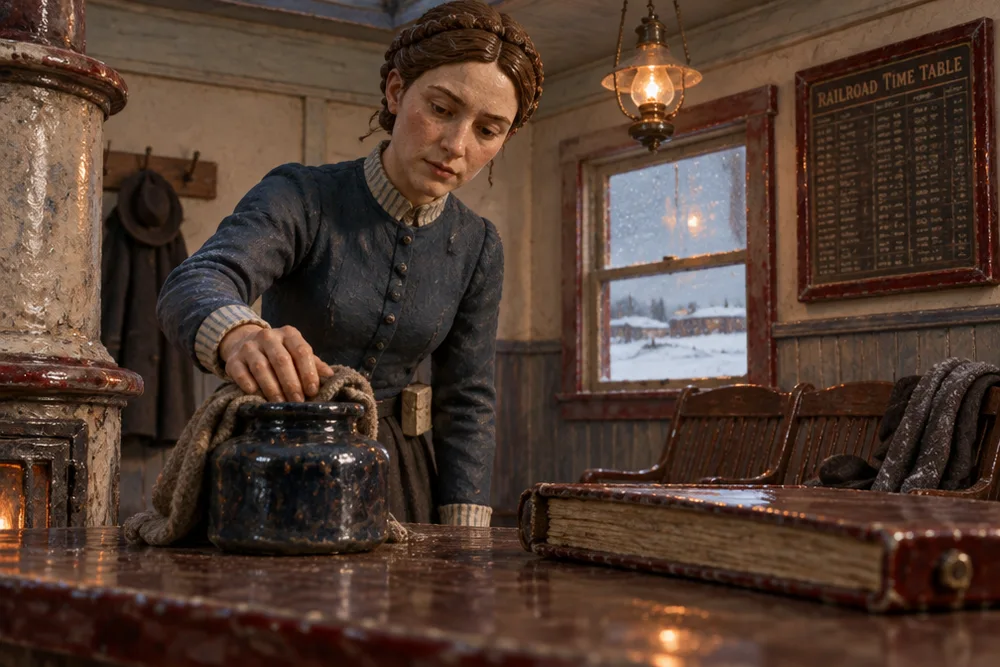
Night School for the Coal Bills
Before Zella Lind can take attendance, she has to thaw a jar of ink. In the hard winter of 1895, the stationmaster of a North Dakota prairie town lends her the railway waiting room for a night school until the spring timetable takes effect.
-
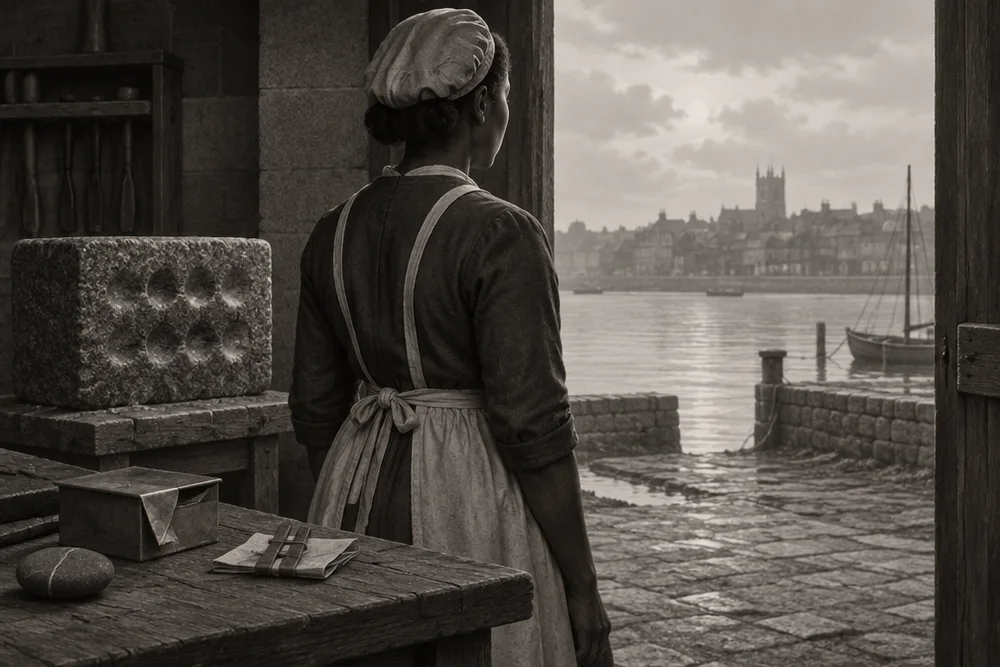
The Weight of One Pebble
Carving a new base for Brackmere’s ceremonial granite block could earn stonecutter Ottilie Wrenlow enough to buy the yard she has rented since her apprenticeship. Every autumn, six aldermen in furred robes carry the block to the tidal borough’s watergate.
-

Name Your Boat, Cut Your Sail
In 1926 at Brindle Quay, Nell Trewartha has a buyer for her first sail and a bell she’s sworn never to sell. It hangs above her late father’s loft, where she plans to open a sailmaking shop.
-
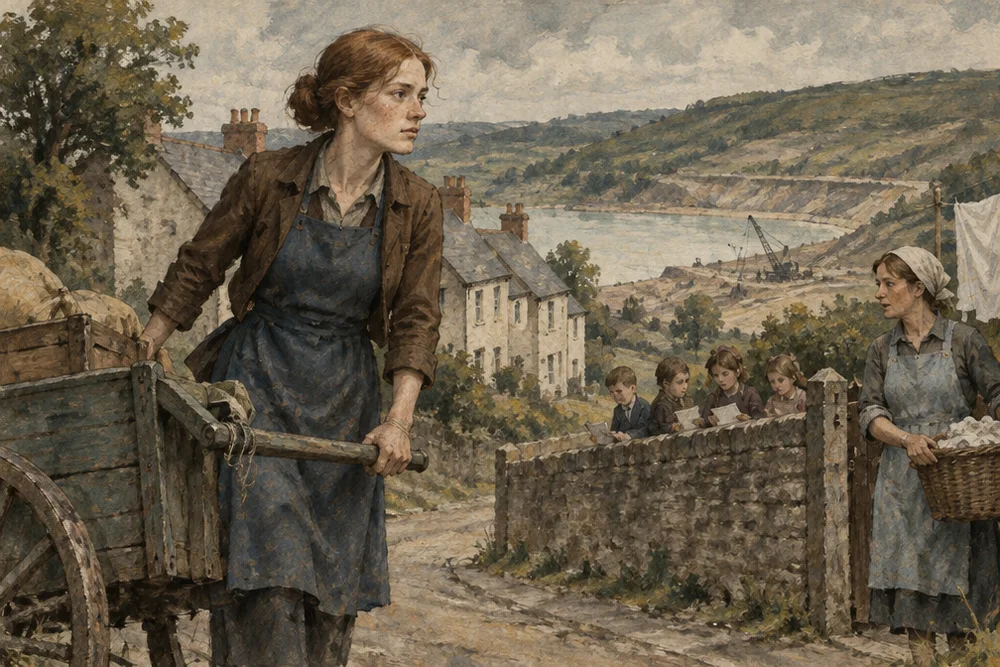
Sums Behind the Wash, Desks Under the Hammer
Elsie Ternlow borrows a handcart on the morning the county strikes her village from the map. It’s 1932, and a new reservoir will drown the valley before winter.
-
The Bell Was Not Carried
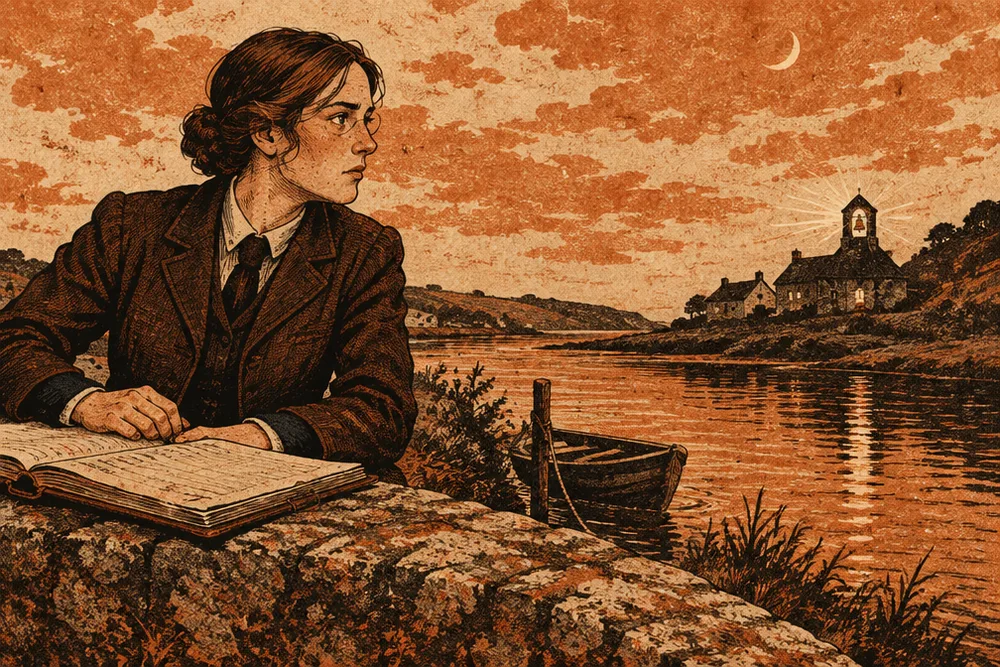
The smallest bell in the village ought to be on this side of the creek. When it rings from the far bank one November night in 1906, Cornish ferry clerk Fanny Kelynack knows someone has carried a passenger after the last scheduled crossing.
-

A Nursery Behind the Freight Shed Curtain
The first thing Jole Sormani puts on her laundry’s account is a lock. It’s 1919 in a northern Italian railway town, and she has six weeks to make a disused freight shed earn its rent.
-
Where the Flood Left Ink
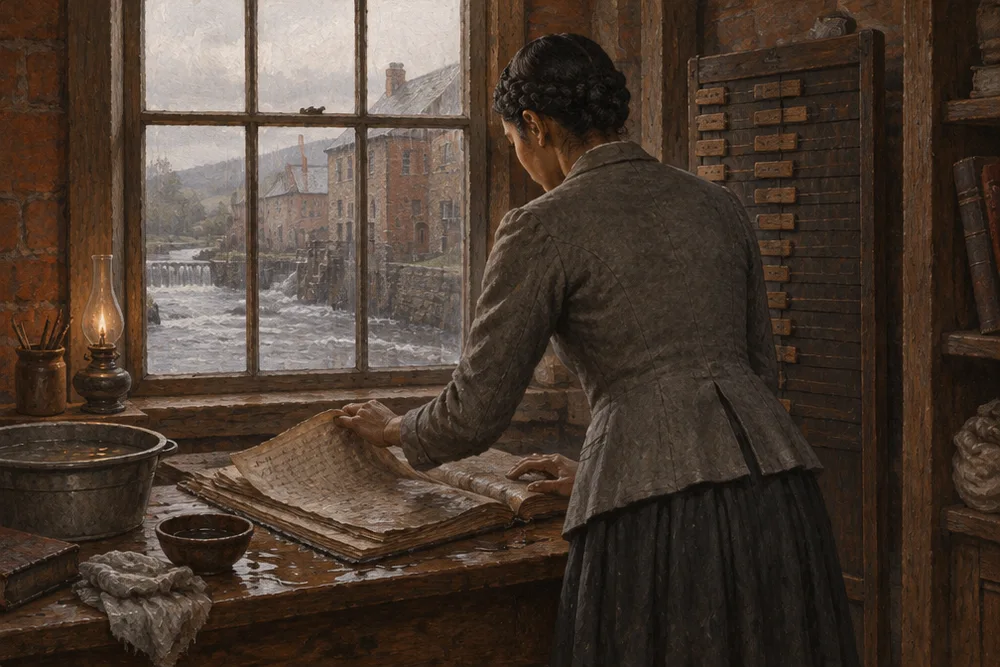
By the time the river drops in a Yorkshire mill town in 1872, the parish rent roll is soaked through.
-
Six Eggs and a Share in the Ferry
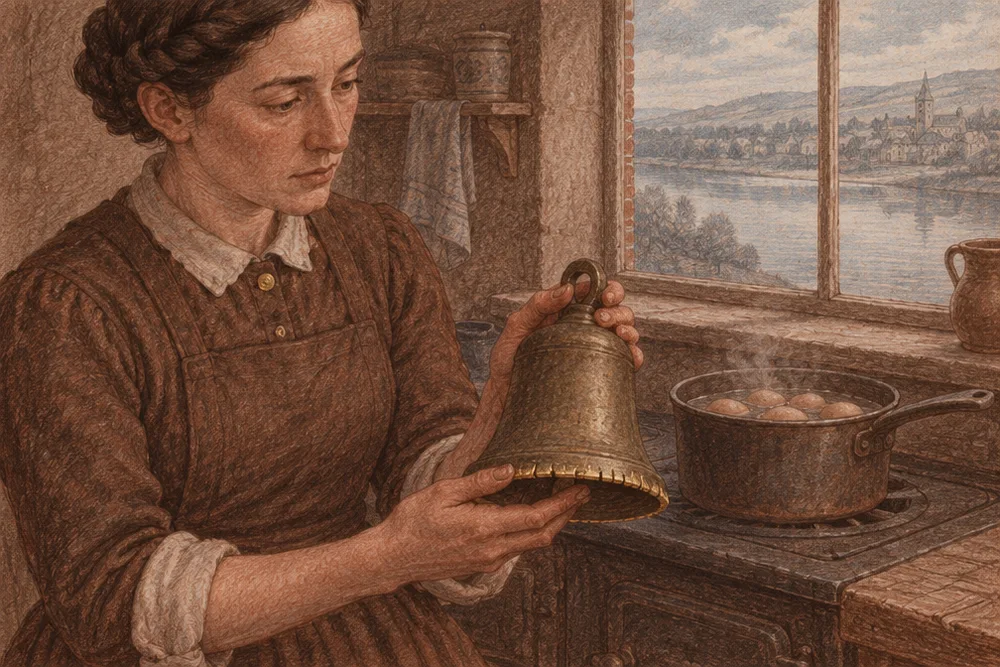
Six eggs are halfway to hard-boiled when the water board arrives to put a price on Agnes Venn’s kitchen. It’s 1897, and the Yorkshire village of Latch Beck is about to disappear beneath a reservoir.
-
The Names Beneath the Hem
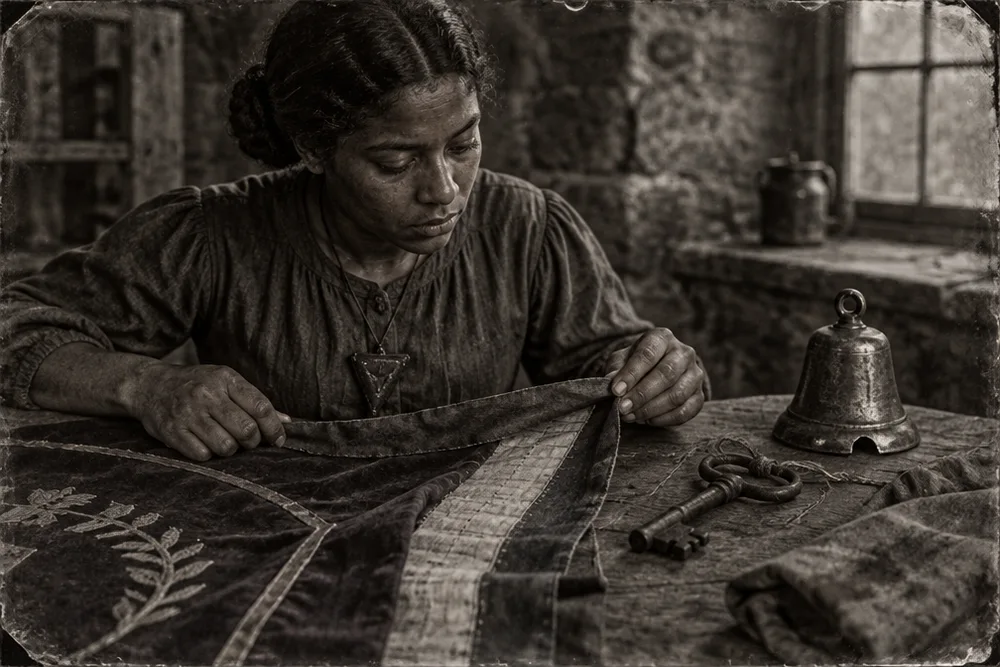
The mill bell costs Lettice Livesey a penny. The workers’ cottages are a separate lot.
All published books A–Z
Titles are sorted without an opening A, An, or The.
B


C
H
L
N
R
S
W
Top 20 Wishlist in Historical Fiction
Start with our picks for this shelf. Your votes move stories up the list.
-
 The Tide Came In, the Rents Read Out
In 1909, on a low-lying English estuary, the noon tide seeps through the floor of the rates office. Junior clerk Nella Vardon needs a permanent post before her winter wages run out.
-
 Blanket Washes for Eight Empty Cottages
Six weeks before a reservoir is due to flood the English valley of Lark Beck in 1908, laundress Bess Wadlow is counting on compensation to rent a washhouse in the town uphill. But the water board’s occupancy roll lists her cottage as empty.
-
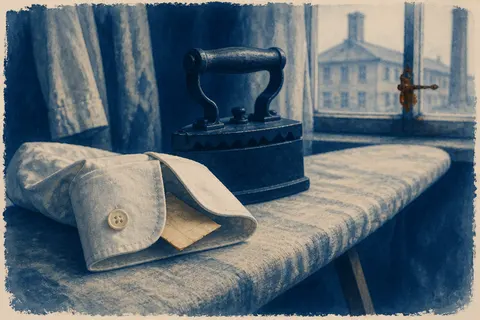 One Broken Lamp in Two Cuffs
A split cuff seam drops a scrap of paper onto Xanthe Ashcombe’s ironing board one February morning in 1874. It records a deduction from a spinner’s wages for a lamp the mill owner says she broke.
-
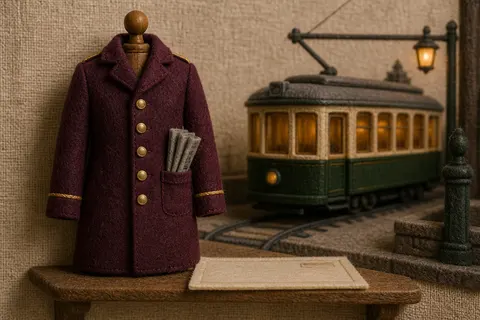 A Coat Without a Name
The first plum coat arrives at Bracken Cut tram depot with its brass buttons wrapped in newspaper. In 1926, the inland town is trading bottle green for plum, and sign painter Edith Strake wants the contract to repaint every route board before winter.
-
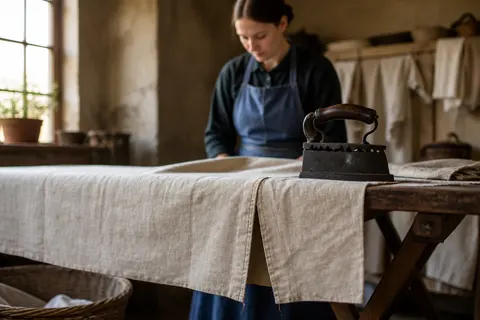 The Weight of Monday Linen
In the Austrian mill town of Erlbrück in 1873, the mayor’s tablecloth gets pressed every Monday before Dorothea Aichinger irons her own apron. She’s three weeks’ wages short of renting a washhouse where she can set her own prices.
-
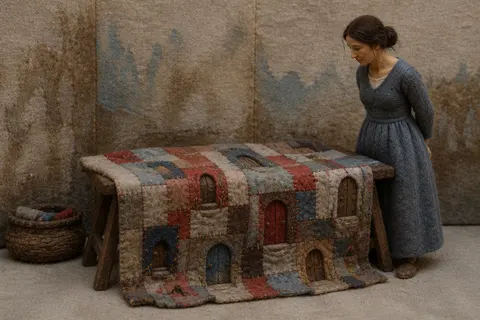 The Quilt of Missing Doorways
By morning, the river has erased half the lanes of a small Tuscan town. At the municipal clerk’s desk, tenants vanish a second time: the tax book he’s using to draw up the flood relief roll lists only landlords.
-
 The River Keeps Two Ledgers
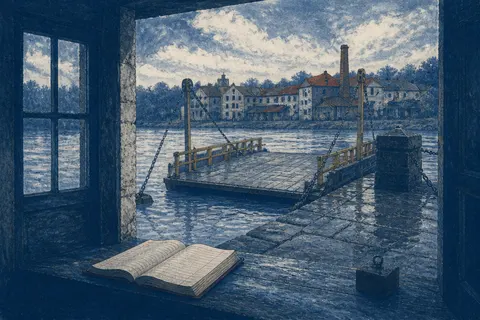
When a spring flood splits the English town of Bracken Reach in two in 1874, toll clerk Edith Whitcombe sets out to buy the stranded Baines ferry and run it herself.
-
 The Road That Ended Back Home
One more paid errand will buy Tabitha Hales a secondhand treadle sewing machine. In the winter of 1894, the clerk in her English fen village offers her exactly the sum she’s short.
-
 The Hours Behind the Kiln
In 1894, in a hill town in central Italy, Palmira Bartalucci pays for the last kiln firing before the autumn rains. If her glazed bowls reach the market intact, she’ll have enough for a deposit on a workshop with a door of her own.
-
 A Milking Stool in a Velvet Chair
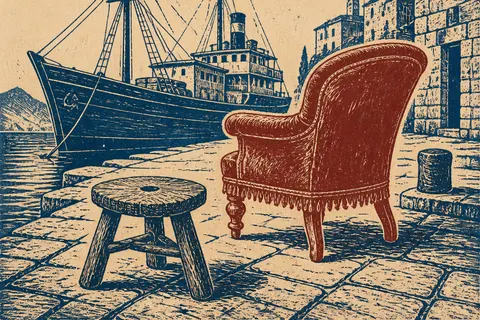
Every October in the Adriatic port of Valnera, harbor officials carry a velvet chair down to the quay and bow to it before the first grain ship unloads.
-
 A Closed Sluice, a Missing Name
At noon in Salt Wick, a single stroke of the marsh bell sends three households back to their dinners. One stroke calls for help at the sluice; two call for a boat.
-
 Two Charts on Six Legs
In 1873, low water leaves the sounding shed at Brindle Quay standing on six legs above the mud. Nell Tregenza wants her name on the Cornish port’s new channel chart and enough money from the work to rent a room of her own.
-
 What the Crooked Scale Kept
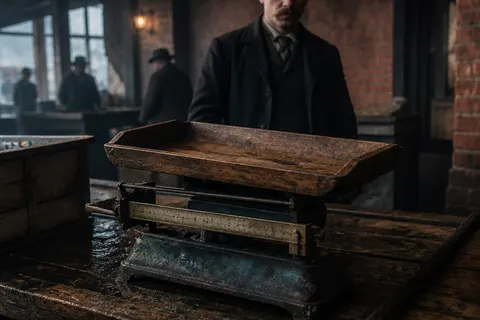
For eleven years, the crooked scale at the Hessel quay has served as a doorstop.
-
 Three Afternoons at the Ferry Shed Boiler
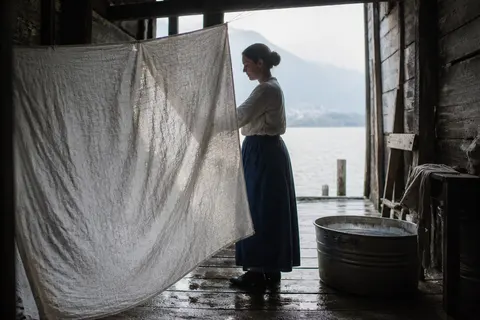
If the bedsheet dries before noon, Daria Kralj reckons the old ferry shed will do. It’s spring 1909, and a landslip has cut off the road to her northern Italian village’s washhouse.
-
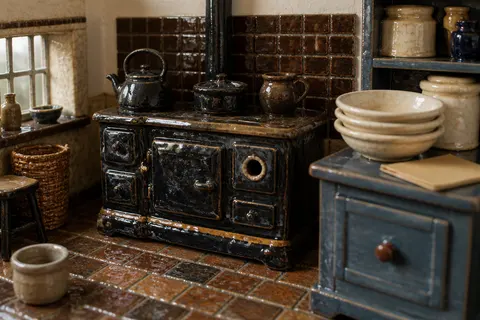 The Names Beneath the Bowls
At the penny kitchen in a Cornish tin village in 1879, a meal can go unpaid, but the cook must never write down who ate it. Elsie Penhaligon means to keep that rule until Saturday, when she hopes to buy the kitchen’s condemned range and start a bakery.
-
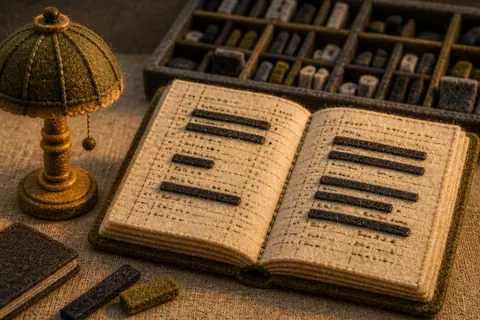 A Price List for Pears, Receipts for the Mill
In 1919, in the fictional Italian mill town of Bellafonte, a price list for pears brings Quirina Gualtieri within a week’s wages of buying a secondhand press. It’s the first job she’s set in type since the armistice.
-
 The Weight of Blue Clay
The cracked blue jug has held the weighing-room door open for thirty years. On the morning the railway buys the parish’s last kiln, Tamsin Eathorne packs everything she owns but leaves it where it is.
-
 Dye Water at the Threshold, Blank Ink in the Ledger
A permanent clerk’s desk could pay Wilma Riberi enough to move her mother out of company housing.
-
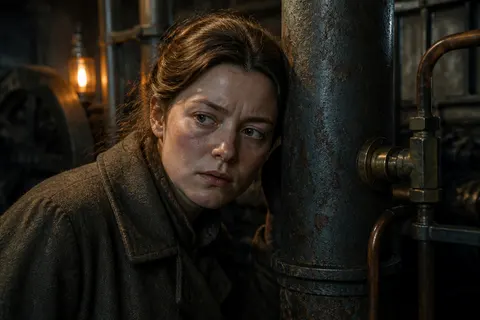 A Knock Below the Waterline
The bathhouse has six tubs, and Runa Skarholm has saved enough to buy five. In the spring of 1912, she takes one last shift at the pumping station in a Norwegian copper town to make up the difference.
-
 Wage Books Behind the Coal Bins
The last batch of drainpipes is still cooling when the surveyor comes to measure Hester Jowett’s kiln yard. It’s 1876, and a water company plans to flood her Pennine village.
More story ideas
Open a story to read the full synopsis and vote for what we develop next.
-
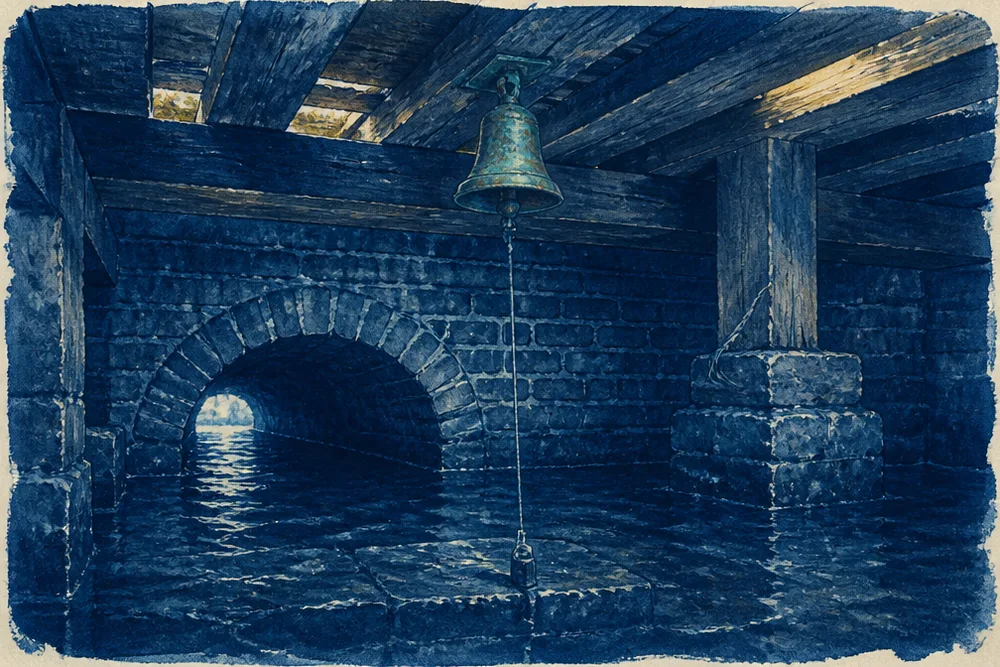
Sixpence for the Flood Warning
In the winter of 1879, Ursula Hatherley is sixpence short of the deposit on a secondhand mangle. With a mangle of her own, she can start taking in washing.
-
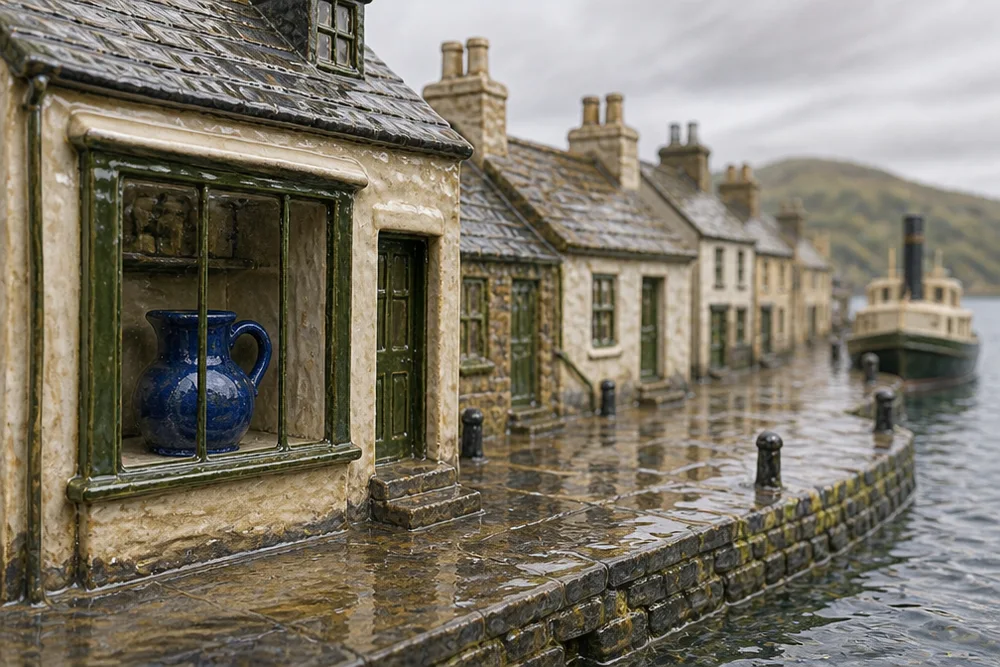
A Blue Jug for the Rate Book
Rain streaks the vacant shop’s window in the spring of 1874, but Wilhelmina Paterson can still see the blue jug she’s set inside. She counts the days until she can afford the lease.
-
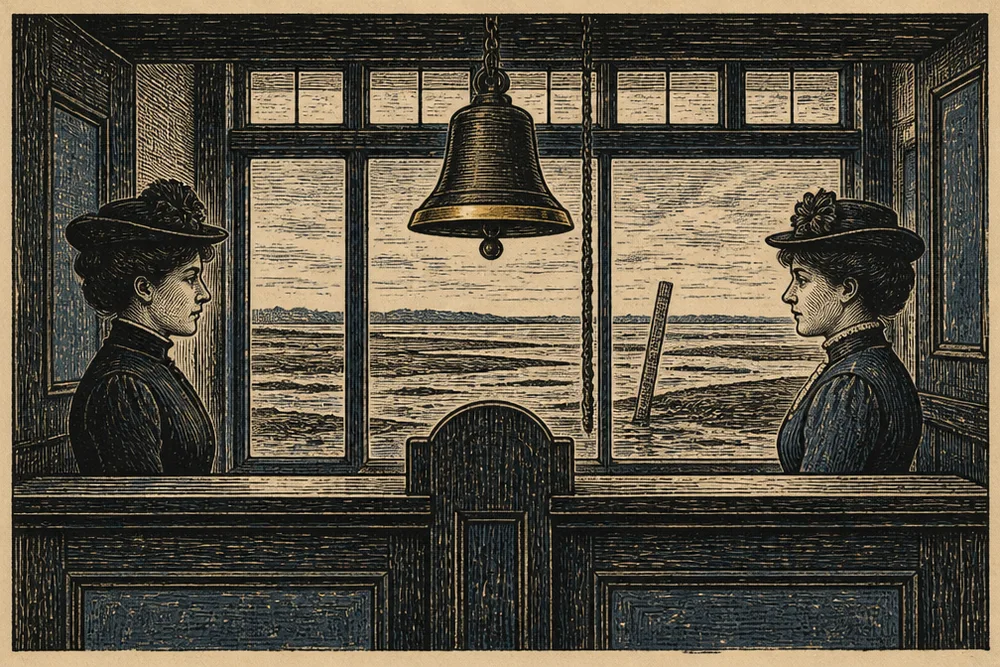
Egg Baskets Between Sailings
In Brackenwick in 1894, thirty years of ringing the ferry bell have taught Prudence Peverell what its passengers cannot hear: it sounds the same at low tide as at high tide. Her daughter, Bess Peverell, wants the ferryman’s contract in her own name.
-
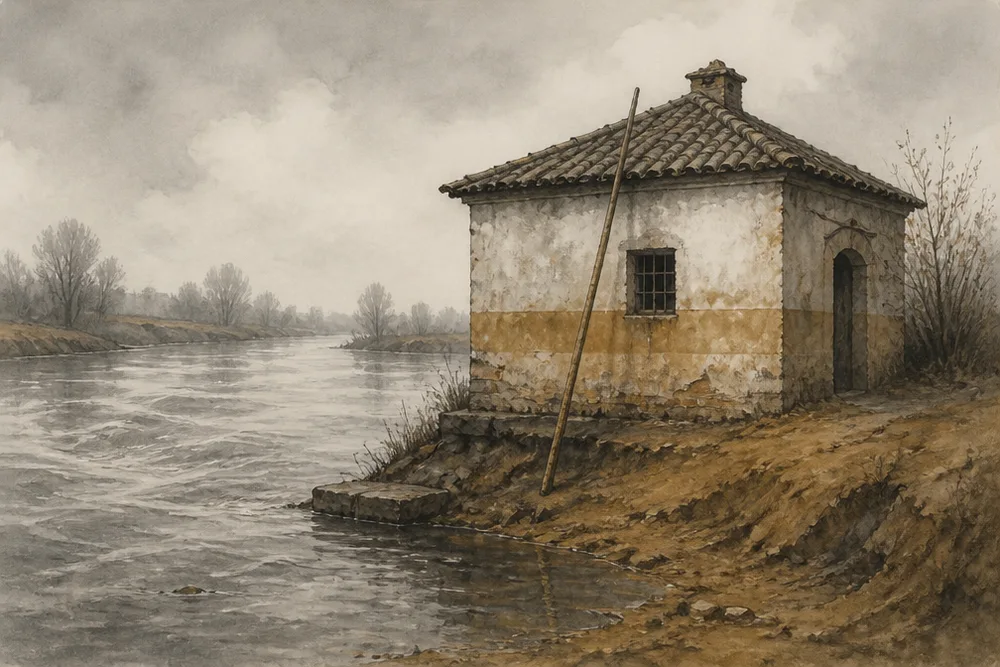
The Embankment Gets a Vote
At dawn in a small Po Valley town in 1784, the tollhouse still stands, but the river has left its old course. Serafina Alberti needs one more season of fares to buy the ferry she’s worked since childhood.
-
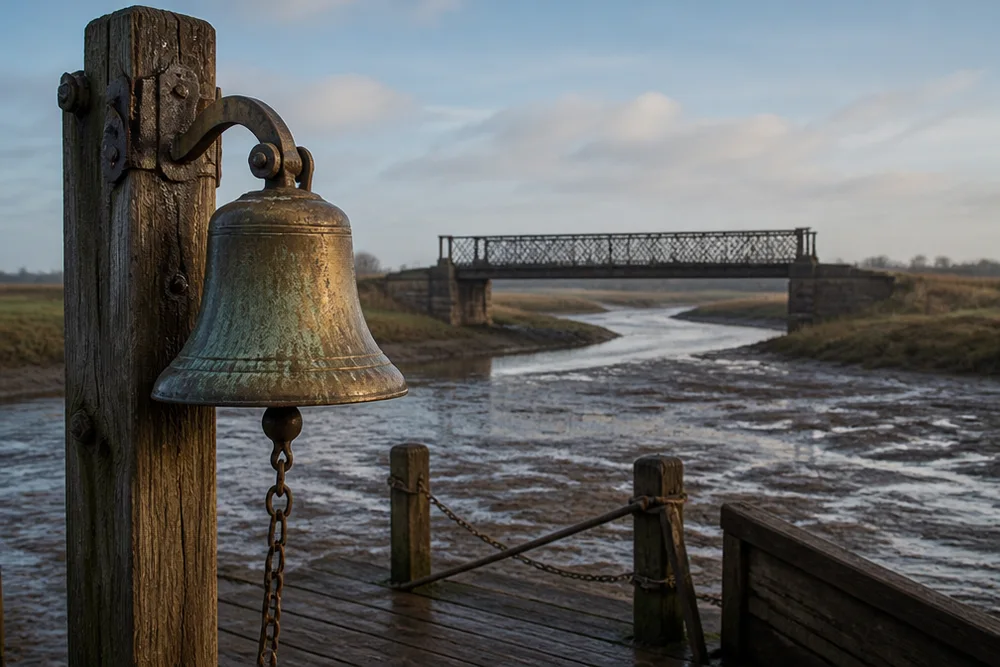
A Raised Lantern in the Ledger
By breakfast, the town bell had rung for a ferry that would never sail again. In 1886, on a low stretch of the Lincolnshire coast, ferry clerk Xanthe Goulson has six days to secure the crew’s promised pension before the new bridge opens.
-
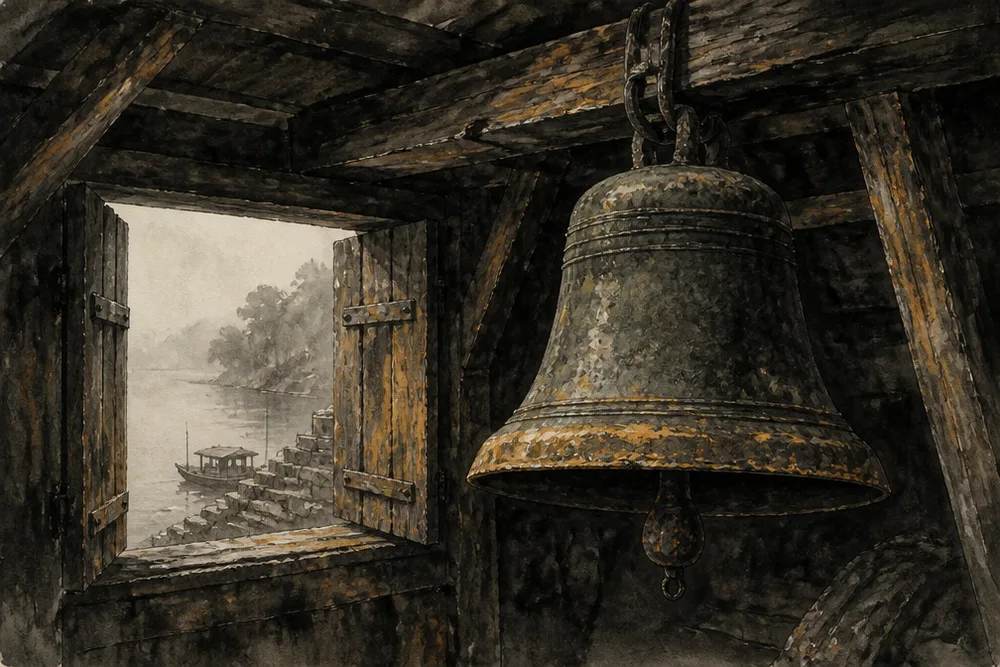
The Railway Clock and the Knock of an Oar
In 1887, Salt Wick tells time by a ferry bell the fog often hides. Lucy Rookwood wants the paid bellkeeper’s post so she can stop taking in laundry.
-
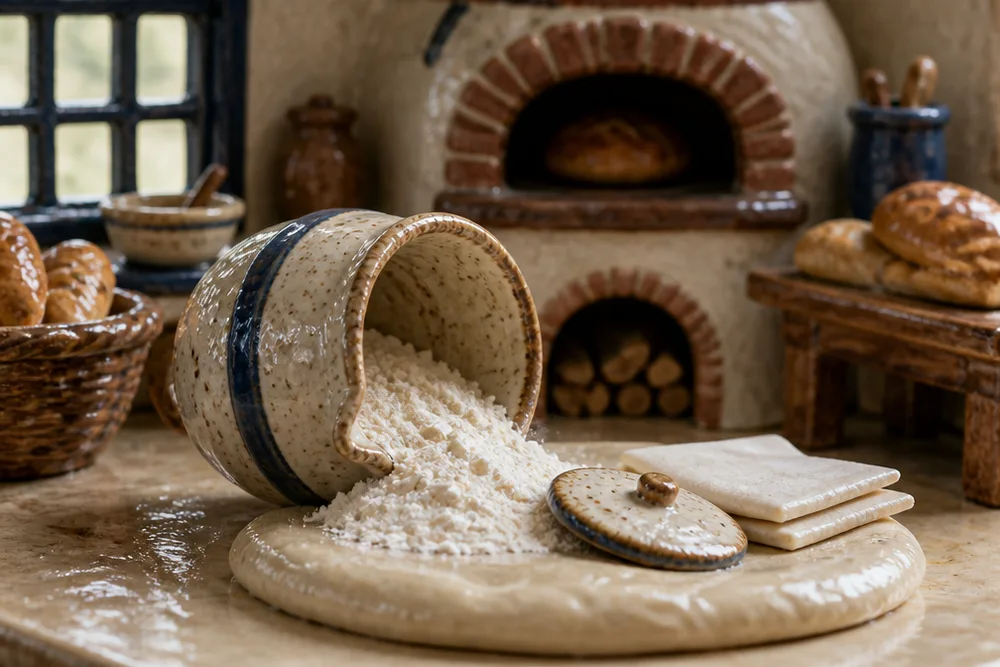
The Names Beneath the Dough
On an ordinary morning in 1894, Rosa Amadei gives her flour measure its usual two taps against the bakery table. This time the bottom drops out, and a bundle of slips falls into her dough.
-

The Bell Between Two Pages
On the first dry Monday of 1884, Daria Cendron carries a rolled mattress into the town hall of a lagoon village near Venice. Once the council confirms her appointment, she can move into the caretaker’s room at the new school.
-
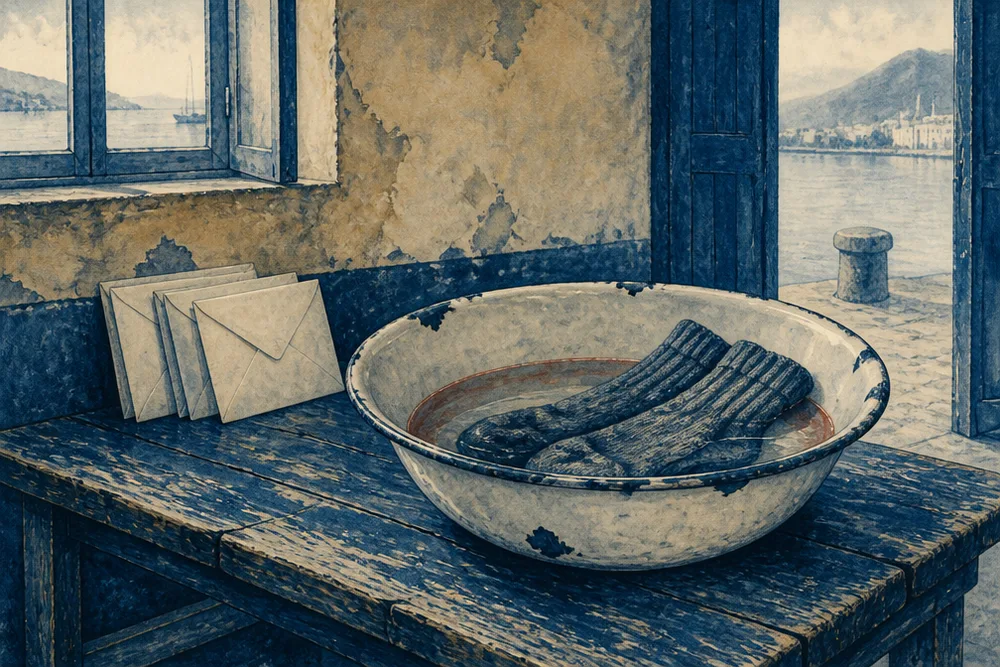
Dry Socks and Wage Notices
A dry pair of socks is the first thing Xenia Wassich hangs in the flooded town’s borrowed laundry. It’s 1908, and the river still fills the cellars of a provincial Adriatic port.
-
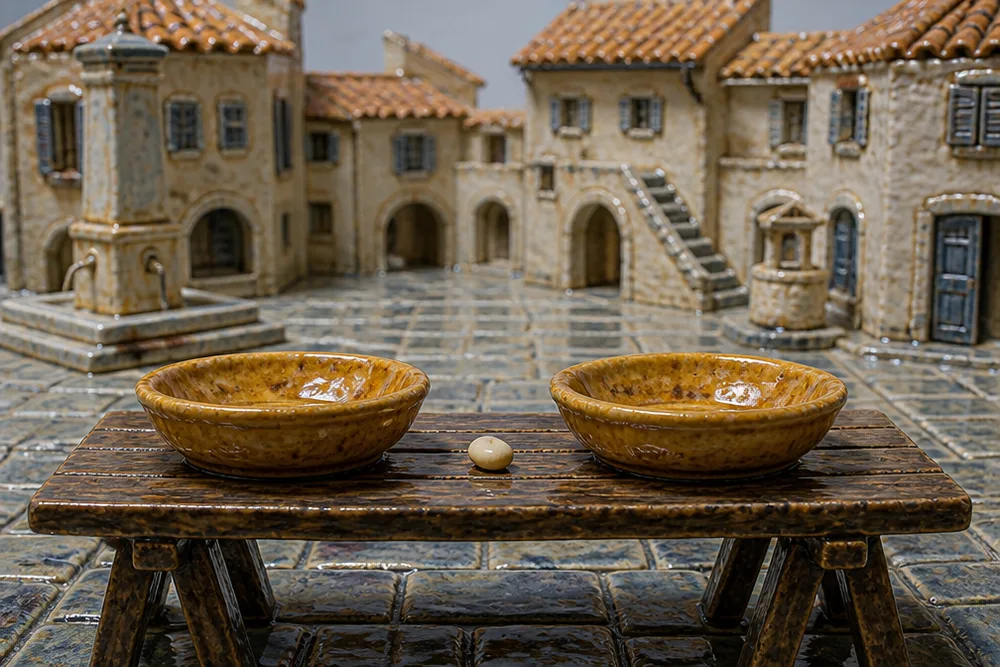
The Bowl That Spoke Twice
In 1764, a white bean drops into the lower bowl each time the clerk of Rocca Selva calls a household. In this hill town, even neighbors who cannot read can follow the count as beans pass from the upper bowl to the lower one.
-
Two Receipts for One Rescue
By noon, the borough of Alder Quay has paid for one rescue and received two receipts. In the winter of 1931, Elsie Vennick, a temporary rates clerk, is clearing the books before an audit she hopes will earn her a permanent desk.
-
Sickroom Sheets in the Sail Loft
At six each morning, the women of Bellmarsh wash the town’s linen in a shuttered sail loft that officially belongs to no one. In 1894, when a boiler failure closes the municipal washhouse, laundress Ottilie Bream rents the loft for six weeks.
-
Where the Blue Leaves End
Halfway down a length of cotton, the blue leaves end in a sheer line. It’s 1873 in the mill town of Larkett, and Keziah Ternell is meant to buy her first printing table that morning.
-
A Bridge in the Wages Clerk’s Bag
Elspeth Riach is on her way to a bookkeeping lesson when she catches the bridge keeper opening the gate for his daughter, who’s courting. In this Scottish weaving town in 1874, no sign says the footbridge shuts from the last mill bell until dawn, but everyone knows the rule.
-
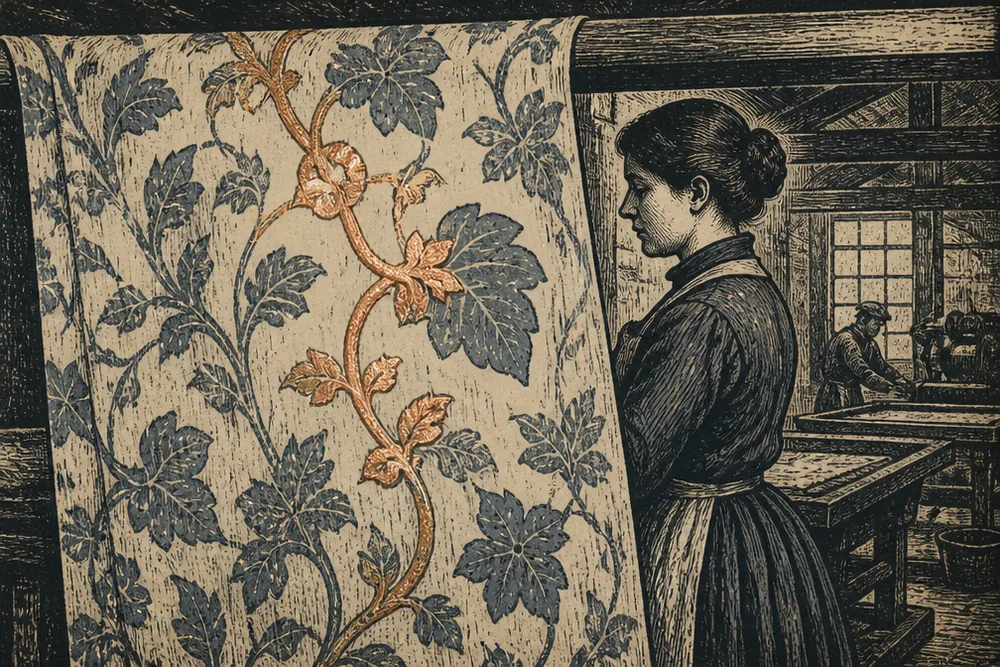
Where the Copper Vine Ends
In 1894, the copper-colored vine on a bolt from Lethwick Printworks stops halfway through a leaf. For thirty years, the vine on every bolt has curled to the left.
-

A Favor in Blue Ink
In the Baltic port of Kesselwiek in 1893, Frieda Marlridge is saving every spare coin from copying invoices to buy a used printing press. When a man in a fine coat asks her to read him a rent notice, she does him the favor.
-
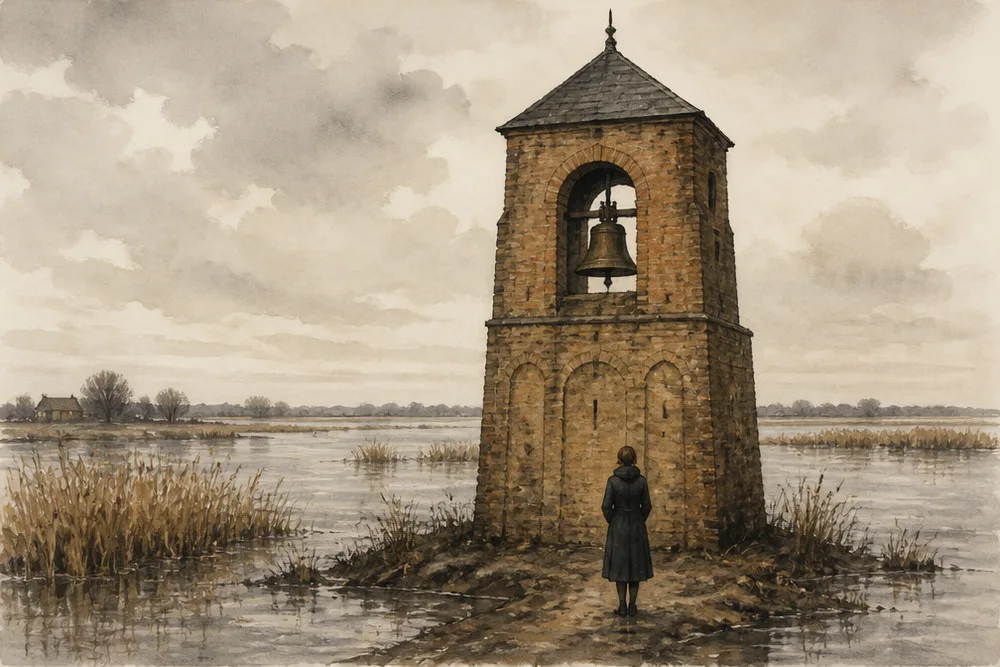
Water Board Ledgers on the Kitchen Rack
The water board’s ledgers are drying on Maaike Van der Linnhill’s kitchen rack. It’s 1874, a week after the floodwater drained from the Dutch polder village of Rietdam.
-
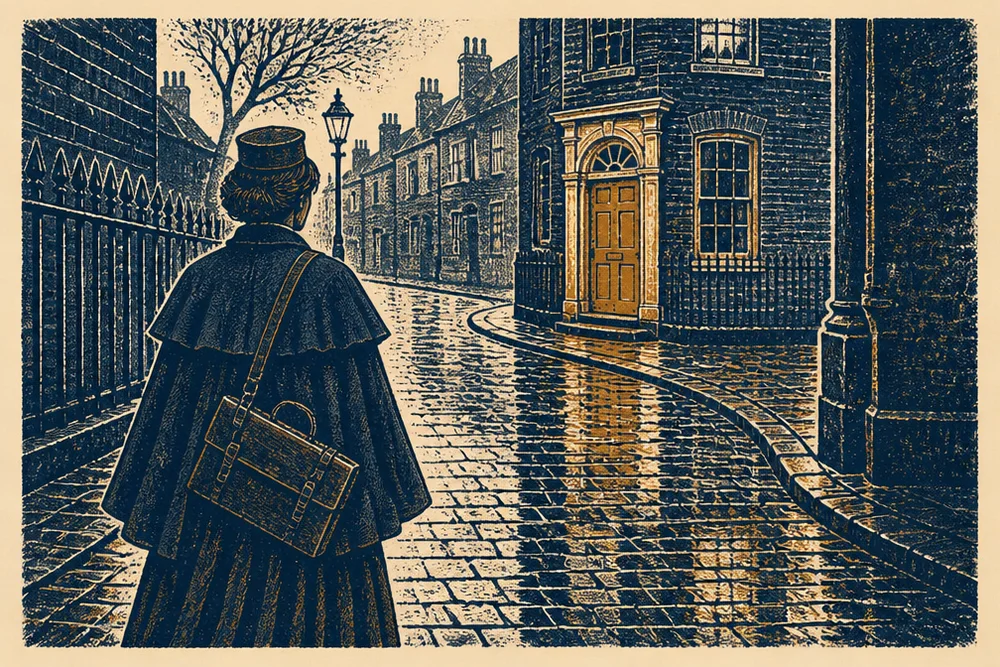
Eleven Brass Numbers in a Drainage Ditch
The tide seeps up through Bess Ransome’s kitchen floor in 1873, on the very morning the borough of Sedgewick Reach offers her an errand that might pay for a room upstairs. She need only carry a district map across the estuary to a surveyor and return with his receipt.
-
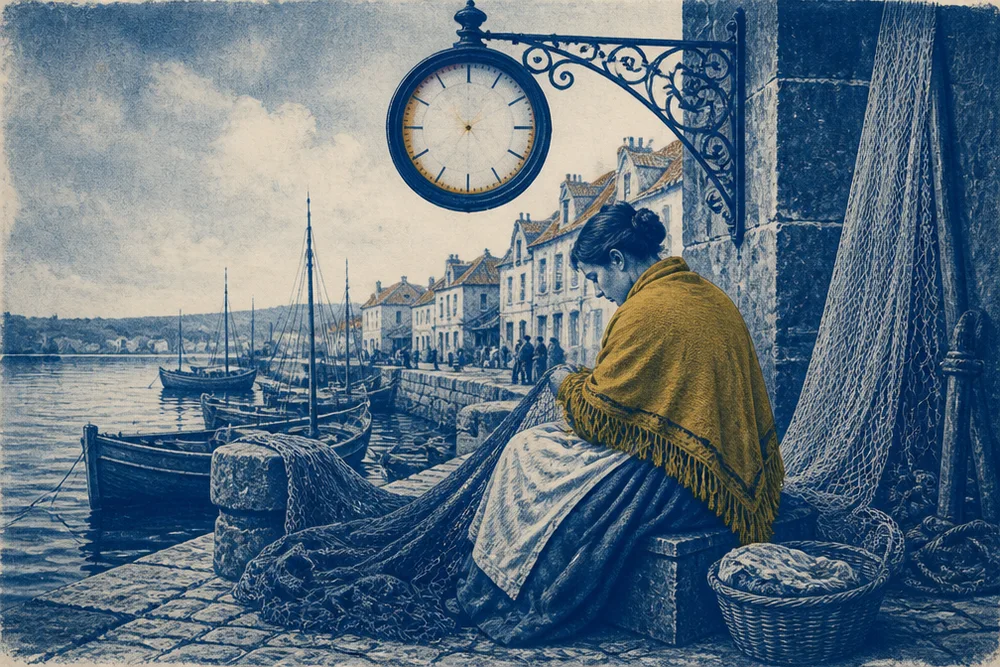
The Quay Keeps Two Clocks
In the spring of 1906, the net menders of the Portuguese port of Salavento can hear the quay bell from their benches, but they can’t see the clock. Virgínia Yewpenn wants the harbor board to pay them for the hours they spend waiting for late boats.
-
Rent Receipts for Empty Cottages
The first house Ada Sunderhart measures for demolition is her own. In 1906, a borough is buying up a Welsh valley for a reservoir, and Ada has taken a temporary surveying job to earn the deposit on a shop where she can keep her widowed mother employed.
-
Where the Mulberries Stop
In 1909, on the morning Valdombra’s new mill owner is due to inspect his purchase, Erminia Balducci sees the little row of mulberries end halfway across the curtain cloth. For twenty-three years, the same pattern has run across every yard the mill has woven.
-
The Names Beneath the Starch
The same twelve overseers’ collars come to Yarrow Atkinson for starching every Monday. In 1874, in the Yorkshire mill town of Calderwick, she is three shillings short of the deposit on a laundry of her own.
-
The Price of a Dry Floor
The first thing Phoebe Hollinworth sets on the new pine floor is a bucket. It’s 1893 in the tidal mill town of Bracken Reach, and she has until Saturday to convince the borough surveyor that the old sail loft is dry enough for her laundry.
-
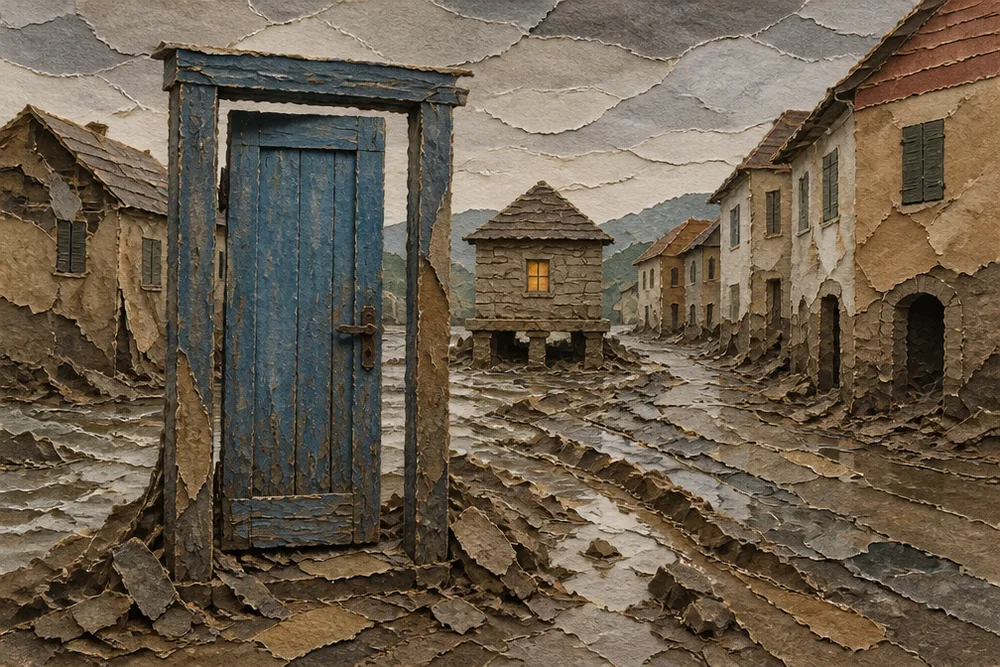
The Winter of Borrowed Doors
After the flood of 1846, front doors still stand in the Upper Rhine village of Dornried, though the houses around them are gone. Joiner Susanna Ketterer needs to reopen her workshop before the first frost and bring in enough work to keep her apprentice, Zacharias Celandineness.
-
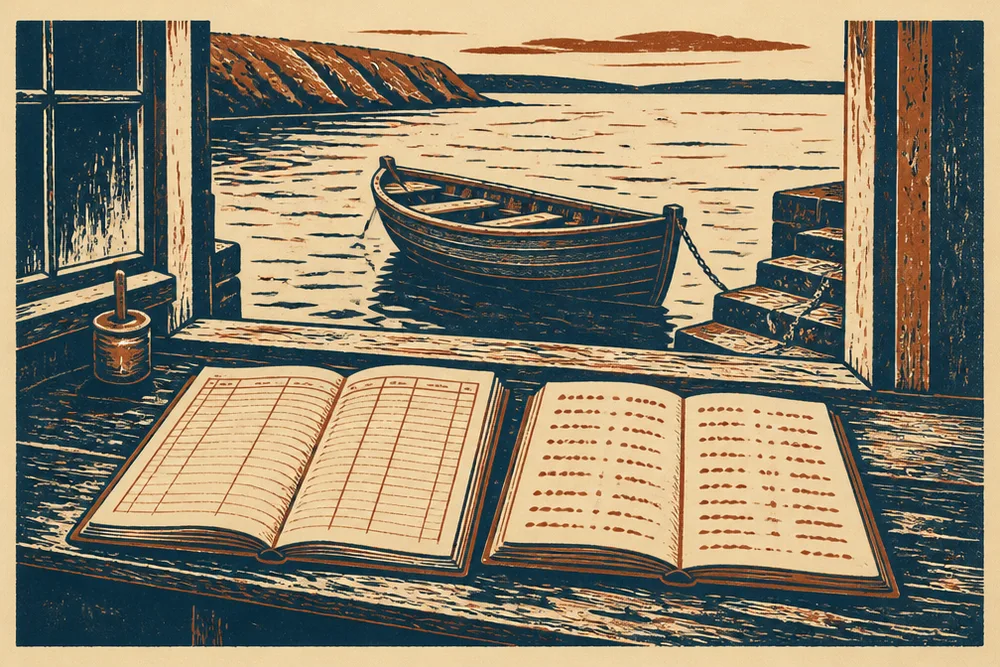
Twelve Rowers in the Fare Column
At six each morning in a small Cornish harbor in the winter of 1908, yesterday’s ferry passengers are already in two books. Ada Cedarvel records them by the names their neighbors use; her daughter Mabel Cedarvel copies the entries into tidy columns under their legal surnames.
-
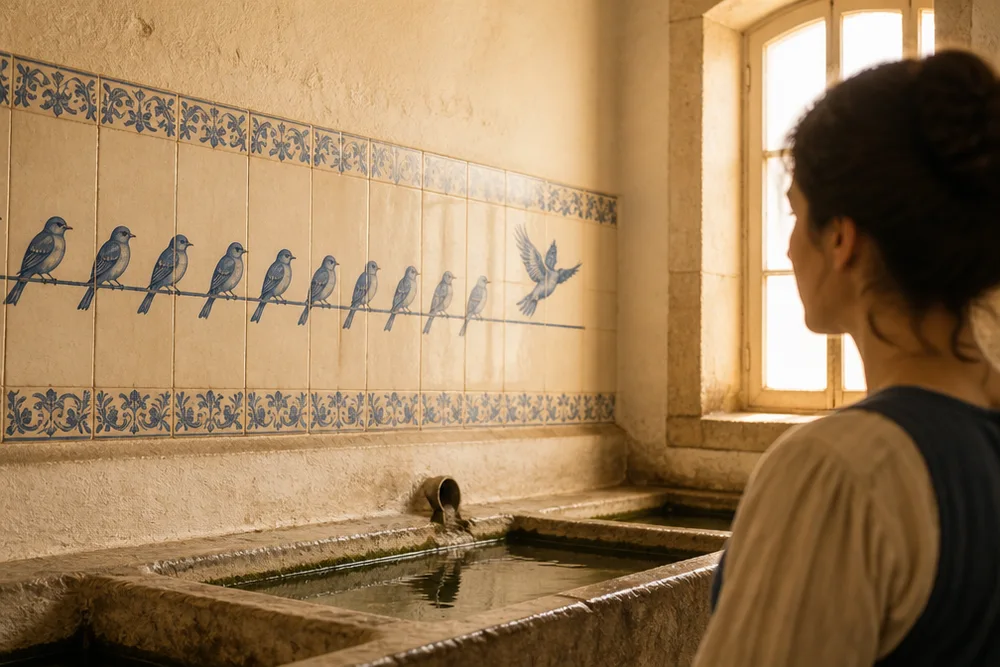
Where the Blue Birds End
Every blue bird on the washhouse wall turned its head as planned, except the one on the last tile. That bird was flying away.
-
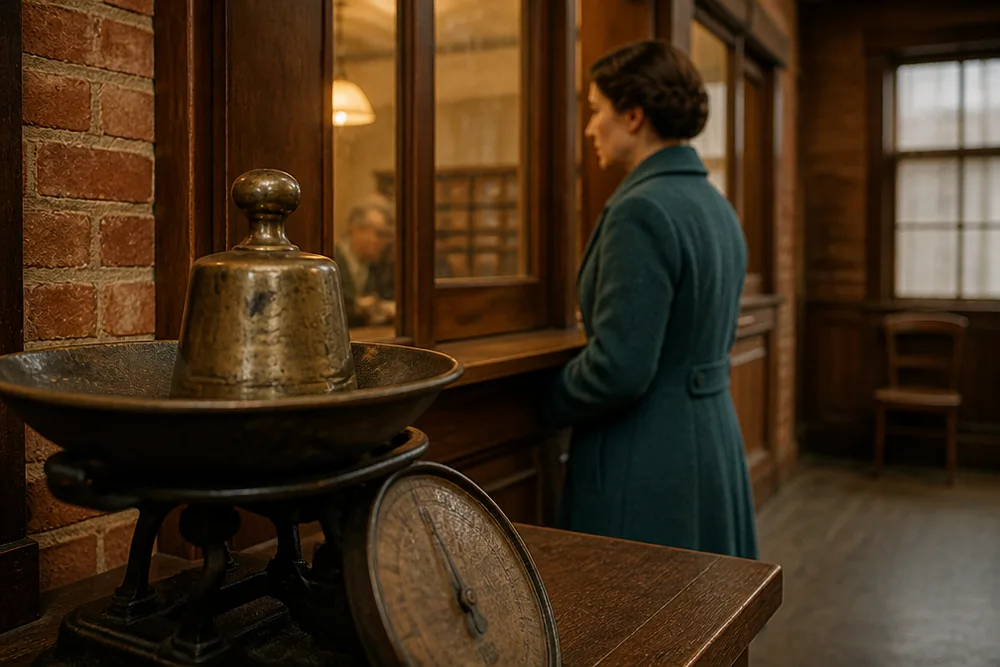
The Bell Rang on Tuesday
For eleven years, the town bell has rested on a flour scale.
-
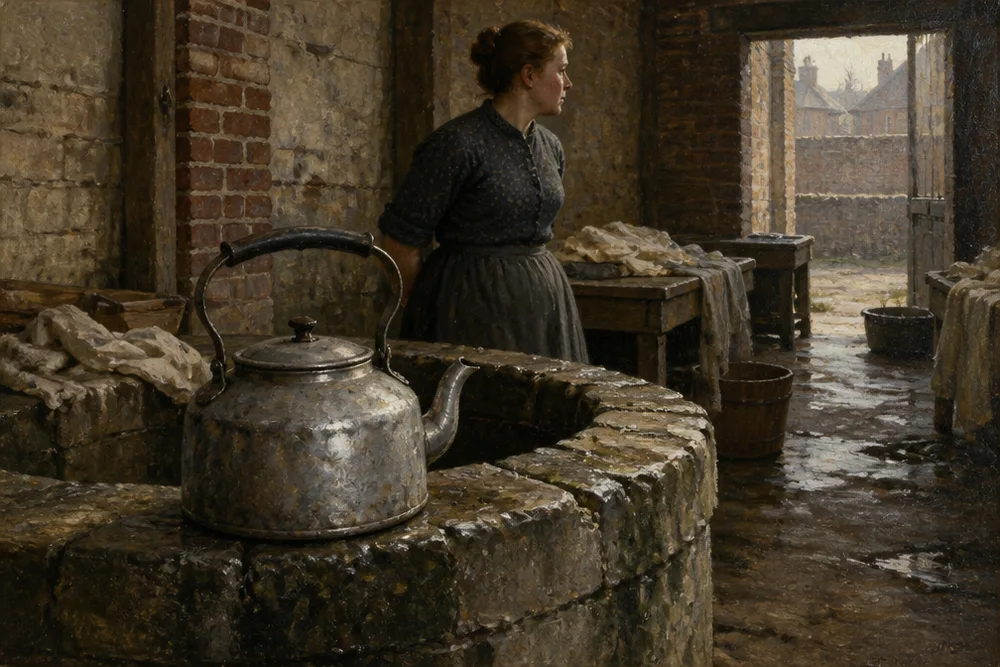
The Well Behind Our Door
The first customer at Phoebe Entwistle’s washhouse brings an empty kettle on the morning Phoebe means to sell the place. It’s 1894 in a Lancashire mill village, and the public pump has run dry.
-
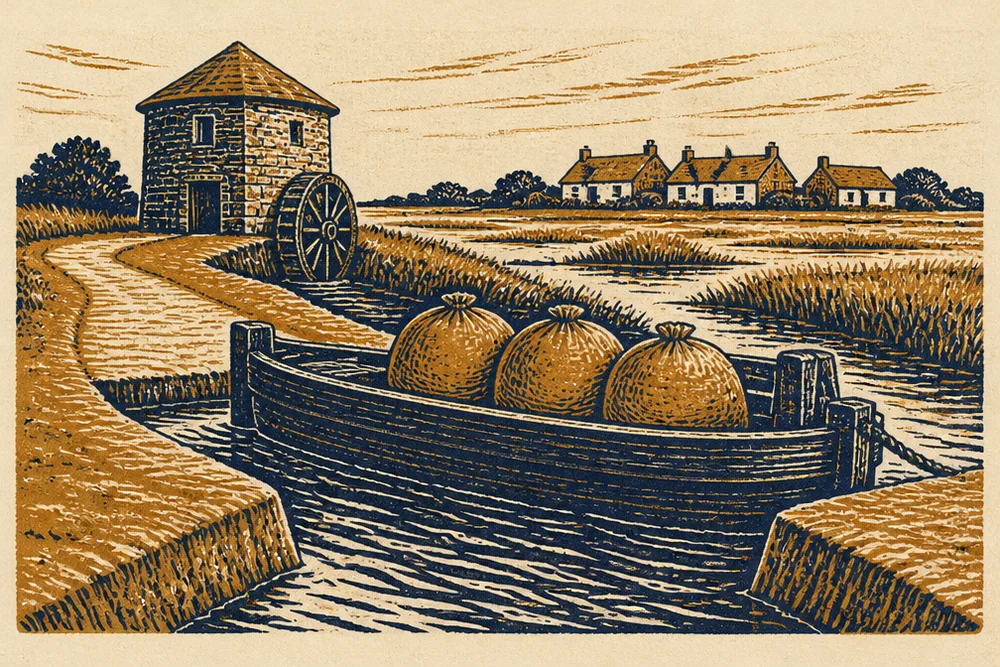
A Grain Barge for a Broken Lane
The millpond smells of apples at low water, but Dinah Durnell has no time to linger. In her Somerset village in 1816, she has three days to grind the last of the autumn wheat and earn enough to renew her lease on the tide mill.
-

A Lantern for No Passage
Keziah Macey means to buy a share in the ferry, not ask for bread. But when she arrives in a Somerset tidal village in 1872, fog is closing over the landing.
-
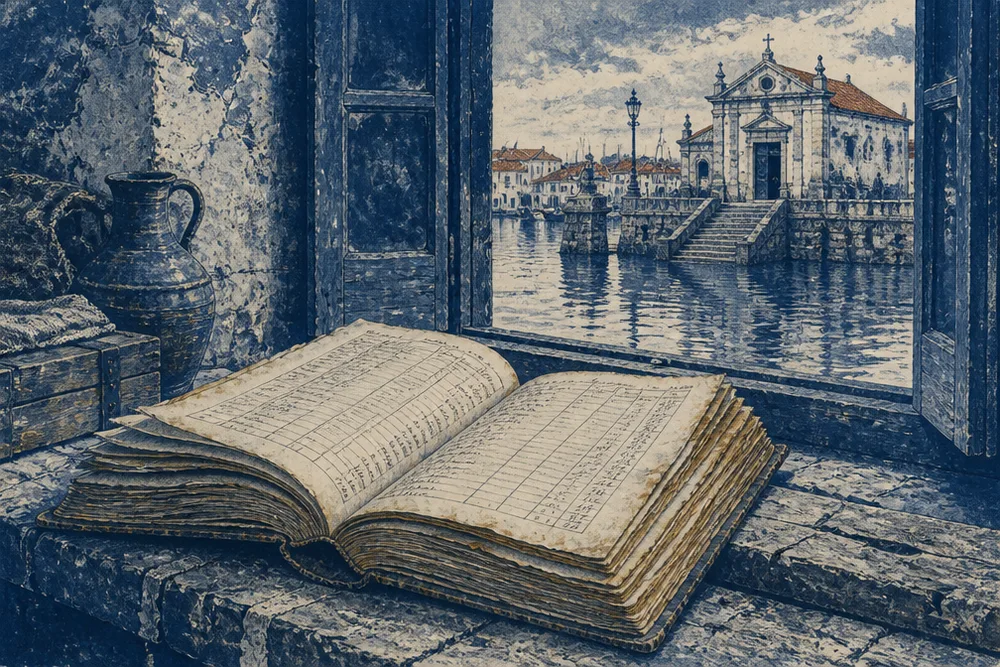
Kitchen Tins and a Lease Uphill
By the time the tide reaches the chapel steps, the customs loft is the only dry room in town. In 1873, as a Portuguese port buys up its flooded quay, Violante Oakenford brings her rent receipt to the loft, hoping for enough compensation to reopen her laundry uphill.
-
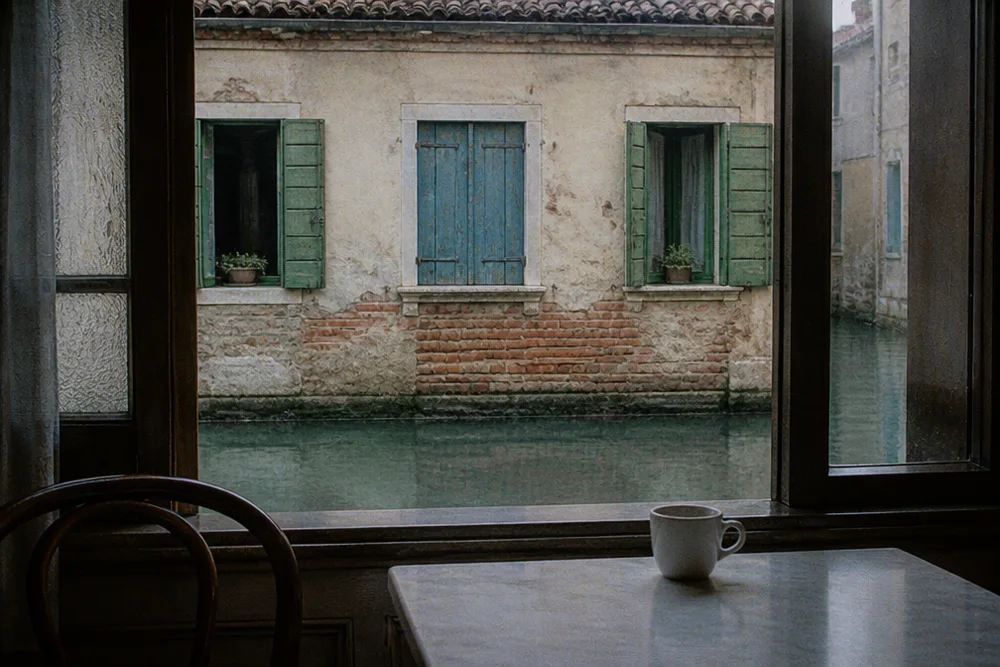
The Shutters Miss a Morning
Renata Knapken knows when to put on the first pot of coffee without looking at a clock. Across the canal, the shutters open in order—green, blue, green—and the mill’s early shift will soon be in.
-
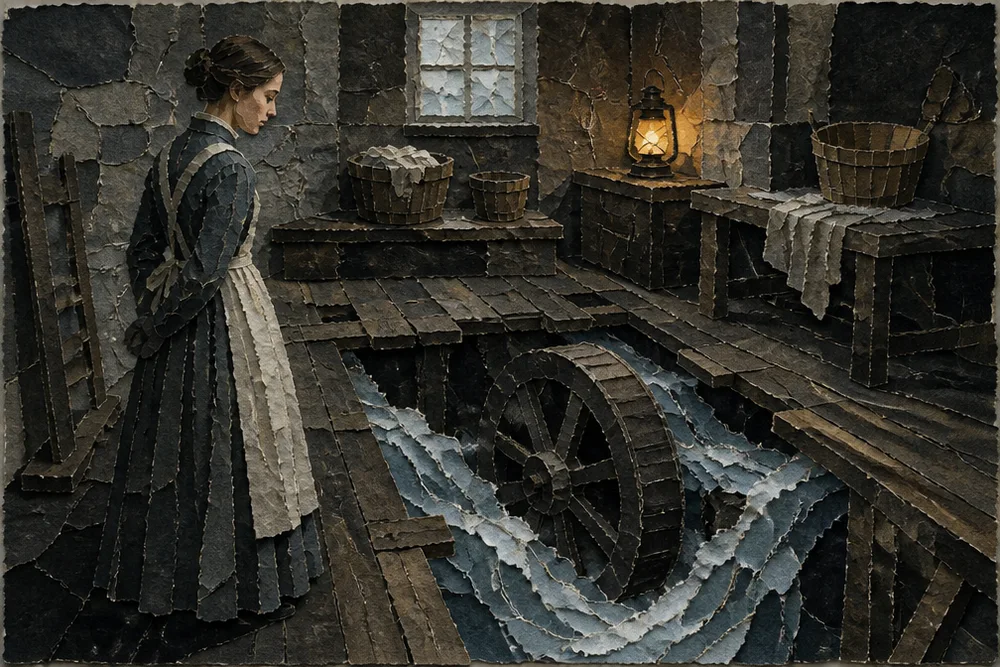
The Wheel Beneath the Washhouse
In the summer of 1872, the floor of a disused washhouse in Brackenclough, a fictional Yorkshire mill town, is warm enough by dawn to soften the soles of Jane Saltwill’s boots. Jane means to buy the building and open a laundry of her own.
-
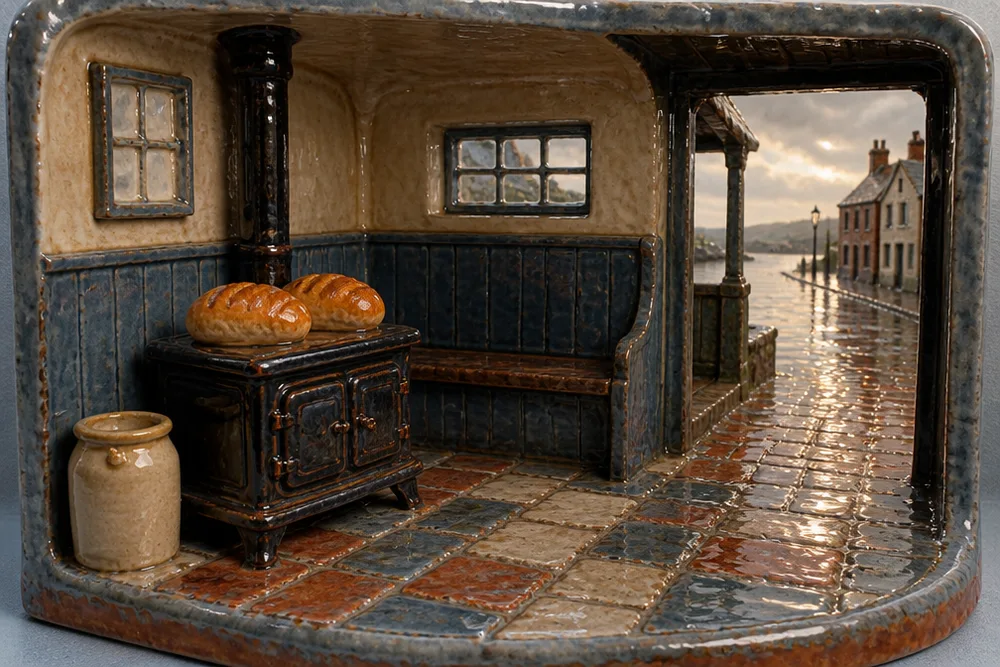
One Stove Until the Thaw
When a dike breach floods a Dutch river village in the winter of 1894, Kaatje van Driel saves a jar of sourdough starter before anything else in her bakery. Ferry keeper Teunis Embermarsh clears his waiting room so she can bake on its iron stove until the roads dry.
-
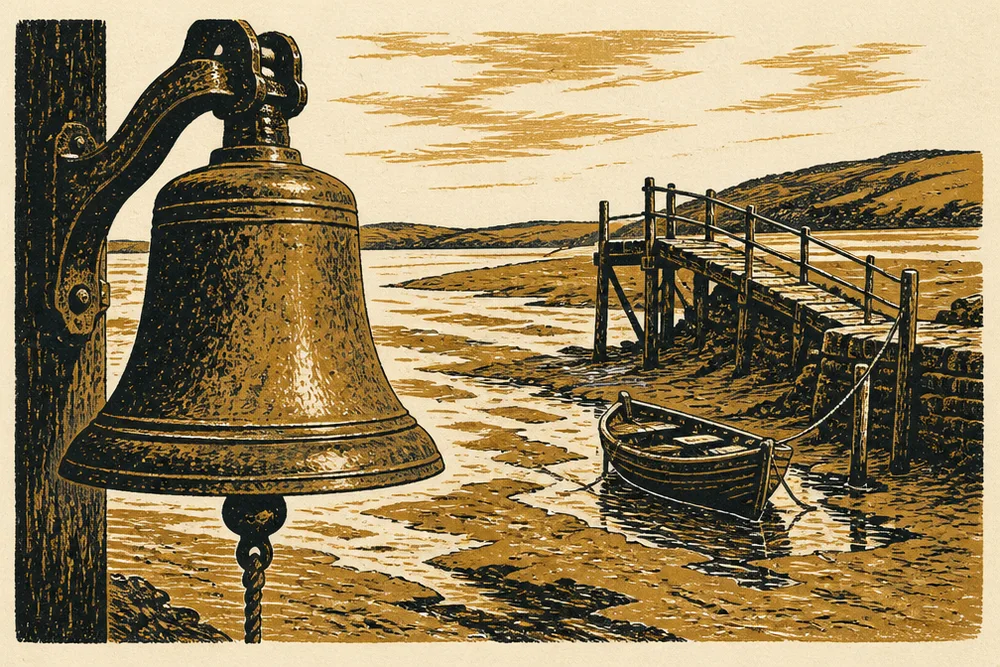
Signatures for a Rotten Landing
In 1878, nobody in the North Sea village of Saltwick admits to ringing the ferry bell after dark, though fishwives ring it when the auction runs late and the doctor rings it when a child takes fever. Ferrywoman Isabel Ruskgrove answers every call.
-

Empty Envelopes for Numbered Doors
Flora Tregenza buys her first pair of boots with money she earned herself, hoping she’ll never have to wear them in the saltworks. It’s 1887, and the pans at Brindle Quay are about to close.
-
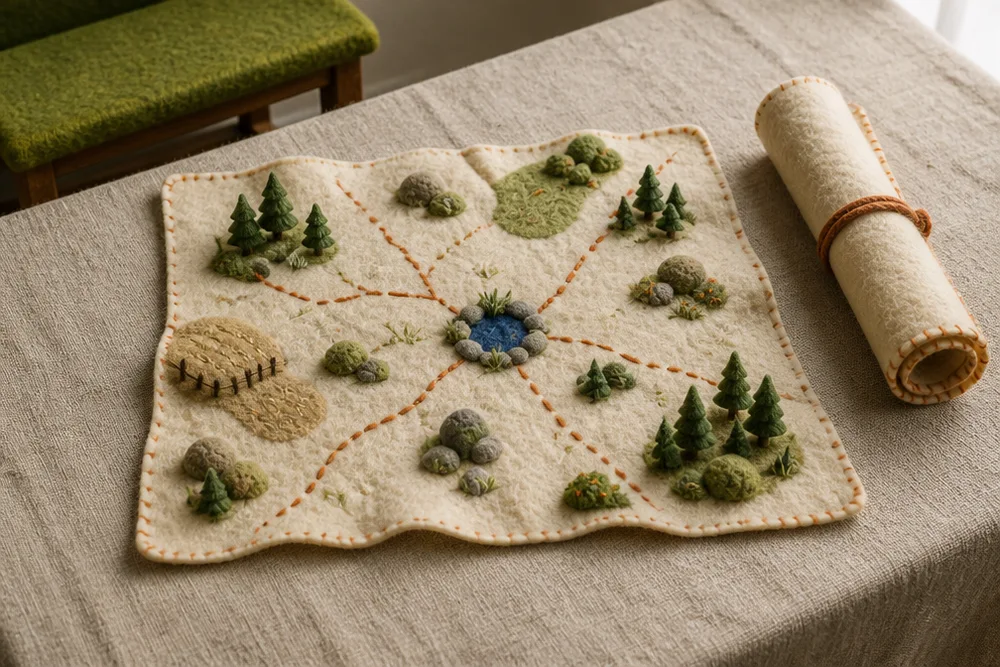
The Common Beneath the Ink
On the morning of her father’s burial, Catherine Swithenbank sets a kettle on for the neighbors and locks his unfinished survey in the flour chest. She promised him no one would see it.
-
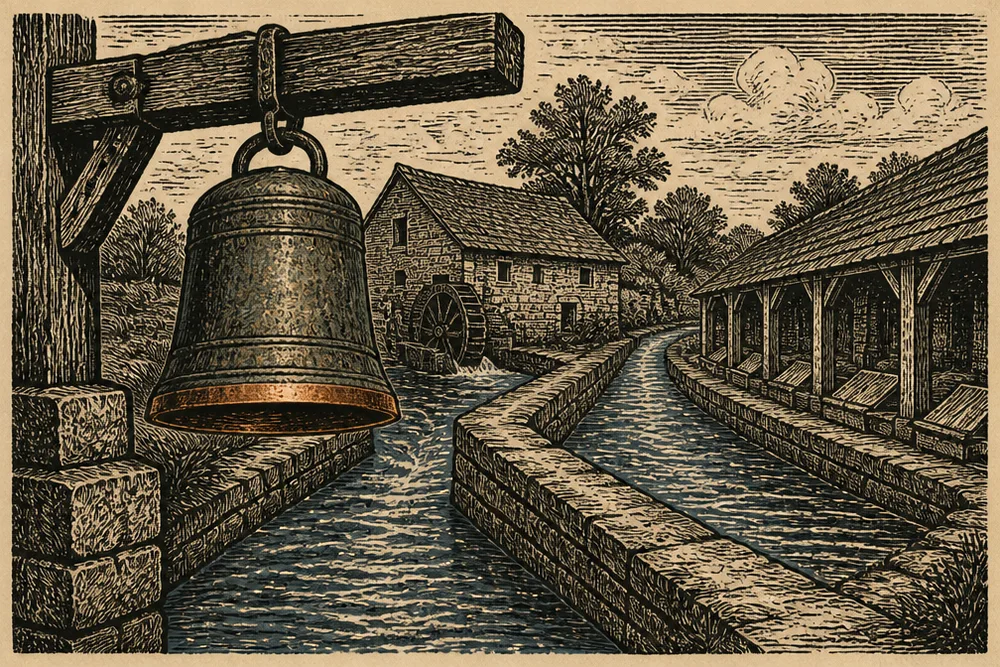
Dry Millstones, Unopened Sacks
At the first bell, Xaveria Torri’s millstones are still dry. It’s 1886 in the foothill town of Valnera, and Xaveria has until harvest to prove she can run her late mother’s mill before her uncle sells it.
-
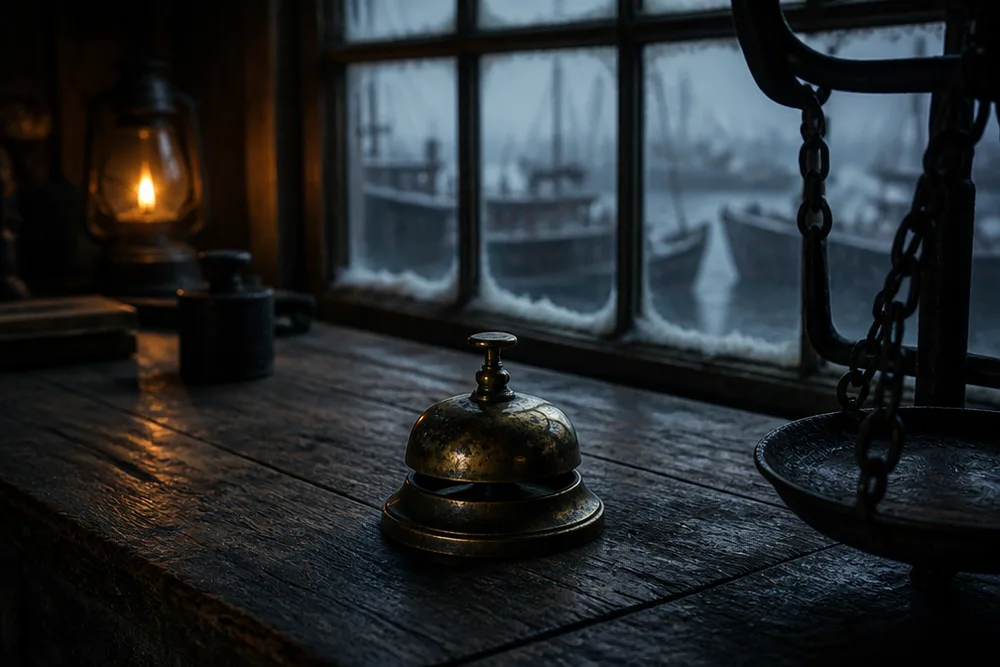
Weigh the Coal Against the Bakehouse
A doorbell is worth a sack of coal in the salt town of Veyr. In the winter of 1874, once ice closes the harbor, people bring their bells to the weighhouse to claim fuel.
-
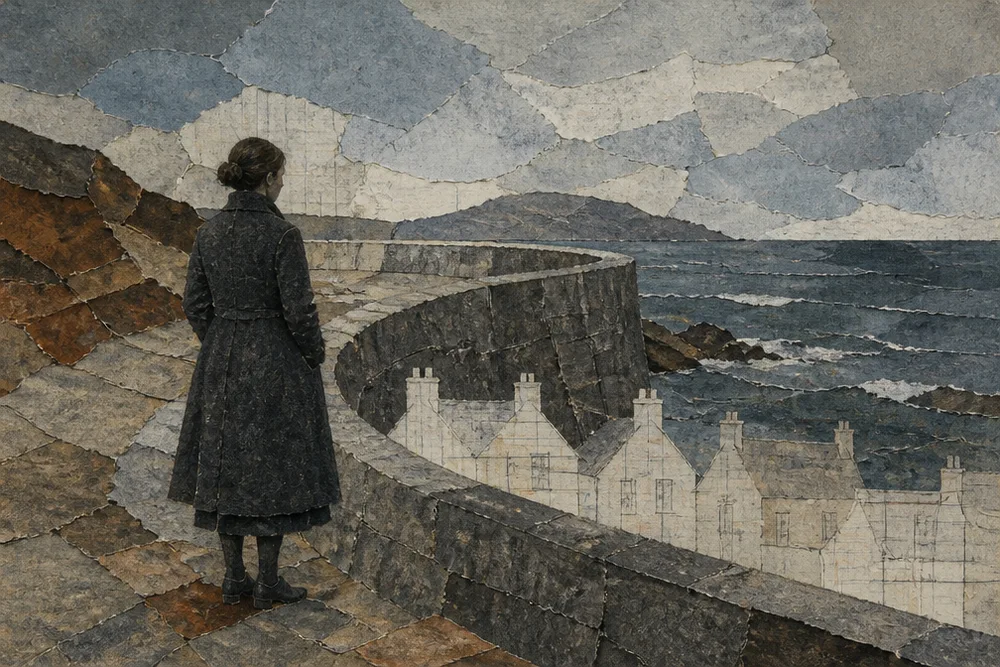
A Street Beneath the Sea
On the harbor board’s map, Wenna Jory’s mother’s kitchen is already open water. It’s 1894, and in three days the new seawall will close around the Cornish port of Penmerrin.
-
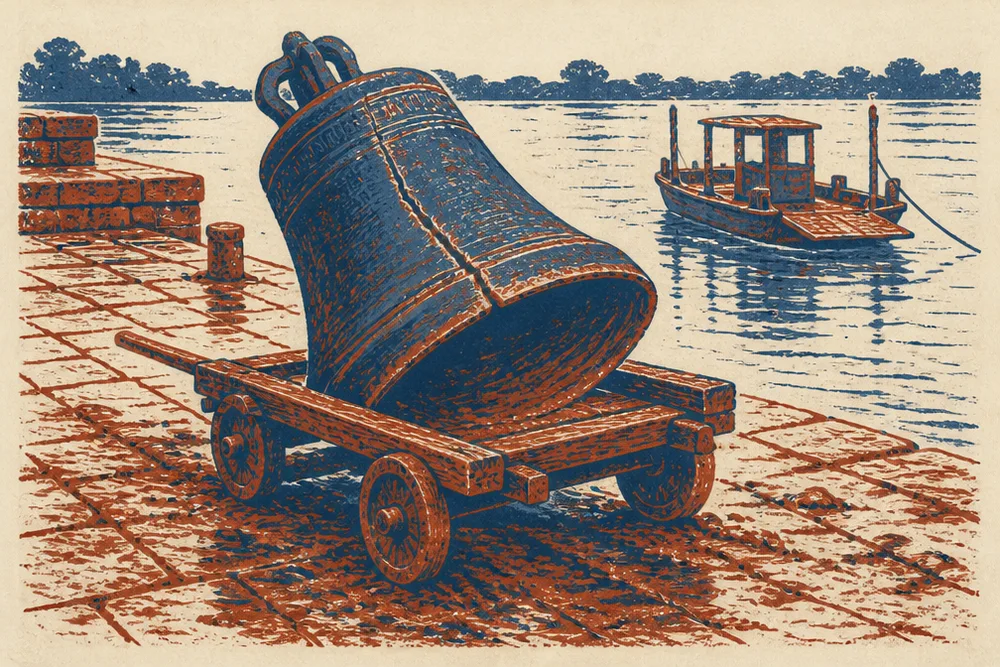
Fifty Years on a Rope, One Day at Auction
Betsy Sorrelroe reckons the cracked bronze bell might fetch enough for a share in the ferry. In 1878, dredgers at a Somerset river port haul it up after a flood; it spent fifty years as a mooring weight.
-
The Houses Under the Fold
By the time running water comes to the Tuscan hill town of Valdombra in 1908, Nerina Jacopini hopes to have secured the paid job of tending the new public washhouse. She already washes half the town’s linen in a cold stream.
-
The Width of a Coffin
The lane behind the shuttered sail loft is just wide enough for two women to carry a coffin without turning sideways. In 1907, in the Portuguese river town of Santa Vela, Umbelina Furtado hopes to buy the loft and turn it into a laundry.
-
The Weight of Dry Ink
On the day Agnes Wardenhurst means to buy a bookbinder’s shop, the borough clerk brings her a rent ledger swollen to twice its width.
-
A Bell for Every Shift
The rain has let up for the first time in a fortnight, and Hester Denshaw finds six children asleep beneath the sorting tables. It is 1894 in Larkweir, an English mill town, where Hester keeps the night shift’s pay books.
-
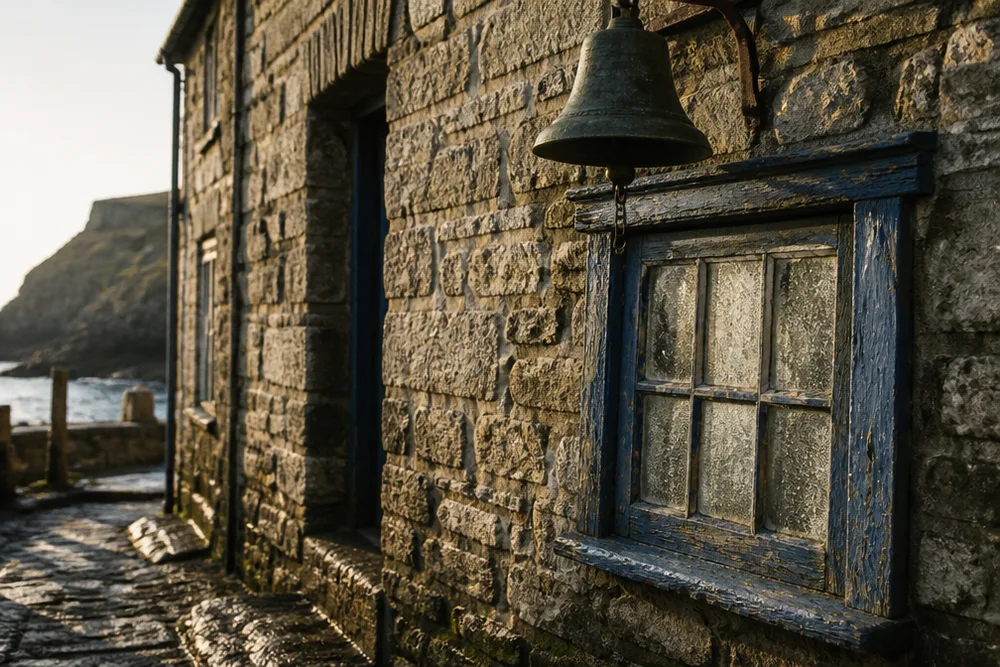
Seven Strokes Beside a Pencilled Window
Seven strokes of the harbor bell are the only sound in Tarrow Quay on the first Monday of October. In 1886, the borough council hires printer’s compositor Celia Tregenza to set the history of the ceremony in type.
-
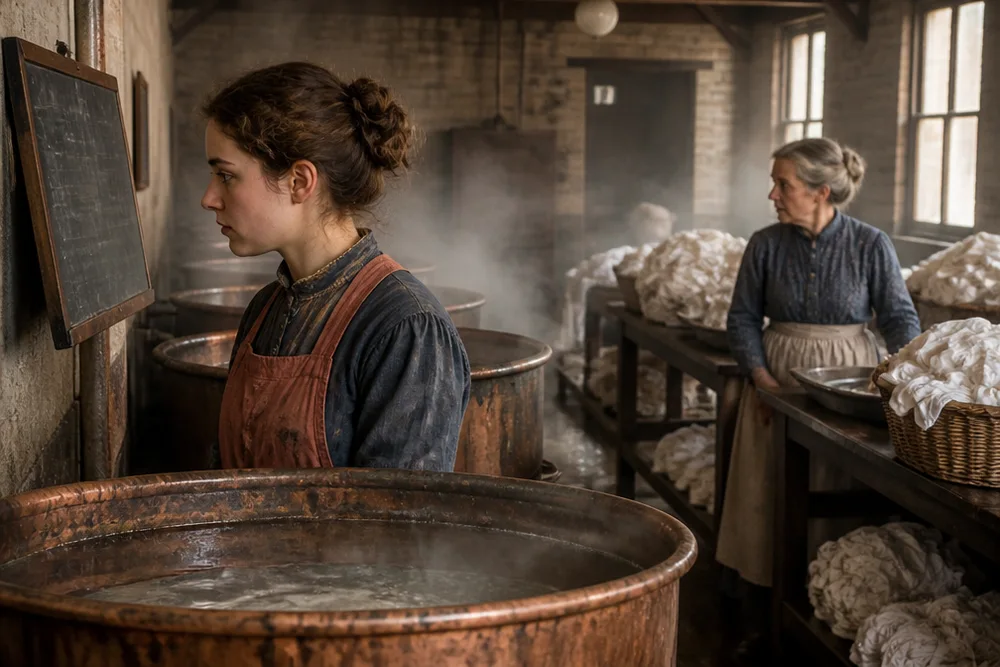
The Measure of a Morning
At the public washhouse in a Lancashire mill town in 1894, Cecily Entwistle knows whose turn comes next by the bundles tucked under the benches. Her daughter, Fanny Linnholt, keeps a slate.
-
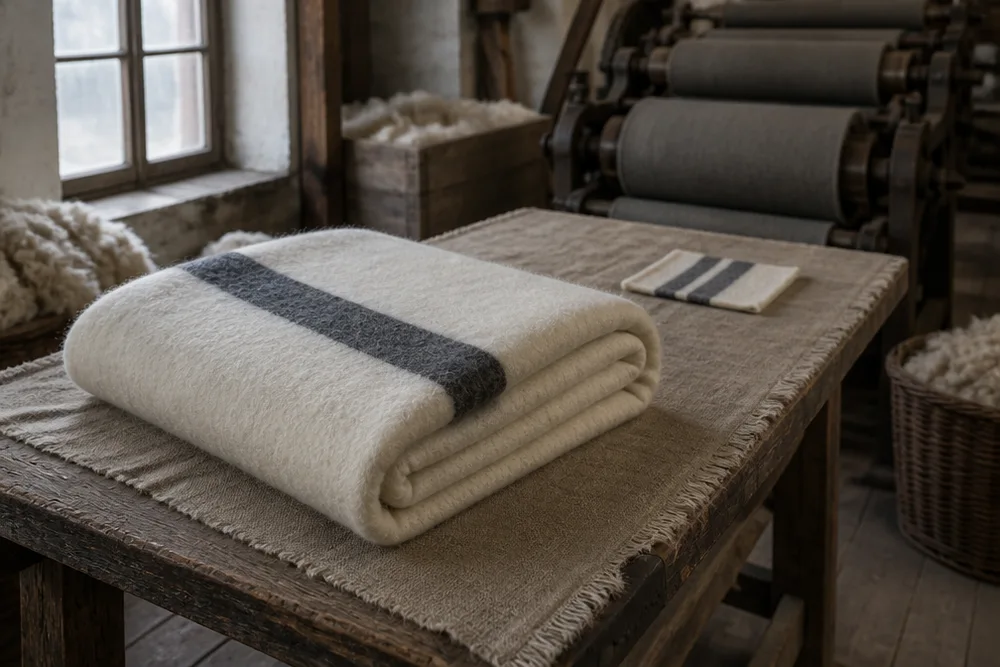
Where the Blue Stripe Ends
At the Brackenfold mill, Kit Sowerby’s first blanket finished without help reaches the inspection table one blue stripe short. For thirty years, every blanket from the mill has carried two blue stripes at either end.
-
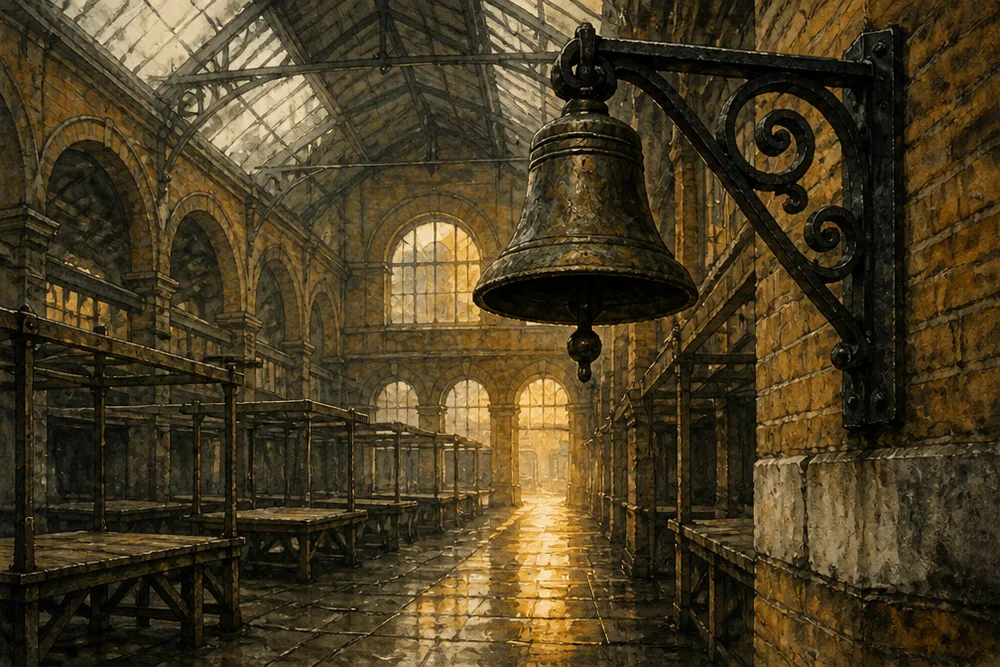
Fish Carts in a Penny Notebook
On the first Monday of October 1893, a Lincolnshire market hall’s closing bell rings before its first customer arrives. Yseult Kemp, the hall’s bookkeeper, is saving to rent a stall where she can mend boots instead of tallying other people’s takings.
-

The Minute They Left Out
By breakfast, the eclipse has ended twice. At the provincial Orrel Observatory in 1934, darkroom attendant Edith Windcombe develops a plate that shows the first sliver of returning sunlight a full minute before the official log says it appeared.
-
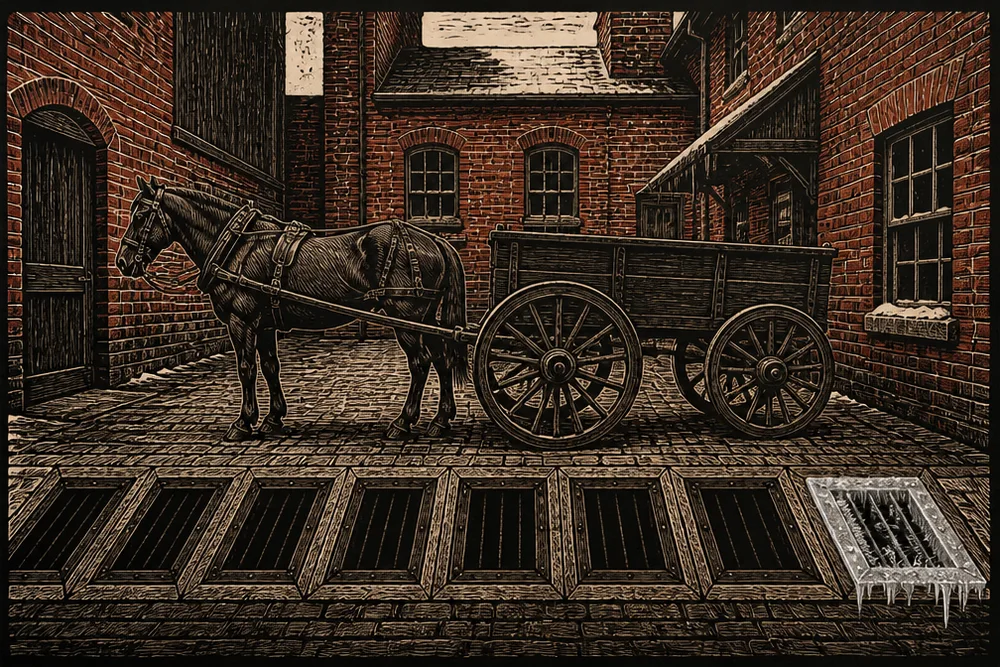
Drying Racks at the Seventh Grille
Every frosty morning, seven cellar grilles leave seven dark rectangles across the courtyard in the mill city of Brackenford. In December 1876, the seventh turns white.
-
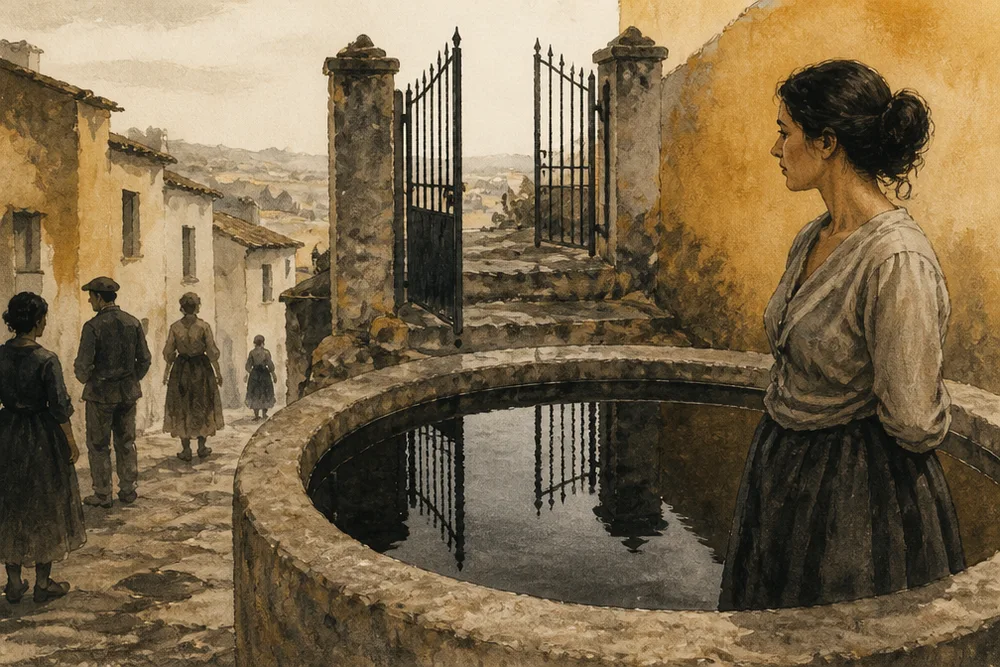
A Measure of Common Water
A laundress slips her key into the dyehouse’s back gate on the very morning Rita Juniperbridge means to sell the place. It is 1872, and in their hillside Portuguese town, piped water has yet to reach the lower lanes.
-
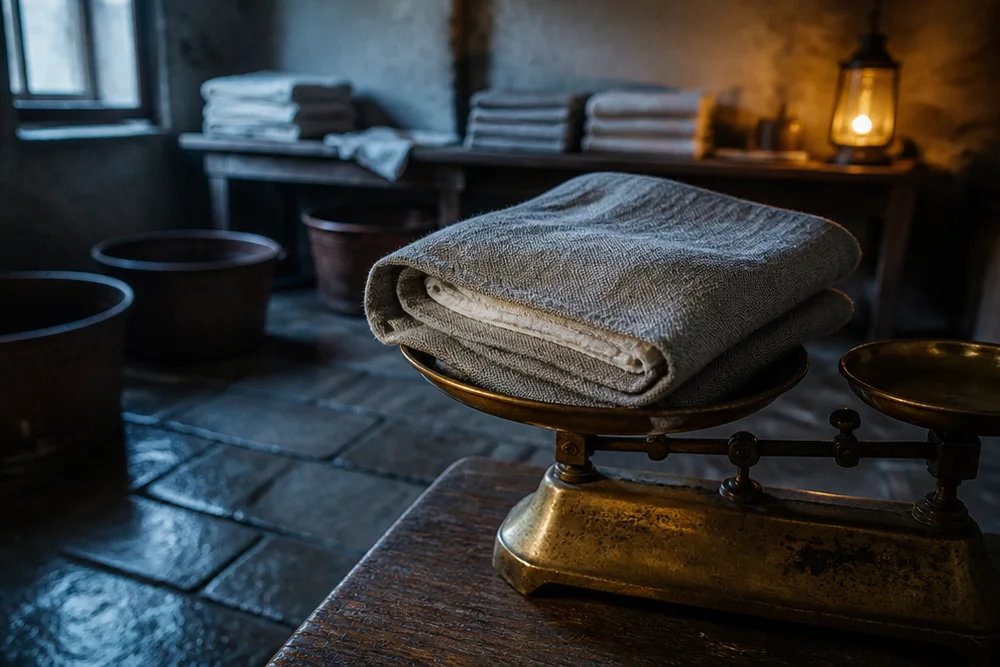
The Weight of Dry Linen
One Thursday in 1893, a newly hemmed sheet tips the municipal laundry scale in the Baltic port of Veynholm. Helene Orioledall, who weighs the town’s washing every Thursday, is one payment away from buying a secondhand mangle and taking in washing on her own.
-
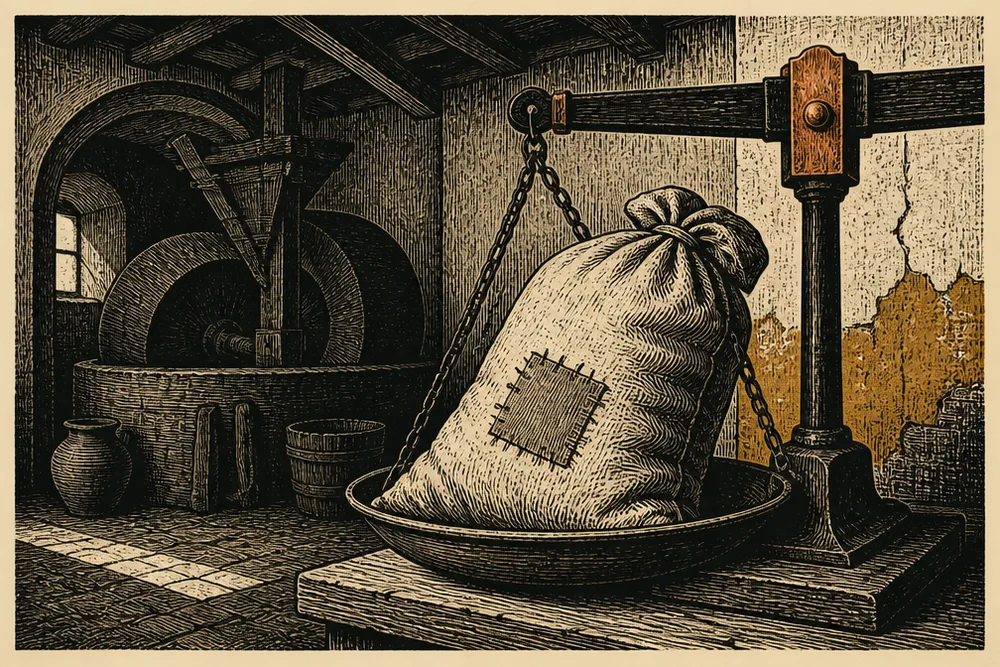
The Weight of Empty Sacks
In a Tuscan mill village in 1767, the miller says weighing an empty sack is a waste of time, and his customers let it pass. Vittoria Heathridge, a seamstress saving to rent a stall at the Saturday market, starts weighing sacks after a widow brings her one with a torn lining.
-
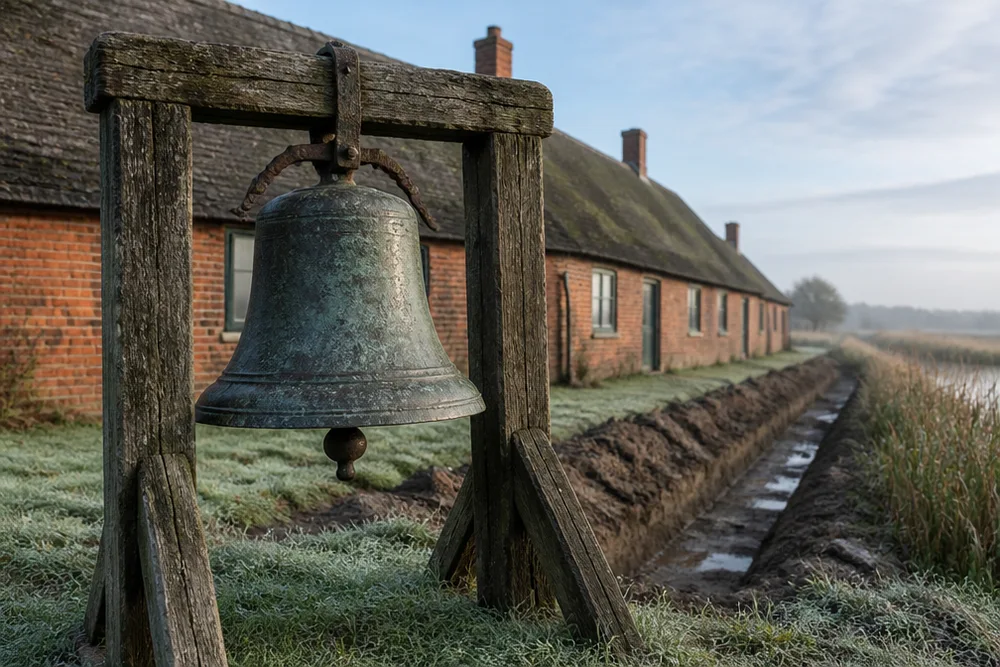
Rent Receipts for an Empty Lane
The drainage board has priced Frances Norware’s front doorstep, but its map shows nobody living down the lane. In the fictional English fen village of Wicken Reach in 1819, the board is buying cottages along an unfinished drain.
-
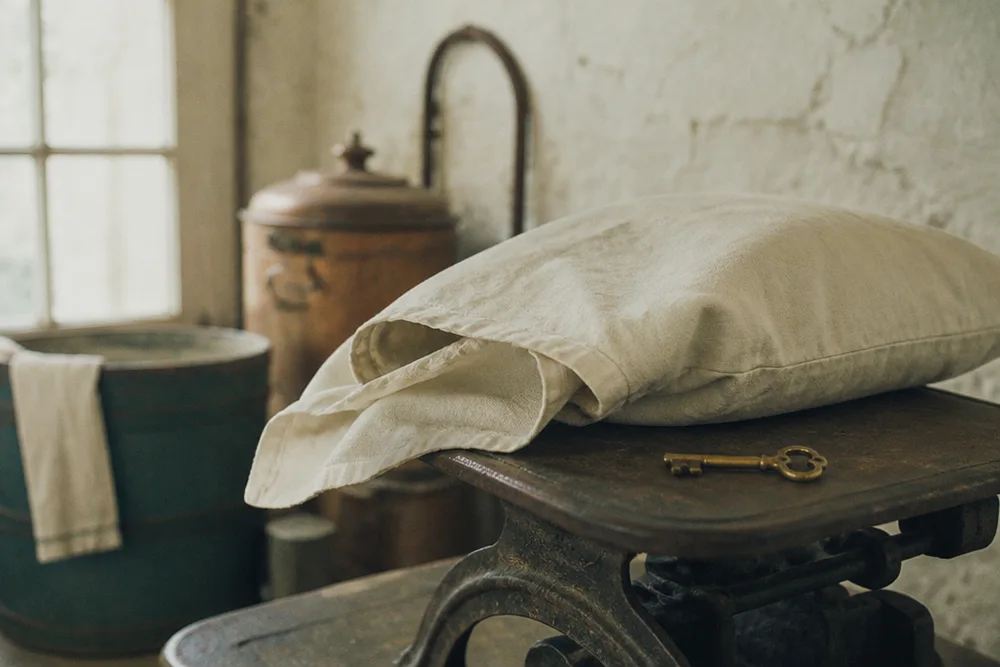
Three Crowns and a Pillowcase Key
Before the copper comes to a boil each morning, Hana Larkoven weighs the boardinghouse laundry in Vranice, a Bohemian mill town. In the spring of 1907, she is three crowns short of a train ticket to Brno, where a dressmaker has offered her a trial.
-
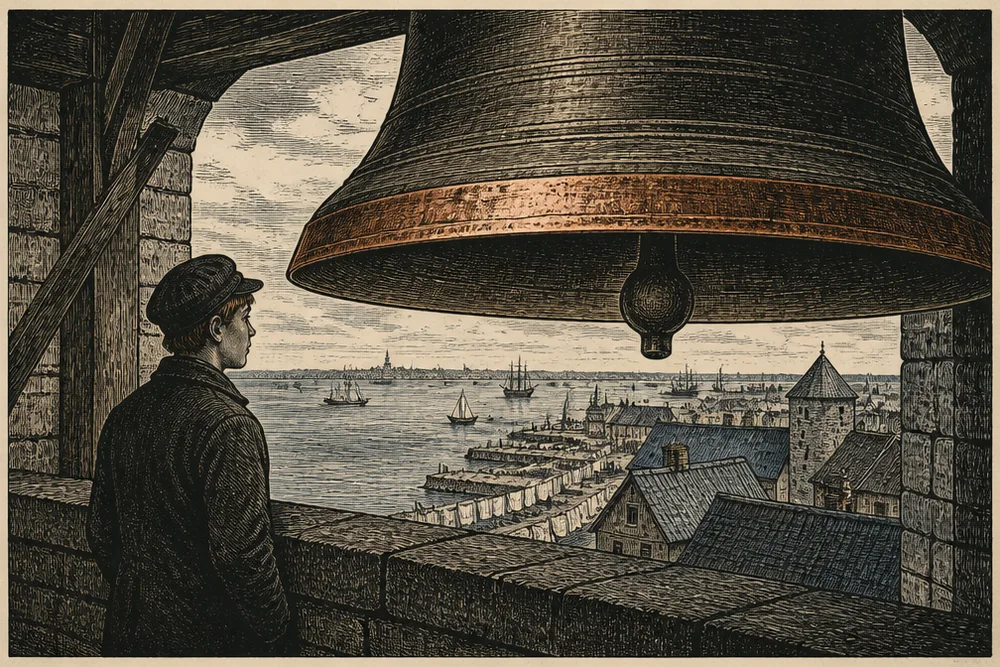
The Weight of One Bell
In 1874, six bells at noon bring the Baltic port of Veyholm to its knees. Apprentice bell keeper Oline Flaxsheaf wants the vacant tower post for its steady pay and a room warm enough for her mother.
-
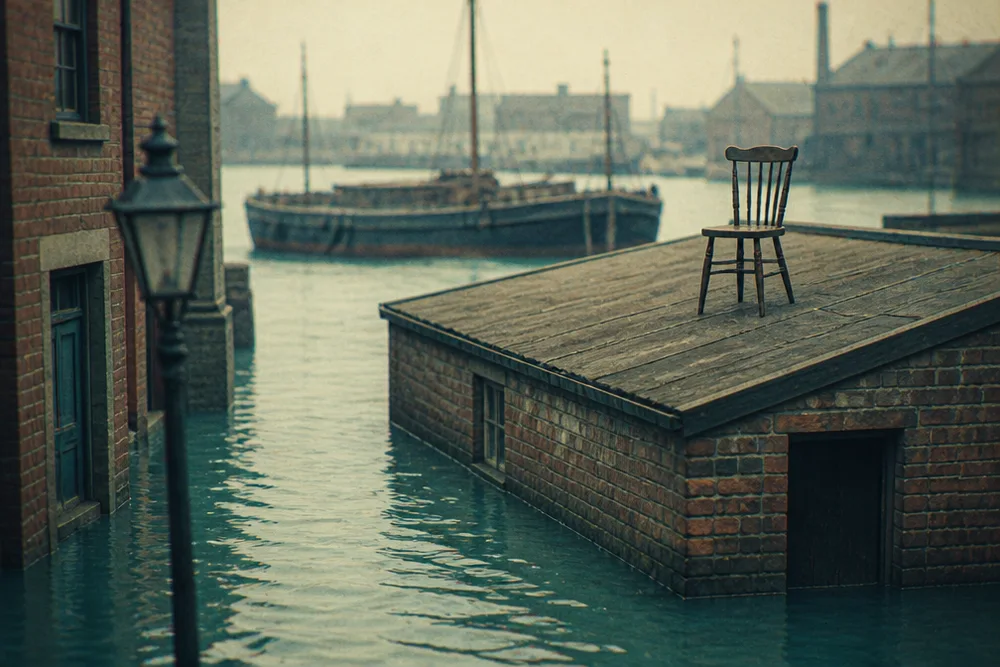
A Rooftop Chair Buys a Tow
The chair on the washhouse roof didn’t wash up there. Yewdall Grellsill carried it up herself, on the morning of the highest tide of 1908.
-
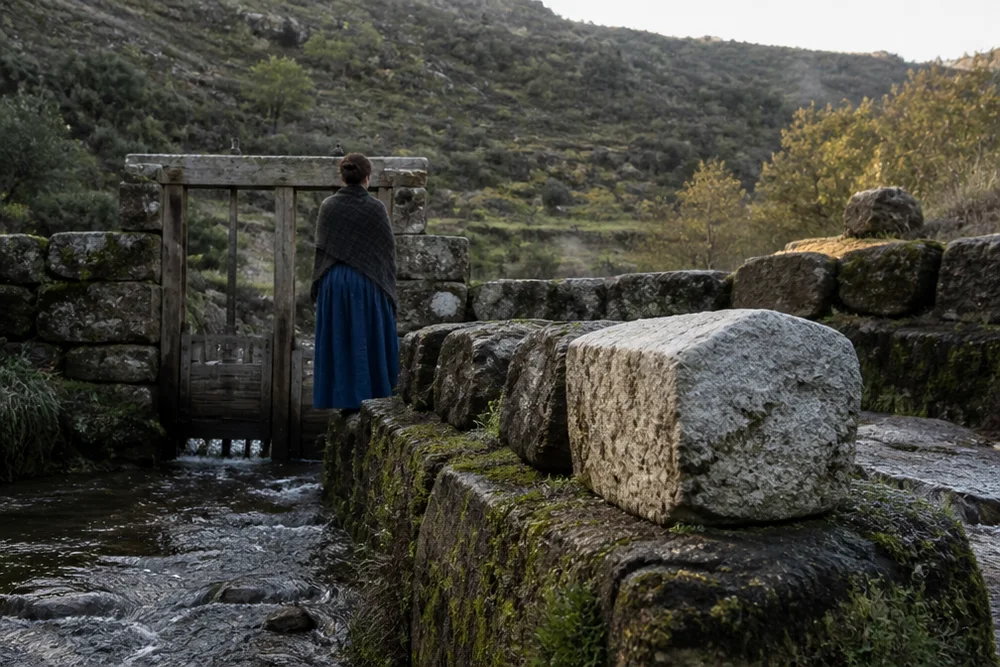
A Stone for Every Hearth
In the summer of 1874, Zélia Tawdall rents a cottage with a cold hearth in the Portuguese hill village of Vale do Freixo. She plants flax, hoping to earn enough from the crop to bring her daughter home from service.
-
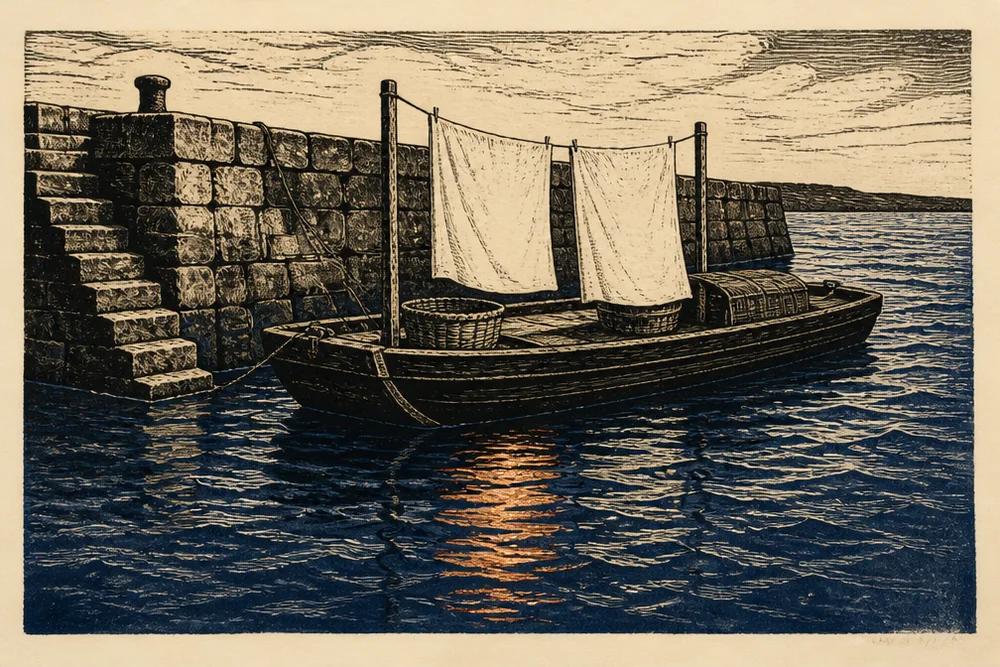
A Favor in Red Wax
At noon, the rising water will lift Giulia Chalderflick’s floating laundry off the mud. By dusk, a bailiff will chain it to the quay.
-

The Weight of a Thimble
Before dawn, spectators crowd the weighhouse steps for a glimpse of the silver measure on its velvet litter. In 1874, the river town of Erlbrück still opens its autumn market by carrying the measure through the streets.
-
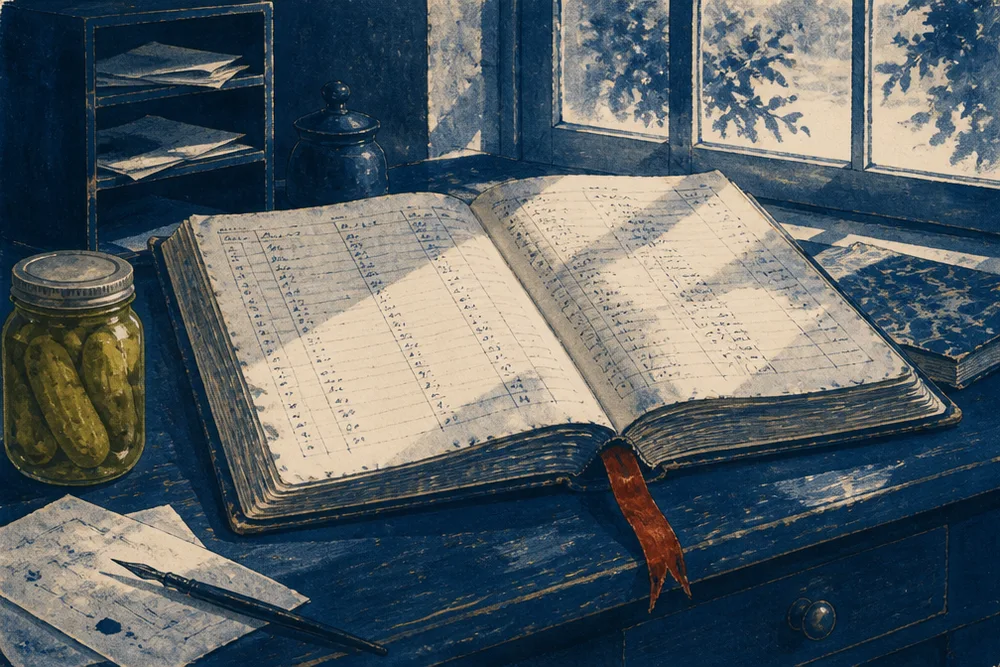
The Clerk’s Mother Is Pickling Cucumbers
On her first morning as town clerk in 1882, Gisela Hedgemarsh reads that her mother is dead. Her mother, very much alive, expects her home by noon to help pickle cucumbers.
-
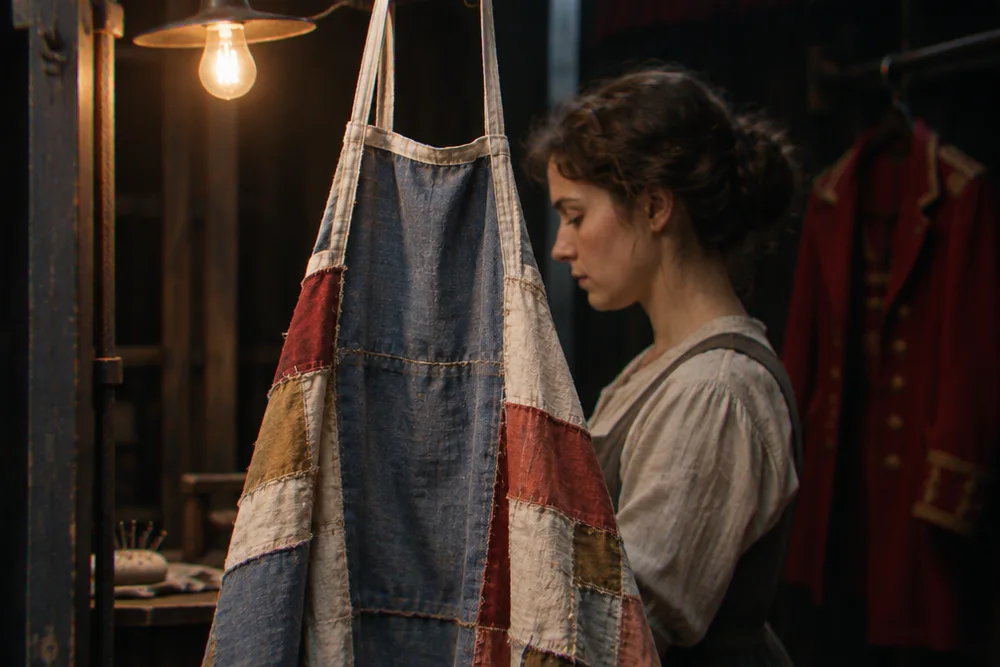
The Footlights Take an Apprentice
Under the theater’s new electric lamps, a prince’s crimson coat turns the color of raw liver. In Cairo’s fictional Copper Gate theater district in 1898, seamstress Rabha al-Sabbagh has one evening to test the company’s costumes before its first electrically lit performance.
-

Put the Piano on Air
By Saturday, the piano Dalva Peçanha learned to sing beside will be on a dealer’s truck unless she can pay three months’ rent. In 1936 Rio de Janeiro, her cabaret wages won’t cover even one.
-

Turn the Slate Sideways
At a pine camp in 1867 Canada West, Agathe Desrosiers earns more delivering babies than the company pays her to mend shirts, provided the families have cash. She wants the superintendent to set aside a heated room where she can take patients through winter.
-
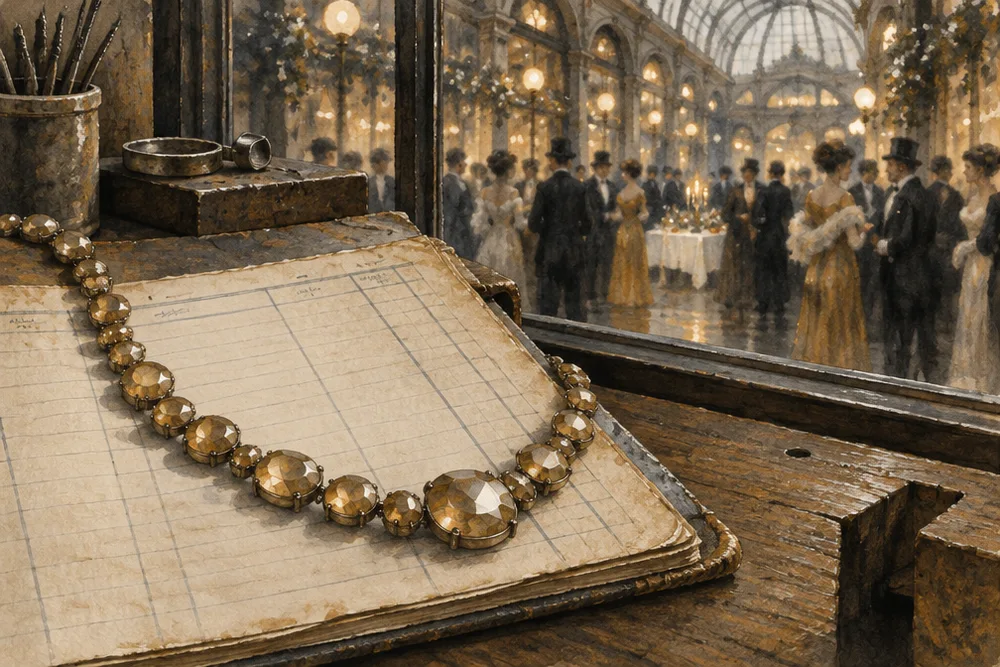
Paste Stones at the Banquet
In Glasgow’s fictional Larch Arcade in 1912, bench jeweler Agnes Riddell has saved almost enough to buy the polishing lathe she rents by the hour.
-

Leave the Border Unwoven
At the neem-shaded workshop in a small Deccan town in 1927, no one wears a customer’s cloth. Yet Kaveri Deshpande has seen the dyer drape a wedding shawl over his shoulders and the proprietor try on a mourning wrap.
-
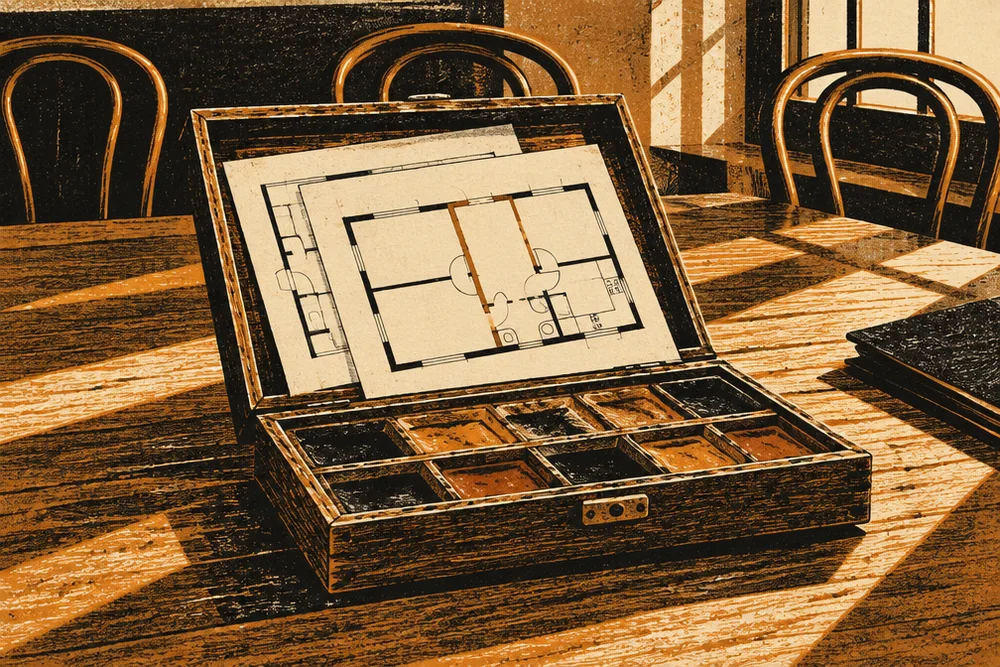
The Paint Box Takes the Stand
On Monday in 1949, a tax appraiser in the South African coastal town of Kwelana chalks a price on the fire-scarred playhouse.
-
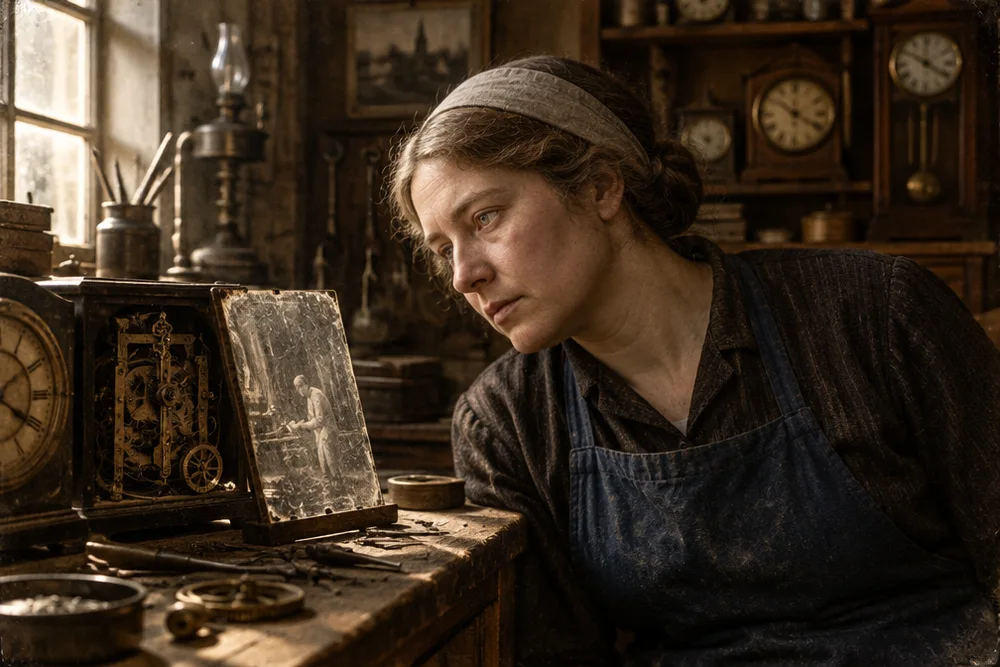
The Woman Behind the Dial
The studio’s clocks all say ten past ten, but only the one on Viktorija Lazdinute’s bench is meant to run. In 1927, she repairs timepieces in a Kaunas photography studio, saving for a shop where no one can ask her to retouch another face.
-

The Warnings Under the Fold
The first warning Jintara Noppakul finds in a customer’s pattern book is the one she helped set in type: allow extra cloth at the cuff. In her aunt’s Bangkok print shop in 1907, Jintara sorts type and folds sheets, but she wants to set a whole page without supervision.
-
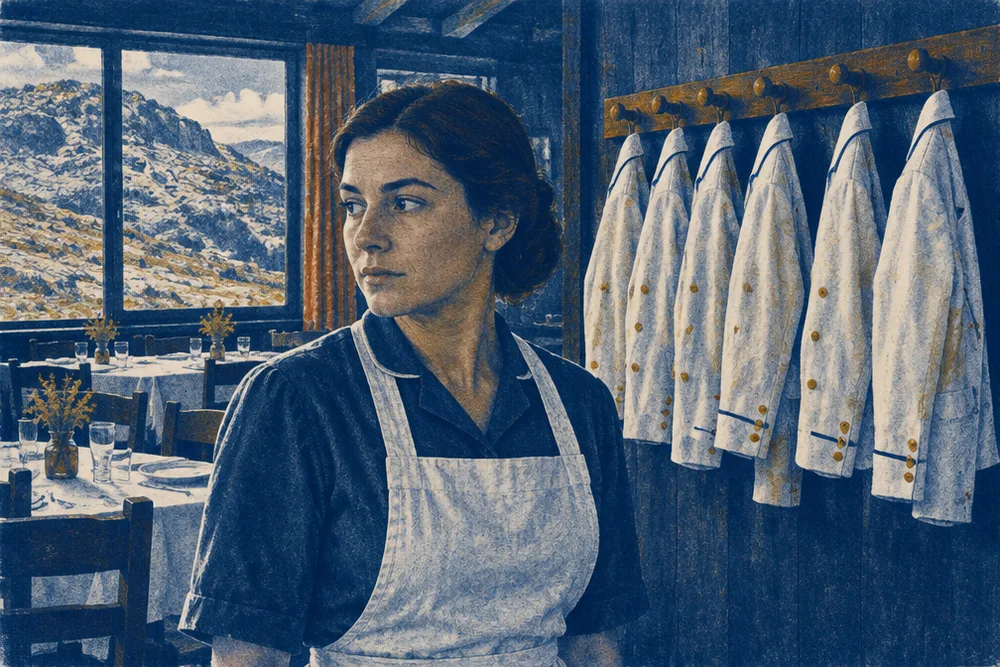
The White Coats of Alto Frio
At Alto Frio, a mountain railway terminus in 1960s Portugal, the annual Parade of White Coats brings even the stationmaster out to stand at attention. Isaura Perdigal wants the railway’s anniversary portrait commission to pay for a studio of her own.
-
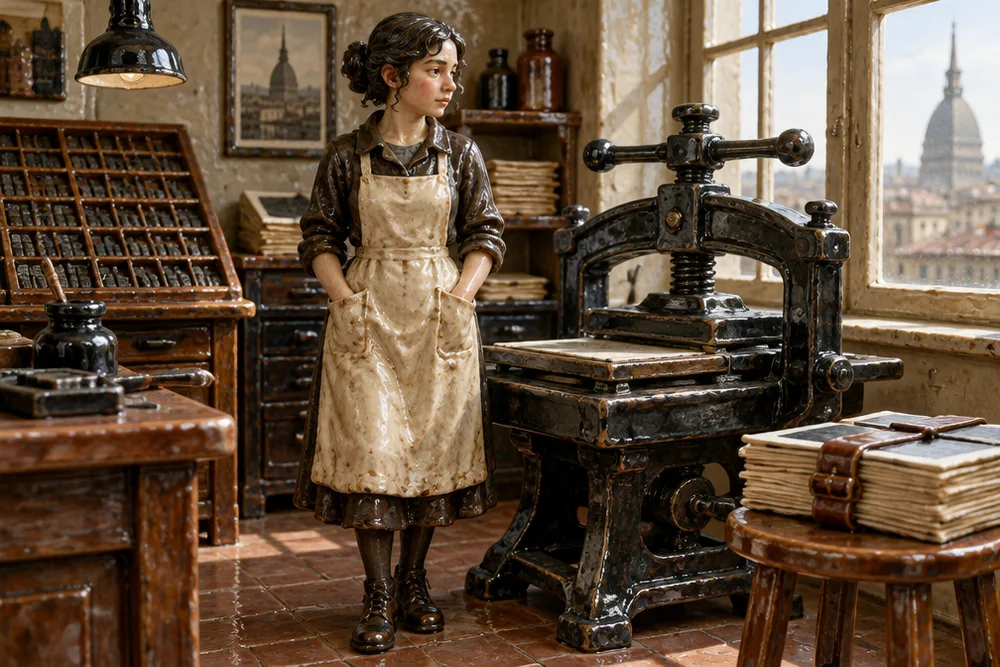
Set My Name in Lead
The first line Lidia Vermelati sets without a crooked letter is an advertisement for a corset she could never afford. In 1936 Turin, she wants a paid compositor’s place at the Brina printing shop, where she’s still an apprentice.
-
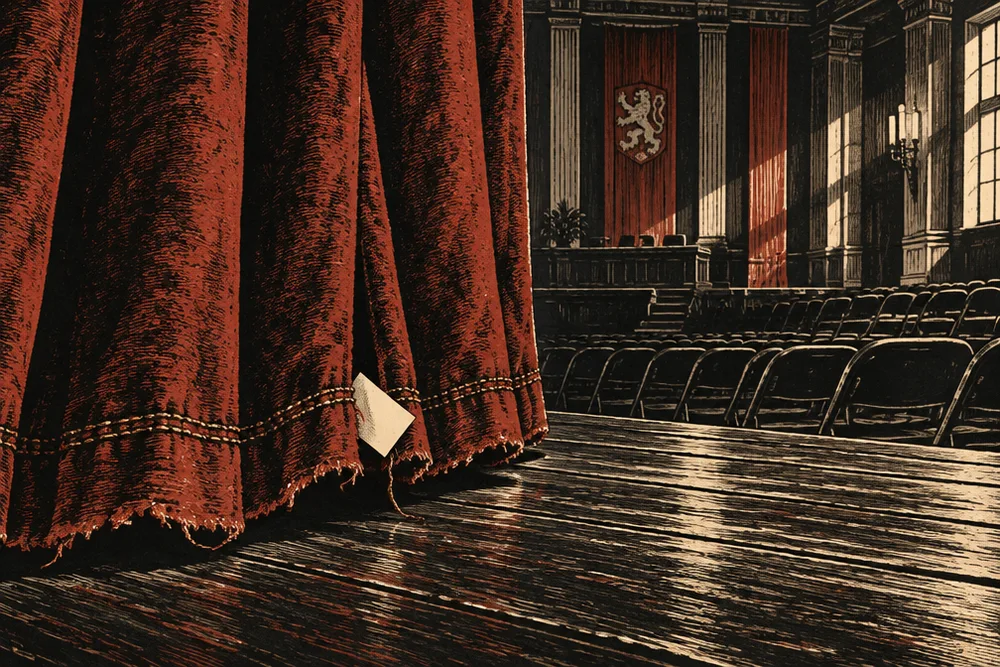
The Curtain Keeps Its Seam
Before the puppets can enter a painted kitchen, Radoslav Jevreki has to mend the stove. In 1950s Prague, he repairs a touring puppet company’s hand-painted backdrops and saves for a workroom with a door wide enough to take them on the roll.
-

The Pepper Trees Have Witnesses
The pepper trees are the only things in the nursery Nadia Benravel is trusted to prune without supervision. In 1956, in the inland North African town of Tazrima, she wants a municipal gardener’s certificate and a plot of her own to tend.
-
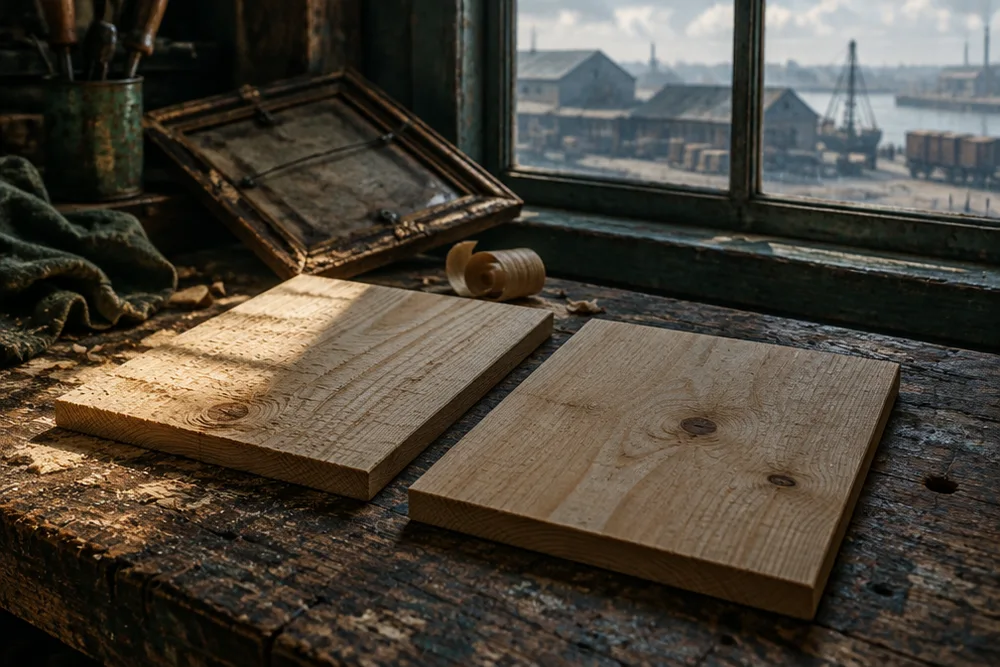
The Grain Runs Both Ways
In 1912, at the inland Baltic freight port of Karsvik, Elisheva Taben repairs picture frames at the bench where her father taught her to leave backing boards loose enough to swell in damp weather. She wants to buy the bench from him before winter.
-
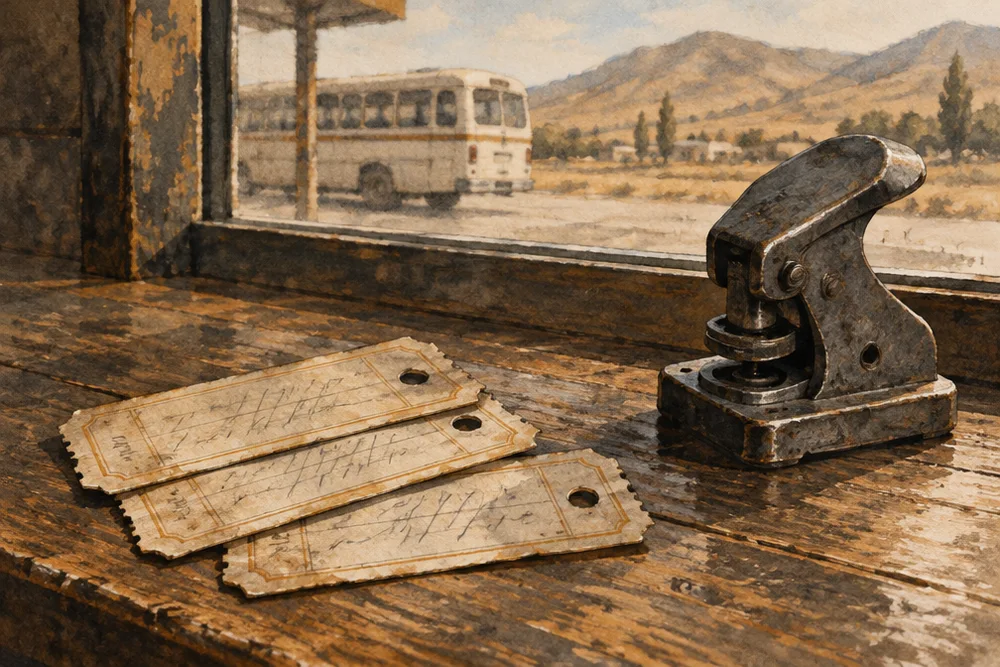
The Stops Between the Holes
Every morning in 1977, Meral Korkata punches the date into season tickets at the bus depot in Çatören, an inland Anatolian mill town.
-
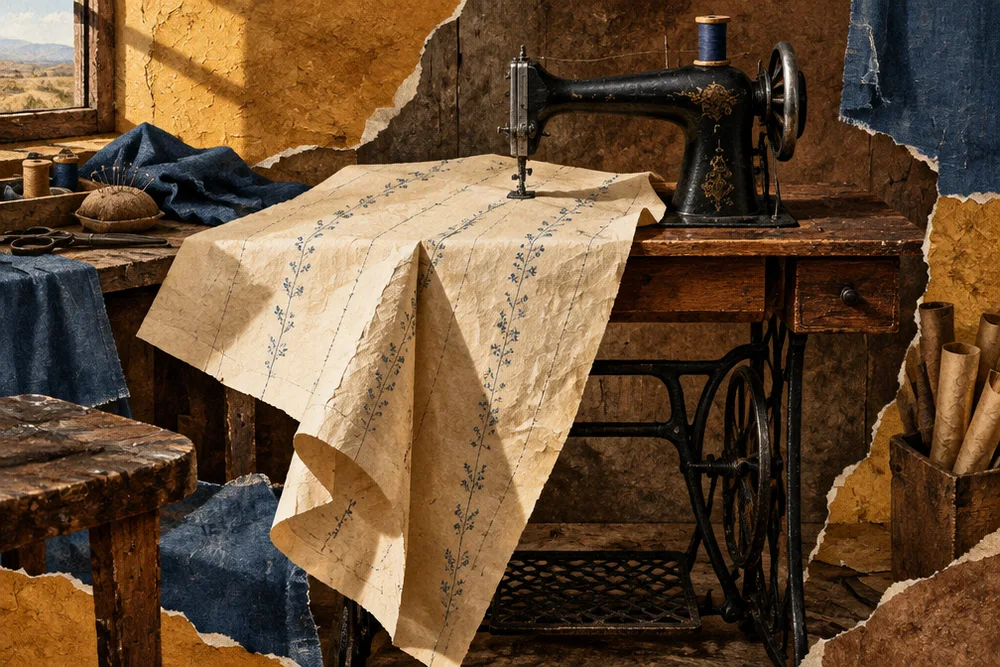
Blueprint for an Unpaid Hem
At the inland market of Tan Dua in 1934, the town council gives buyers one week to inspect the public sewing workshop before its machines go to auction.
-
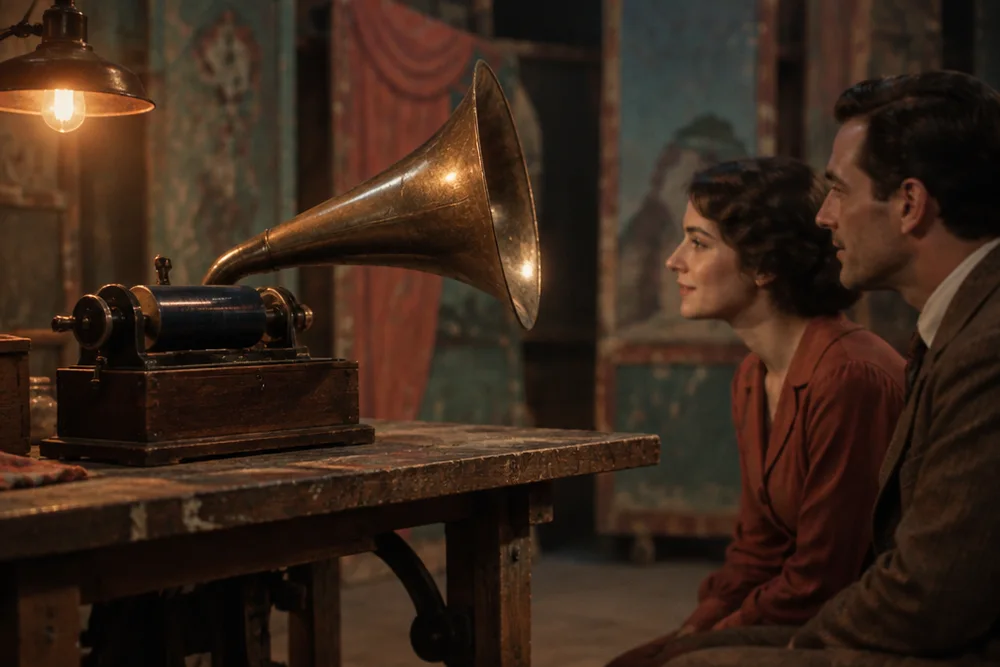
The Takes We Keep
In 1927, Celia Drazek needs six dollars by Saturday to reclaim her phonograph repair bench from a pawnbroker. A record dealer offers her twice that for three rehearsal takes from Milwaukee’s fictional Juniper Theater.
-
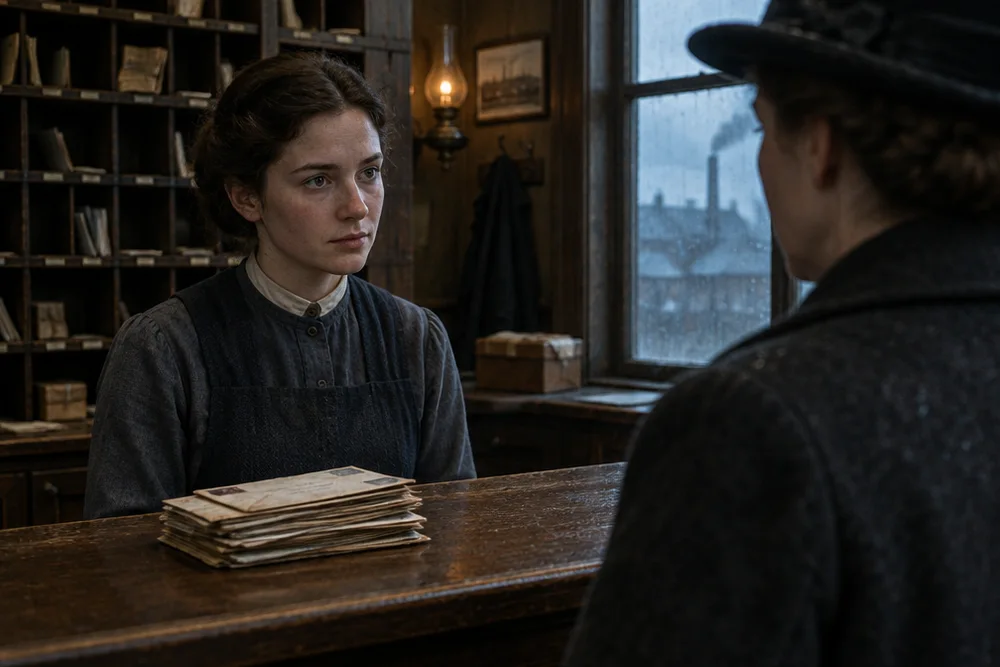
The Address They Took Away
At ten on a wet Tuesday in 1911, Agnes Holcroft has a routine appointment to renew a factory’s mail redirection. The woman who arrives at the post office in the mill town of Bracken Holt is Zofia Kępiniec, a loom fixer whom the factory’s relocation papers list as dead.
-
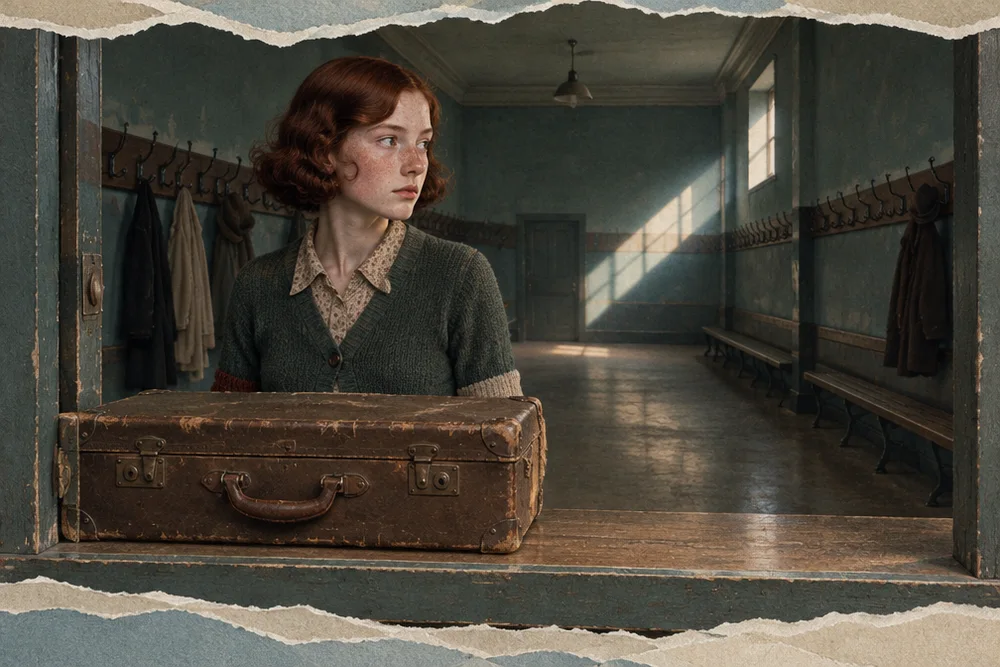
A Ticket for Every Mend
The first thing Elsie Runcimere mends at Bracken Cut station is a suitcase nobody wants back. By Christmas 1936, the sixteen-year-old cloakroom attendant has turned a shelf of unclaimed luggage into a stock of spare buckles and started taking in repairs.