Mystery & Thrillers
Follow the clues through detective stories, cozy mysteries, and suspense.

Top 10 Books
Most read in this category.
-
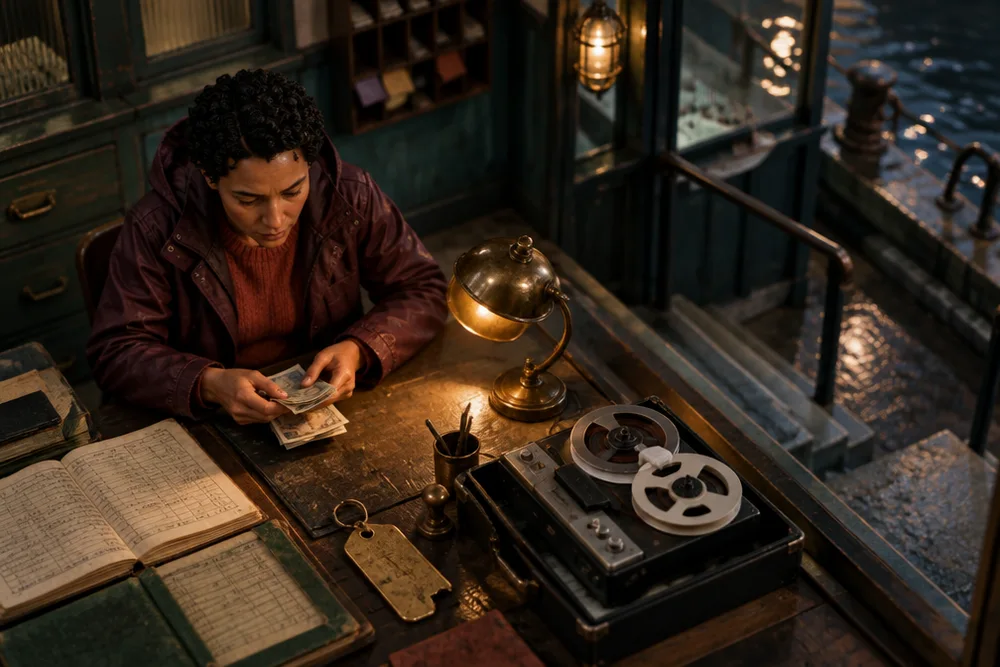
Seven Nights Above the Ferry
Room Six has been bricked up for twenty years, but on Tamsin Jarrow’s third night behind the ferry terminal’s desk, a woman asks for it by number. Tamsin is covering the desk for a week in exchange for a bed while she saves the deposit on a flat.
-
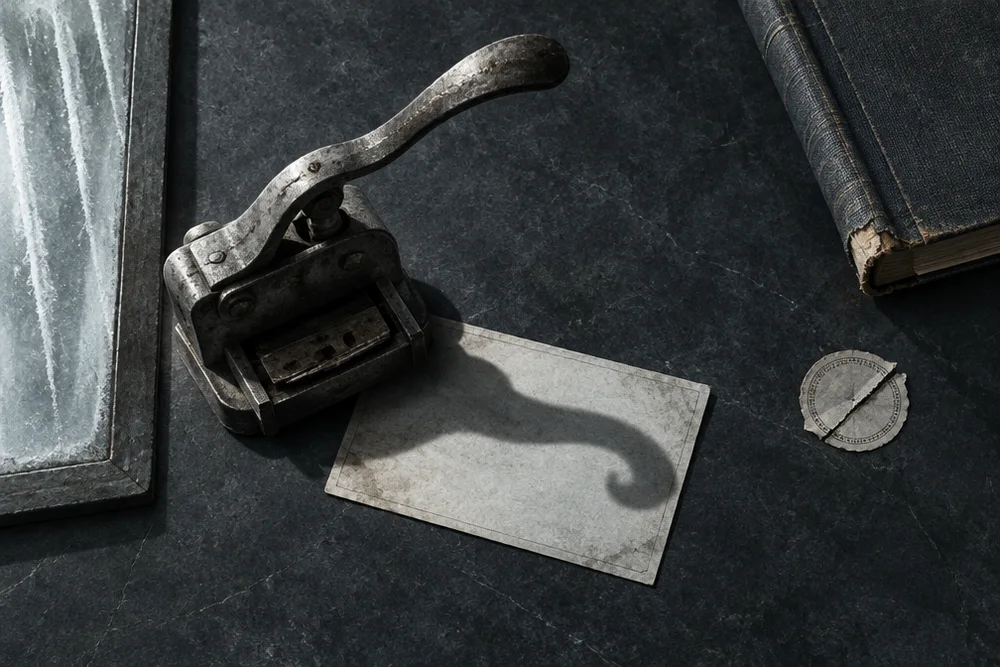
The Weight of Blank Paper
Before the island ferry makes its last run, Pella Joss goes to the terminal to buy a ticket punch that hasn't worked in years. Her mother used it for thirty years, and Pella wants one thing to keep before the terminal becomes a luxury marina.
-
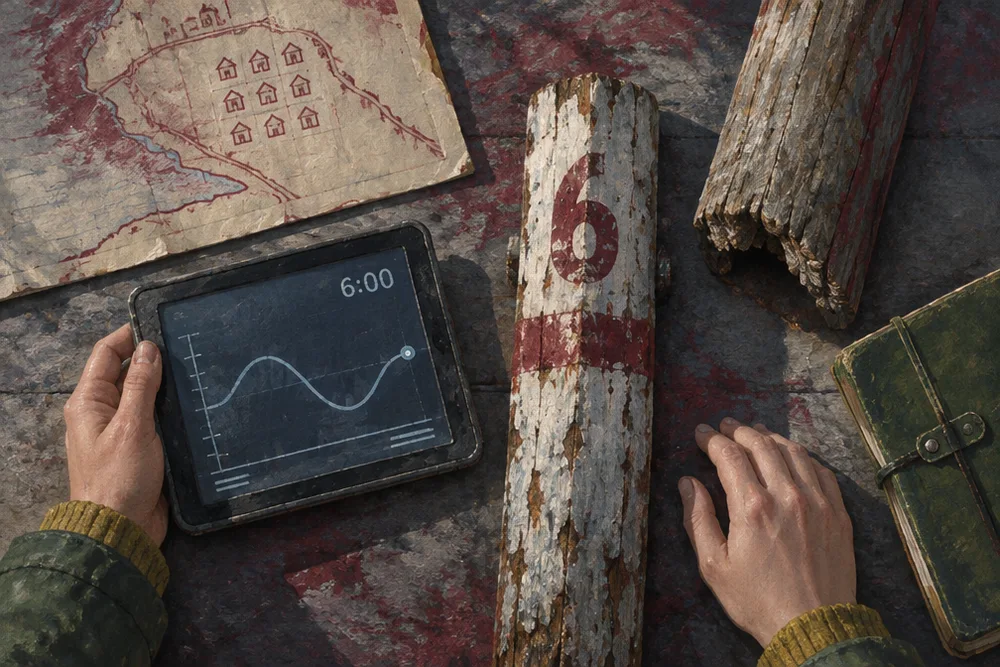
What the Gauge Left Out
At six sharp, Fenna Wrenwick reads the harbor level on a screen. Her mother, Elspeth Wrenwick, takes the tide station steps down to read it off a painted post.
-
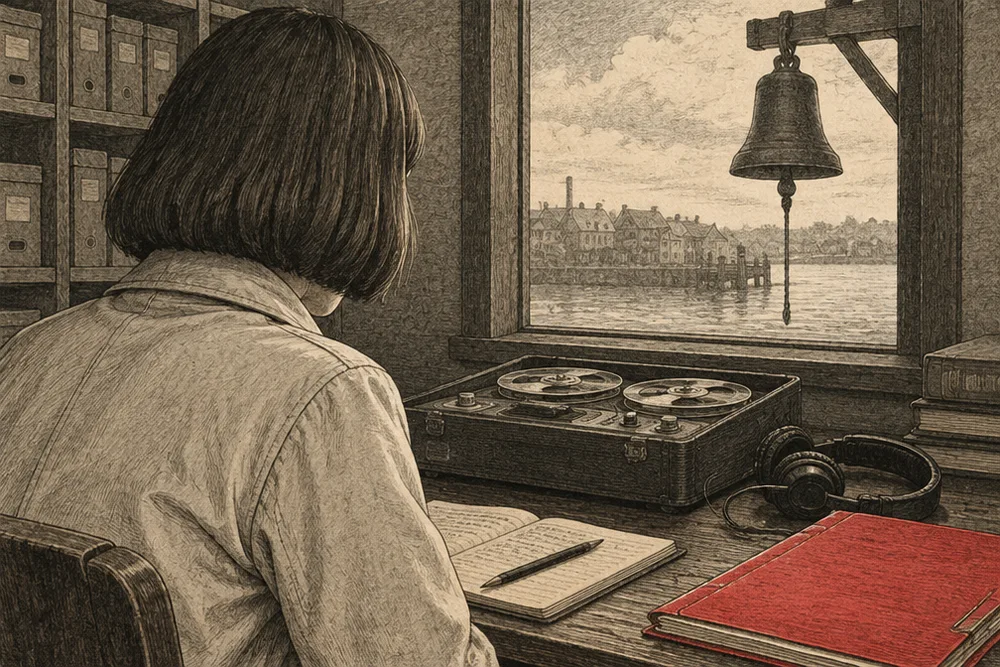
The Bell Beneath the Minutes
Una Wetherell was twelve when her father promised her across the kitchen table that no one would ever build on the drowned end of Bell Street. At noon, she hears him make that promise again, this time on a recording played by the town clerk.
-
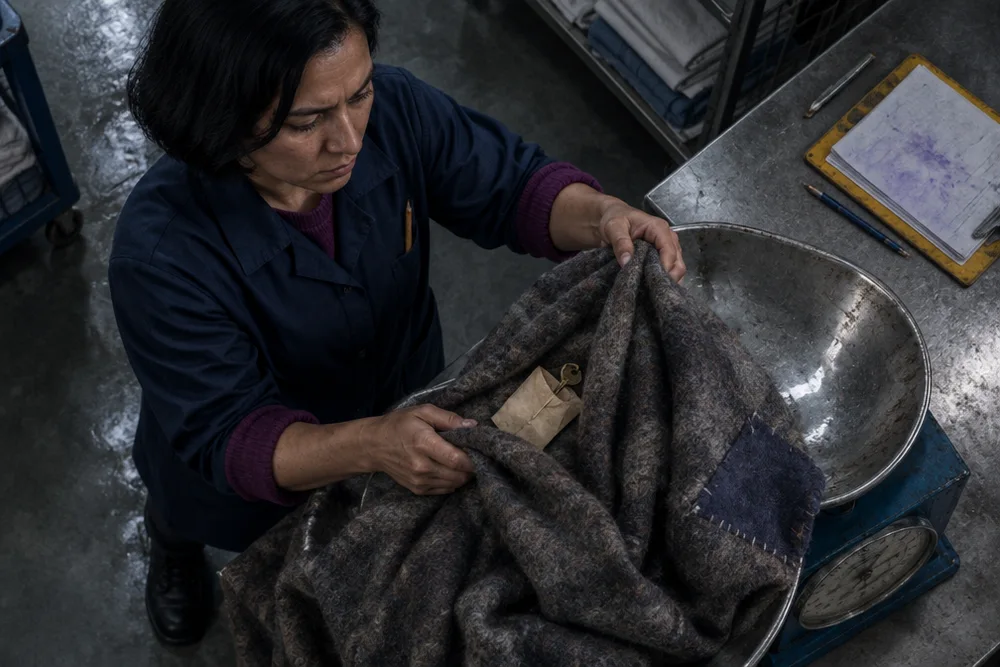
The Second Weight of Linen
At the island’s only care home, Sanna Merrin weighs the laundry before every wash. The scale tells her when to split a load and whether she’ll clock out in time for the mainland ferry.
-
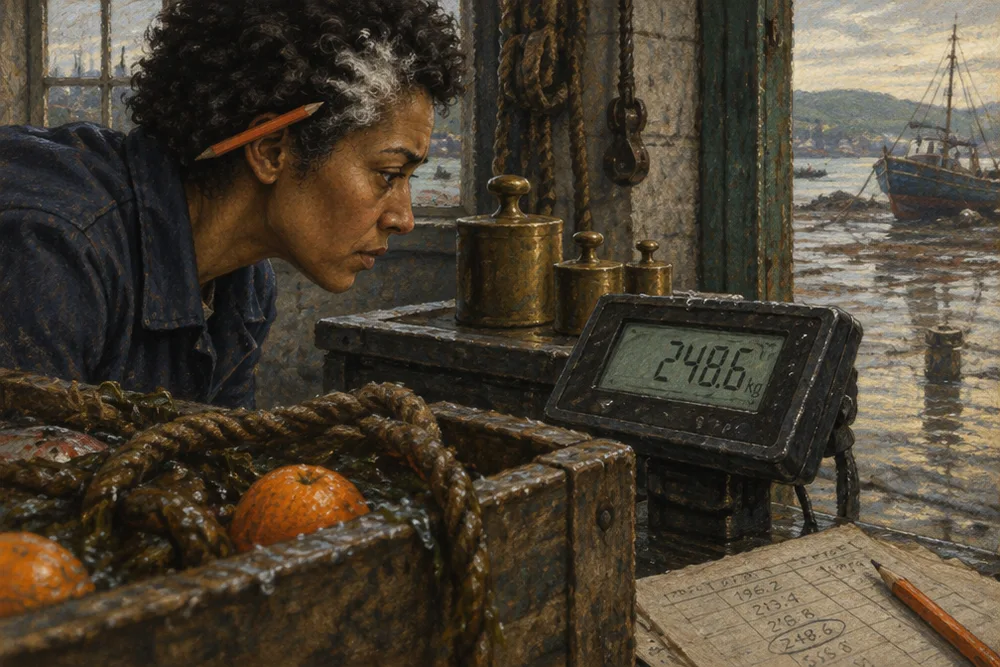
The Weight of Low Water
Wet rope and oranges scent the town’s last public weighhouse at low tide. Una Venn has come home to sell it and pay for her mother’s assisted-living flat.
-
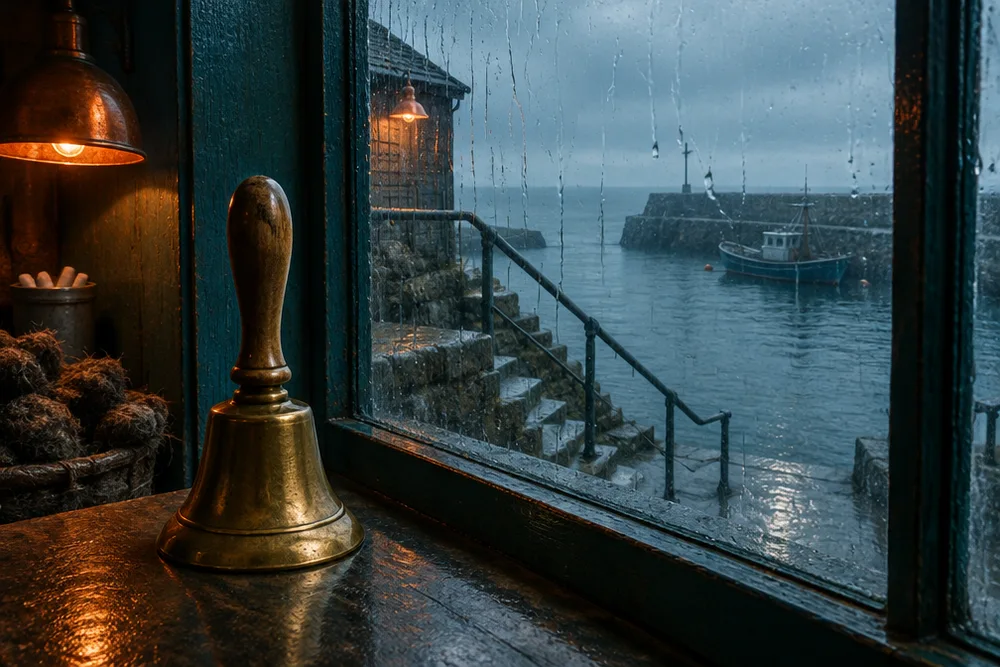
Before the Bell at Low Water
At six twelve, on the morning of Gwenna Fallow’s interview, the brass bell at Saltwick ferry terminal rings. Everyone knows not to ring it before seven.
-
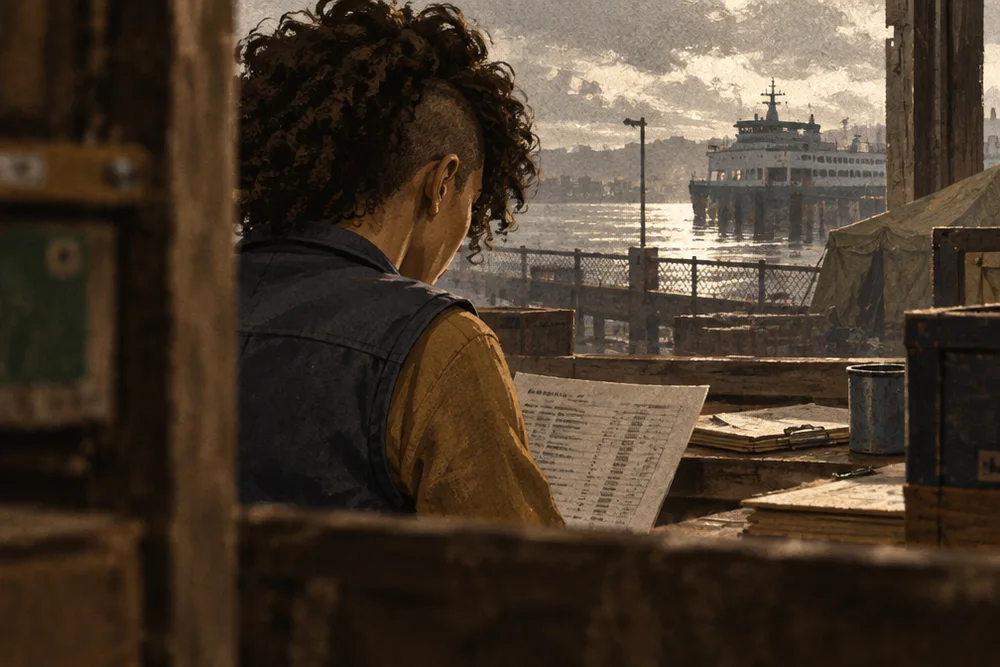
Ferry Receipts for Warnings Never Sent
With two mornings left on her twelve-day contract, Hester Marden spots her own name on a list of people who refused to evacuate before the flood. No warning ever reached her.
-
The Empty Seat at Low Tide
One more passenger steps off the last ferry before the winter shutdown than Carys Nancarrow checked aboard. By morning, the terminal cleaner is missing, and the ferry board has called an emergency vote to close the route for good.
-
The Last Dry Address
On the ferry depot’s last morning, Tamsin Leth spots her father’s old address on a list of houses that never flooded. She has until noon to prove he lived below the high-water mark and recover the relocation payment he was denied.
All published books A–Z
Titles are sorted without an opening A, An, or The.
B
E
F
L

N

S
U
W

Top 20 Wishlist in Mystery & Thrillers
Start with our picks for this shelf. Your votes move stories up the list.
-
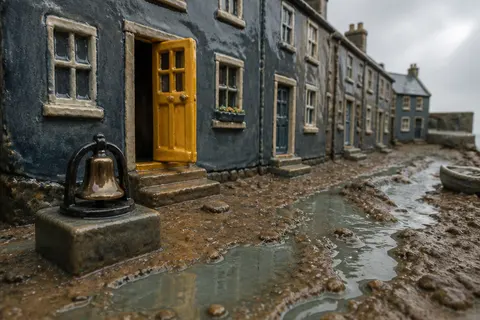 The Houses That Never Flooded
At low tide, Orla Mowbray knocks on the door of a house the borough says drowned twenty years ago. A municipal surveyor, she’s come to certify the tidal town’s last empty block for demolition.
-
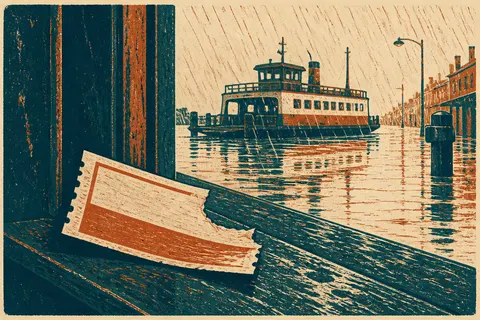 The Queue Beneath the Tide
At low tide, the ferry office smells of wet pennies. On her last shift as a ticket clerk, Linnet Searle needs to get her father aboard the final evacuation ferry before the seawall closes.
-
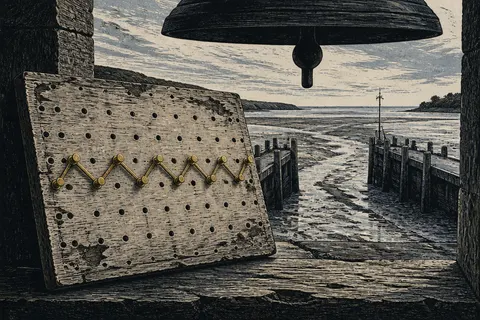 The Last Bell at Low Water
At low tide, two bellkeepers in the tower above the ferry landing disagree about who’s dead. Ulric Selwick counts the missing with brass pegs on a board; his apprentice, Idra Henswick, checks passenger scans on a tablet.
-
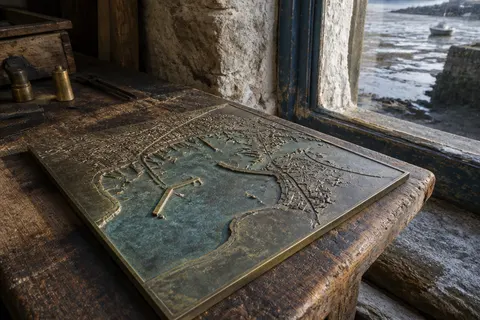 A Doorstep in the Brass
The lifeboat is the first lot to sell at the harbor museum’s auction. Petra Sellick, the museum’s registrar, needs the sale wrapped up by Friday so she can take a job inland.
-
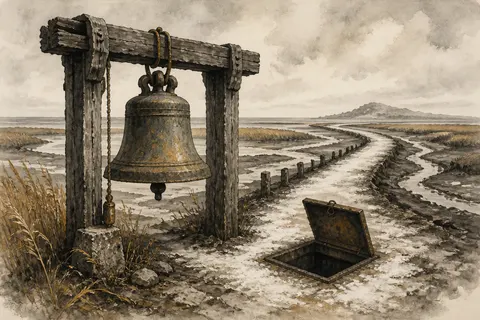 The Tide Bell and the Unlisted Floodgate
On the salt-marsh island’s first dry night of the year, someone from each household rings the tide bell for a person lost at sea. Every ring gets one answer from beneath the causeway.
-
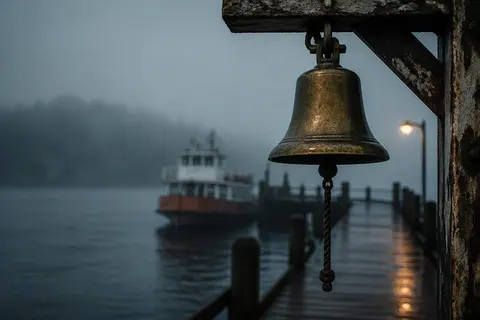 The Last Bell Was Early
Half the waterfront once went looking for a ferry that wasn’t missing. Ever since that false alarm, nobody in the tidal town rings the ferry bell after the last crossing.
-
 A Brass Key for a Paper Flood
The city starts draining its old reservoir on the morning Zora Wrenlow needs one last courier job to pay the locksmith for her new shop. Retired surveyor Bram Penrose pays her to carry a brass key to the far end of the dam and bring it straight back.
-
 The Frame That Kept Count
The only thing nobody wants salvaged from the city botanical garden’s oldest greenhouse is an empty portrait frame.
-
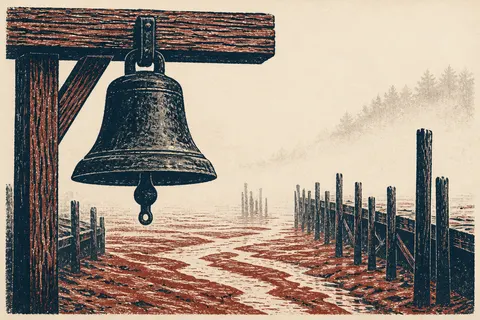 Eviction Names on the Overtime Slips
Orla Hazelfirth has until Friday to find the ferry manifest that could prove her late father bought a ticket the night he supposedly abandoned her. At low tide, the municipal archive smells of wet wool.
-
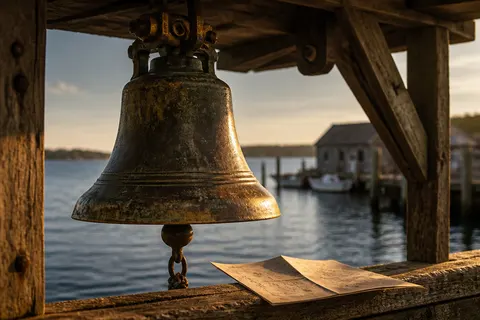 What the Bell Rings For
The harbor bell hasn’t rung yet, but Blythe Witherfen has already found a name that doesn’t belong on the list for its final toll: Lenora Witherfen, her mother. Lenora is alive, and for nineteen years Blythe has kept her promise not to tell anyone where she lives.
-
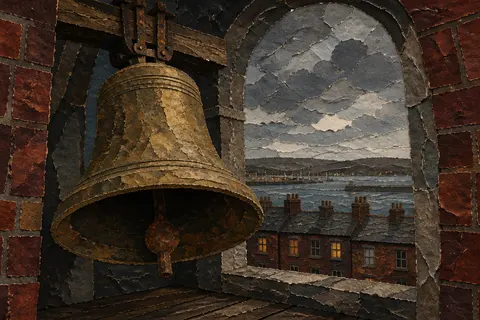 The Bell That Skipped a Street
Four minutes into the harbor flood drill, every bell on Una Elwick’s tablet shows green. Her grandmother, Tess Greydyke, won’t call it done.
-
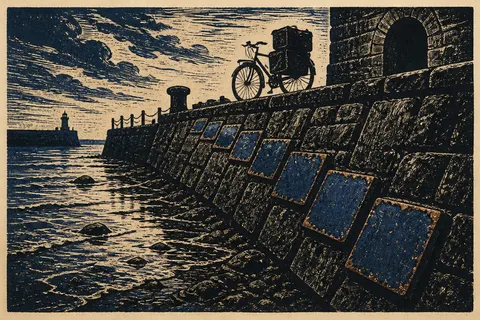 The Way Back to Nowhere
At the flood office, clerk Silas Copperdene lifts a brass weight from Vera Coss’s parcel and tells her to ride home by the same streets. It’s her last errand before she can collect the wages she needs to buy her late father’s repair shop.
-
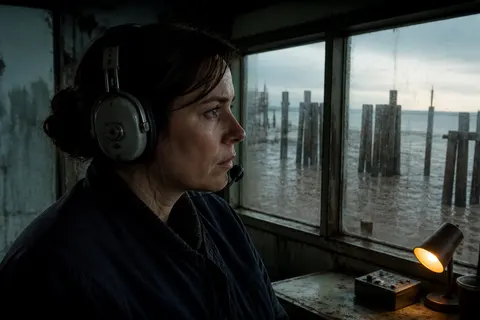 Bus Fare for the Death Roll
The voices on the shuttered ferry terminal’s recordings ask for bus fare, but only at low tide. Orla Ellis is cataloging the terminal’s equipment for a museum, hoping to finish in time to catch the last ferry out and start over inland.
-
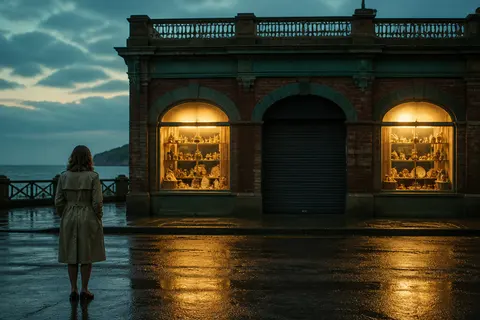 The Window That Stayed Dark
From across the street, sign painter Quinn Weatherell watches the caretaker switch on the display windows of the nearly empty seaside arcade. Every Thursday at dusk, he lights all three from left to right.
-
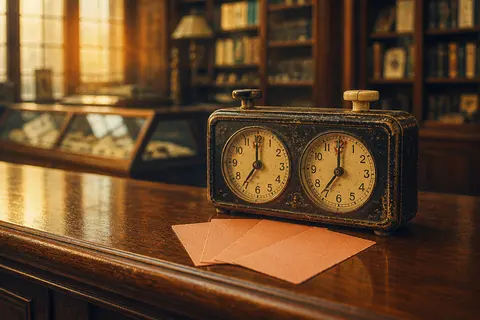 The Clock Was Here Twice
At one seventeen, a courier delivers a chess clock with a cracked ivory button to the first of three municipal libraries. By four, the same clock has been delivered to all three.
-
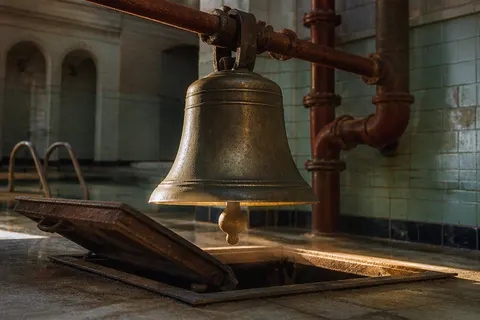 A Warm Lunch Beneath a Clapperless Bell
The bell beneath the shuttered municipal baths has been missing its clapper for forty years. At low tide, it rings once.
-
 A Second Note from the Ticket Office
At low tide, the closed ferry terminal creaks loudly enough for Merrin Calder to hear it from her kitchen. She wants to turn its waiting room into a free winter library, and the council votes on her lease in three days.
-
 The Canister and the Number Behind the Tile
There’s a return time on Orla Trewin’s dispatch slip, but no destination. The last courier on the tidal causeway, Orla needs one more signed delivery to qualify for her pension before the borough closes the route.
-
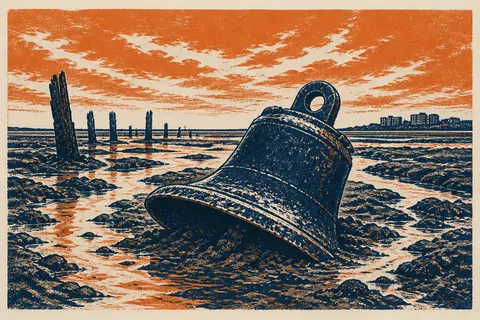 Fares for the Dead, Keys to the Block
At low tide, the old ferry bell rings once from the mud. Yvette Ternan knows the signal: her father rang it just that way when the last boat came in.
-
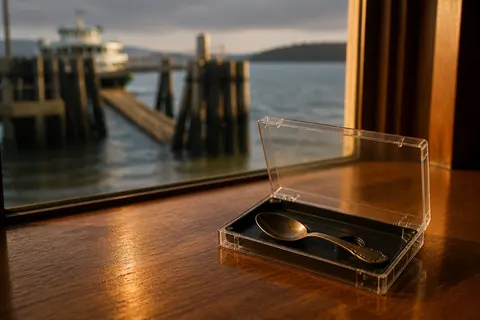 The Last Unclaimed Voice
A teaspoon goes missing from the ferry museum. By Friday, three more objects have vanished, each from a different display about the night the island ferry sank.
More story ideas
Open a story to read the full synopsis and vote for what we develop next.
-
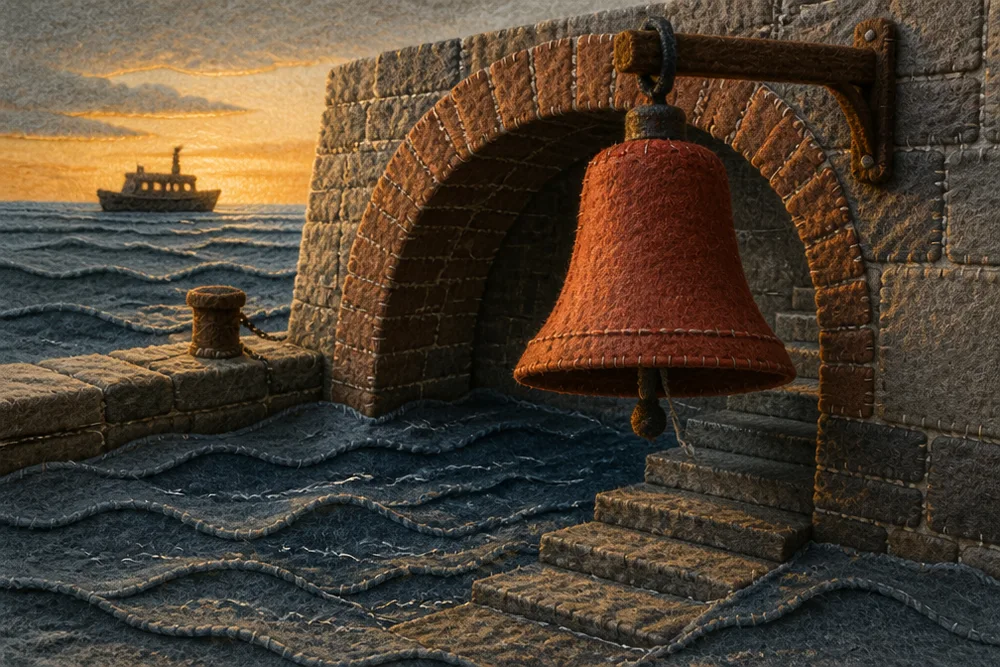
The Cellar Bell and the Ferry Apron
At low tide, Quinn Prowse hears the flood bell ring behind the bricks of a stairwell sealed thirty years ago. The island’s last ferry ticket clerk has until morning to prove the old landing is safe.
-
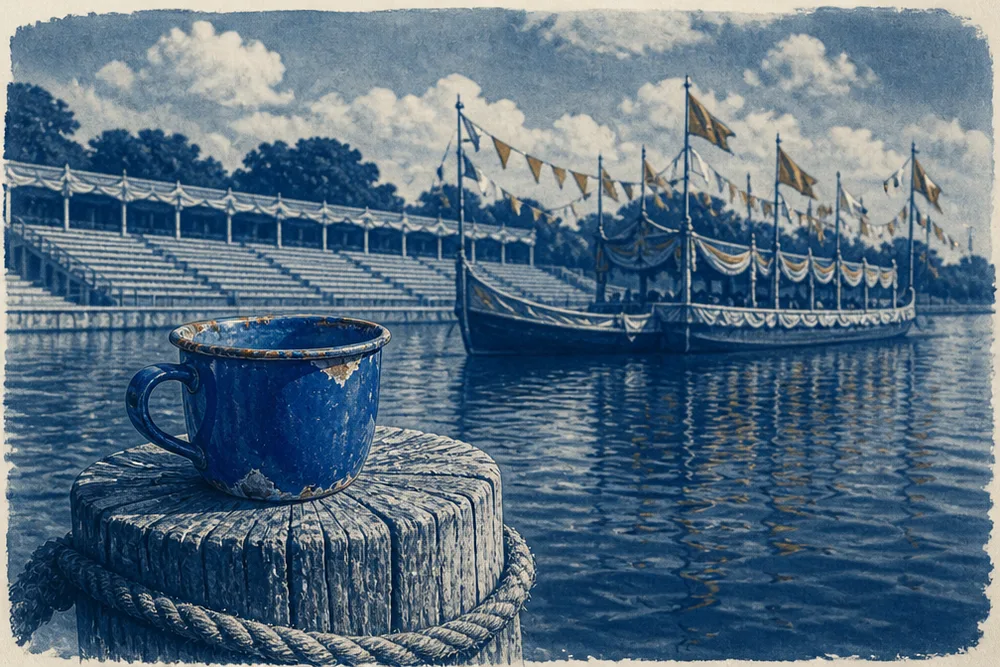
The Weight of One Blue Cup
For one minute every October, the harbor falls silent as a blue enamel cup crosses the water aboard a state barge. This year, municipal archivist Cora Vennell wants her late mother’s name taken off the monument that credits her with founding the rite.
-
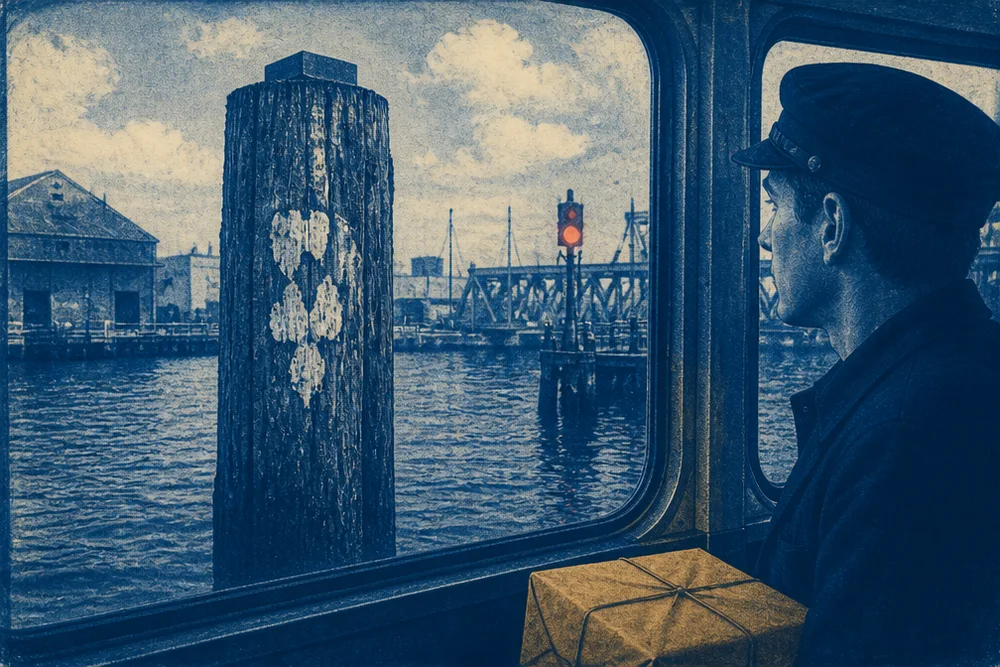
The Address Facing Home
Where the address should be, Petra Venn’s delivery slip lists only the turnaround point on the harbor tramway. She takes the rush job anyway: the fee will cover the deposit on a flat above the flood line.
-
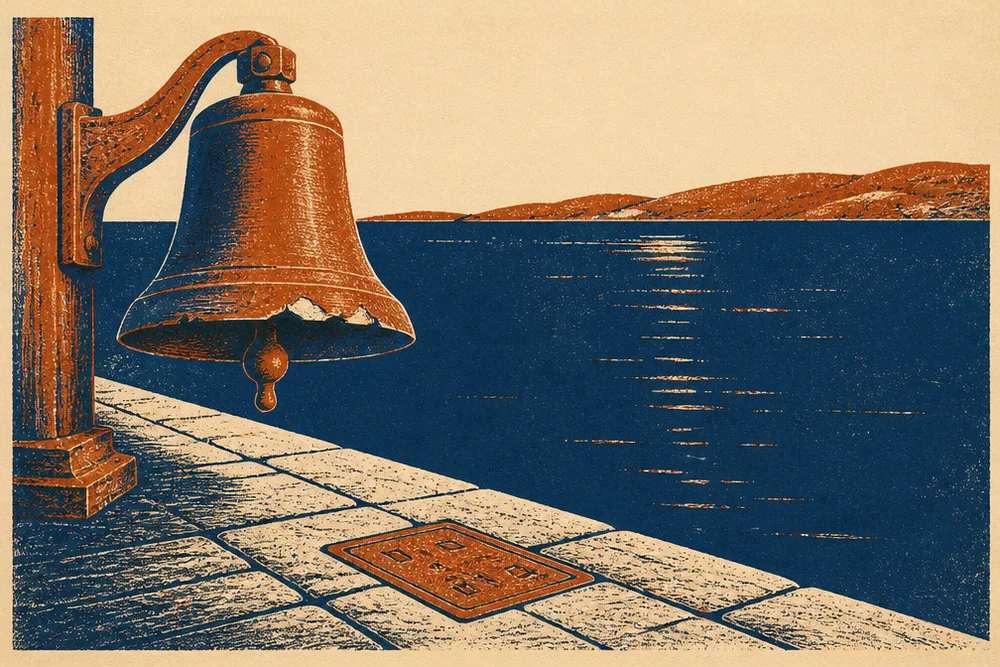
The Bell That Missed Thursday
At noon on Thursdays, two rings from the old salt ferry tell the harbor café its bread has arrived. Fenella Dace is on the dock to sell the ferry she inherited from her mother when the first ring sounds.
-
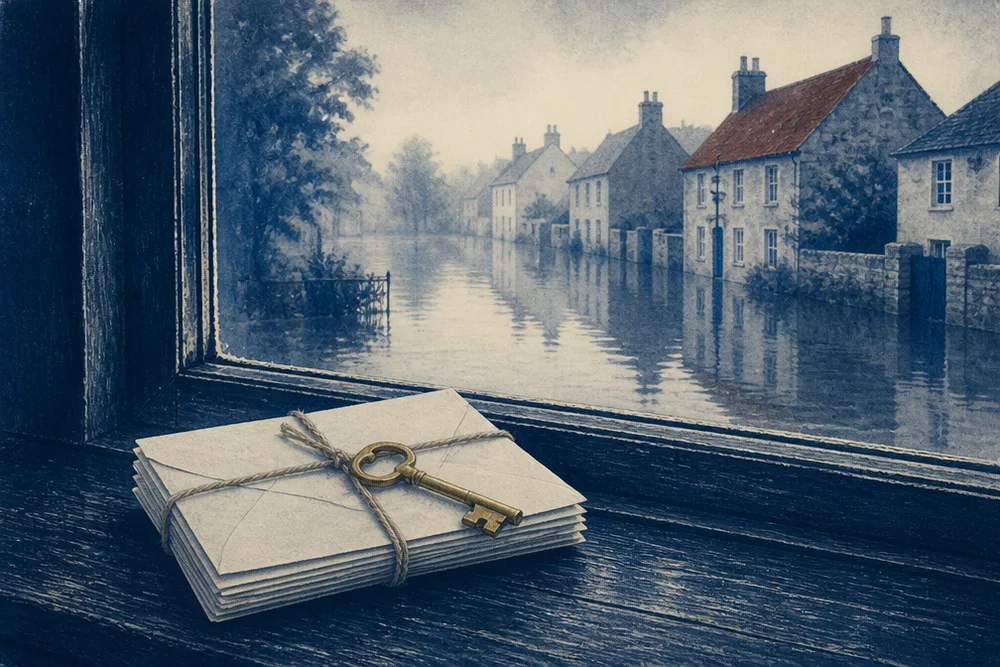
Forwarding Address for the Dead
The village no longer exists on paper, but on the last day before the reservoir gates close, the post office still has a sack of mail for it.
-

An Empty Tin for a Full Row of Houses
Double pay for carrying an empty tin might cover Tessa Penhaligon’s deposit on a flat above the flood line. She takes the harbor clerk’s errand without asking why she’s meant to bring back a receipt from the outermost tide bell.
-
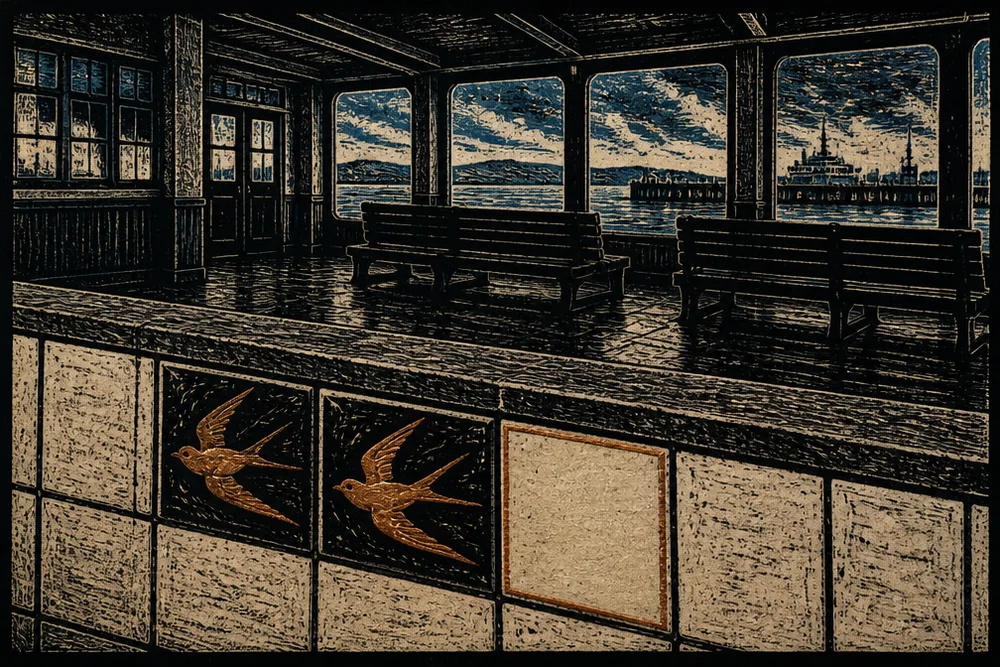
Wage Envelopes for the Missing Swallow
For eighty years, the tiled swallows on the ferry terminal’s dado have flown in threes. Cataloguing the tiles before demolition, Una Mowbray spots two birds followed by a blank.
-
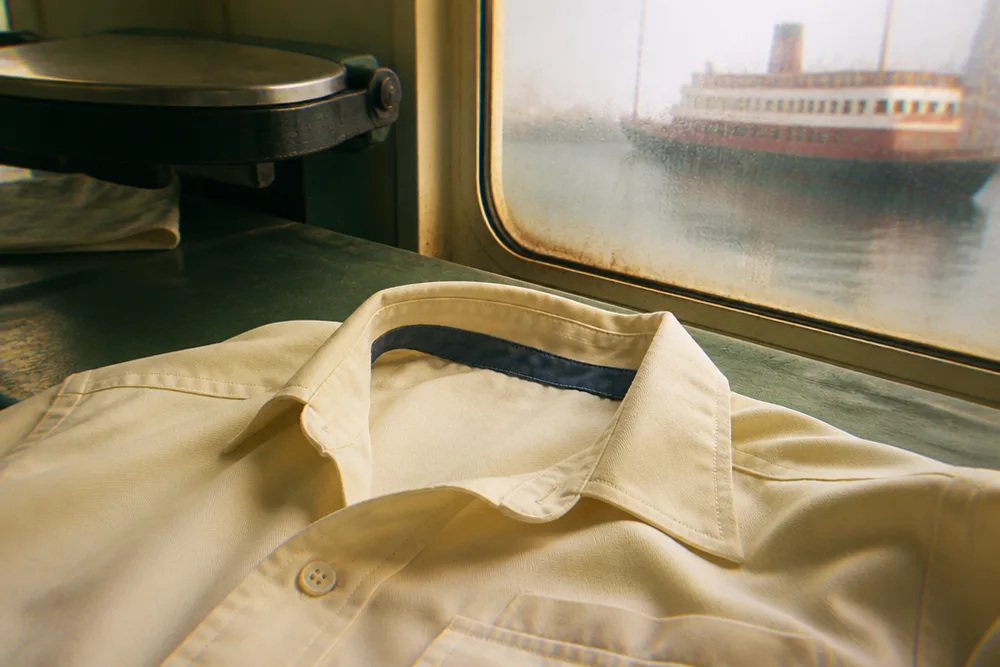
A Ferry Collar at the Compensation Hearing
A second name shows through a ferry crew shirt’s collar as Zélie Haro lifts it from the press. She irons the crews’ uniforms before the first boat leaves the island each morning, but she hasn’t seen that name since the deckhand supposedly quit last winter.
-
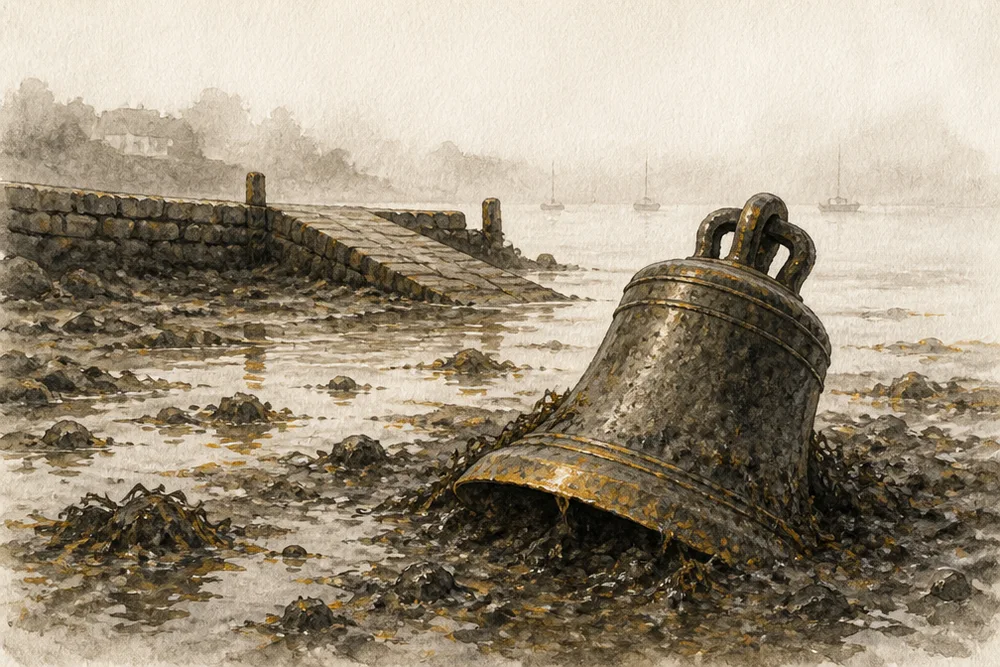
The Seventh Passenger’s School Receipt
At low tide, the old ferry bell sticks out of the mud. Cora Vennick, a harbor records clerk, wants the permanent post that would let her stay in town and care for her father.
-
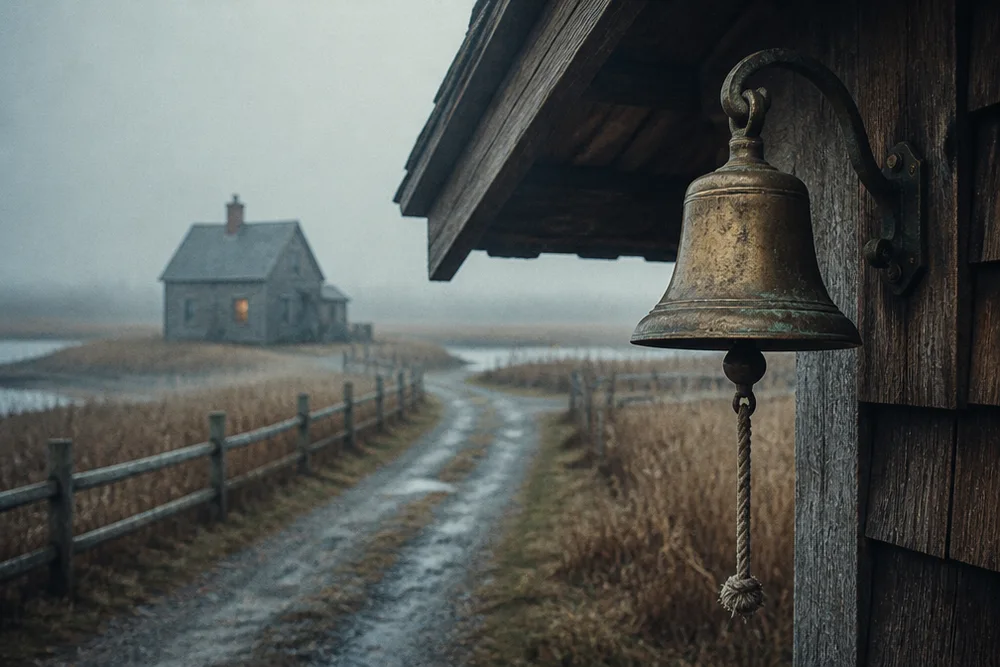
The Bell for Empty Houses
On the first foggy Sunday of autumn, every household in the salt-marsh town rings a bell for a neighbor who lives alone. Everyone knows which house to listen for; no one writes it down.
-
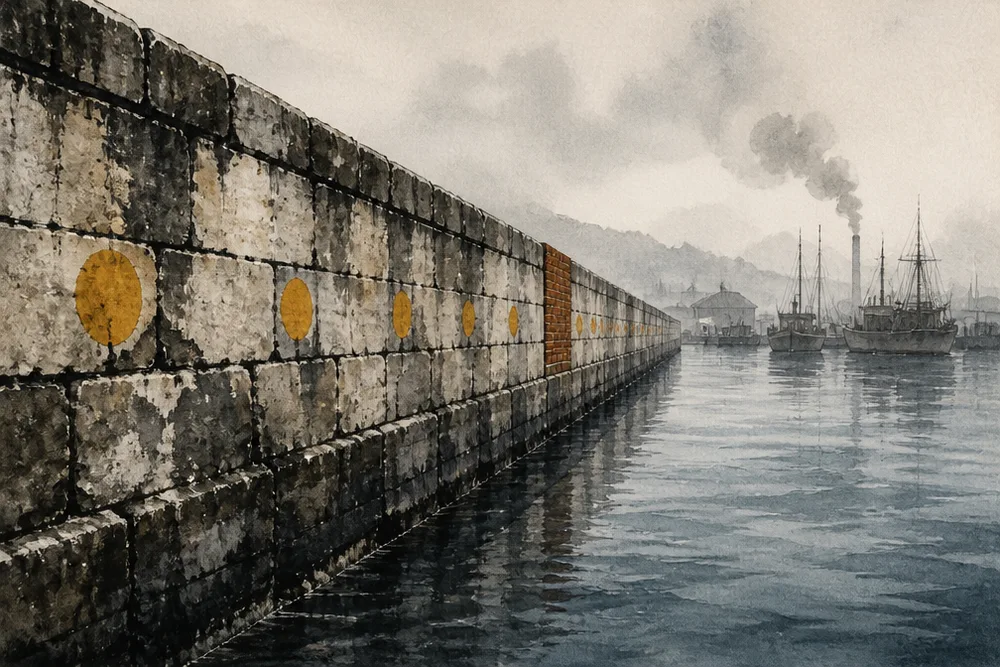
The Last Day for Dots
For thirty years, the harbor’s volunteer painters have known where to start each Thursday: a row of ochre dots tells them where to put their brushes to the seawall. Then the dots stop, a week before Althea Treven is due to sell her late mother’s paint shop and leave town.
-
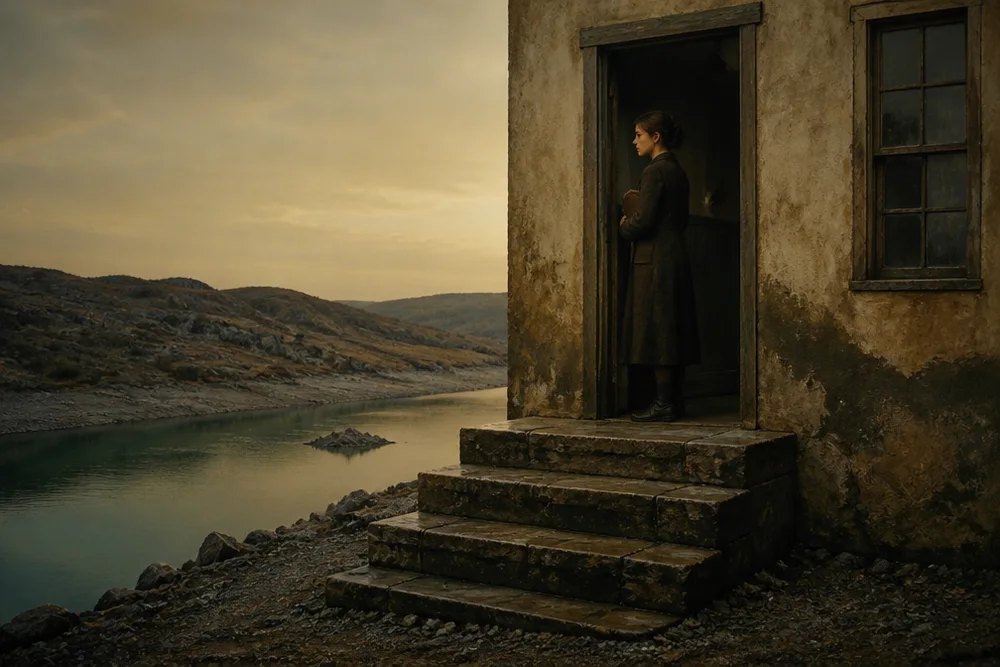
The Names Beneath the Reservoir
By noon, the school steps are out of the water. Town records clerk Della Trowell retrieves a ledger from the school’s dry upper floor before the reservoir refills.
-
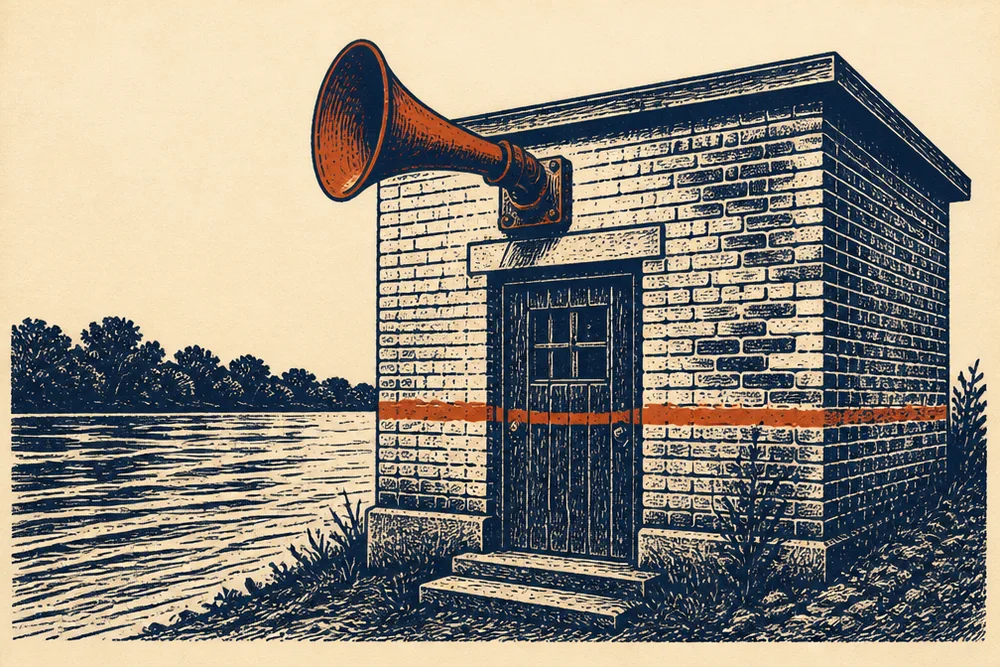
The Hour the Siren Missed
Every Thursday at noon, Lena Haskett listens for the flood siren her father supposedly forgot to sound. With one week left before the town sells its old pump house, she hopes to find the paper log that could clear his name.
-
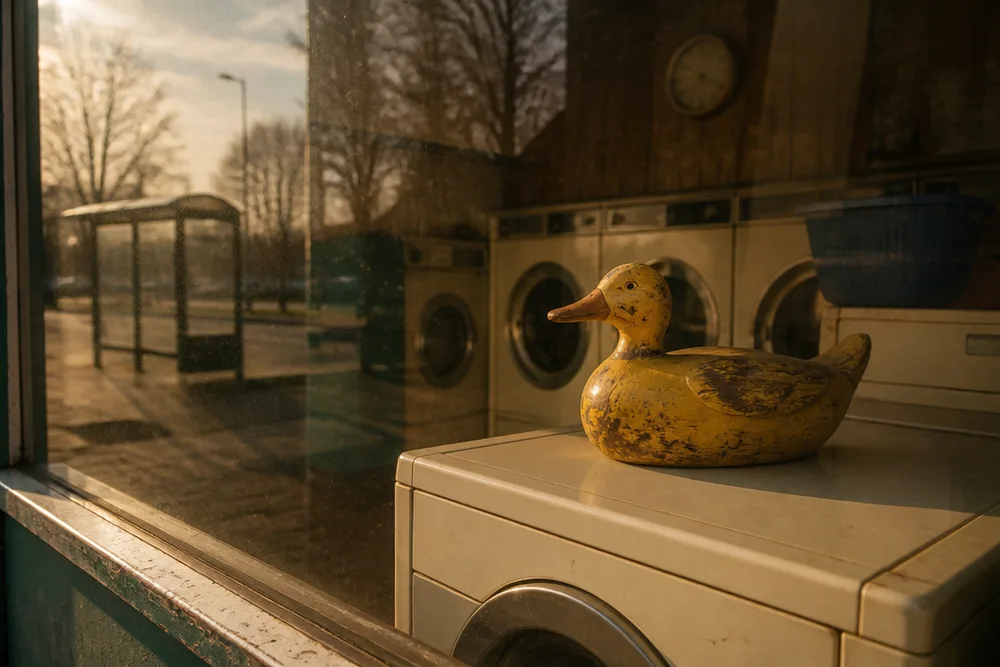
The Duck That Missed Tuesday
On Tuesday morning, the wooden duck is missing from the window of the shuttered laundrette. Zora Henshaw, a council interpreter saving for a flat near her daughter’s school, has caught the bus across the street for six years.
-
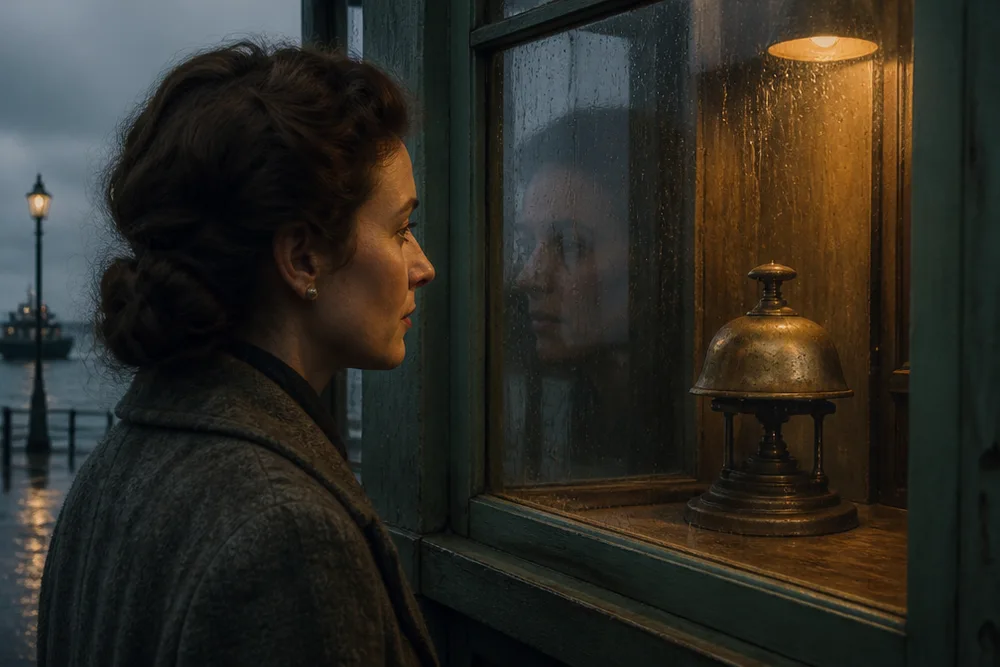
A Coat Below the Pier, a Signal on Film
On the island ferry’s final night, the departure bell rings without the boat leaving the pier. By morning, the bookkeeper is missing and his coat has washed up below the pier.
-
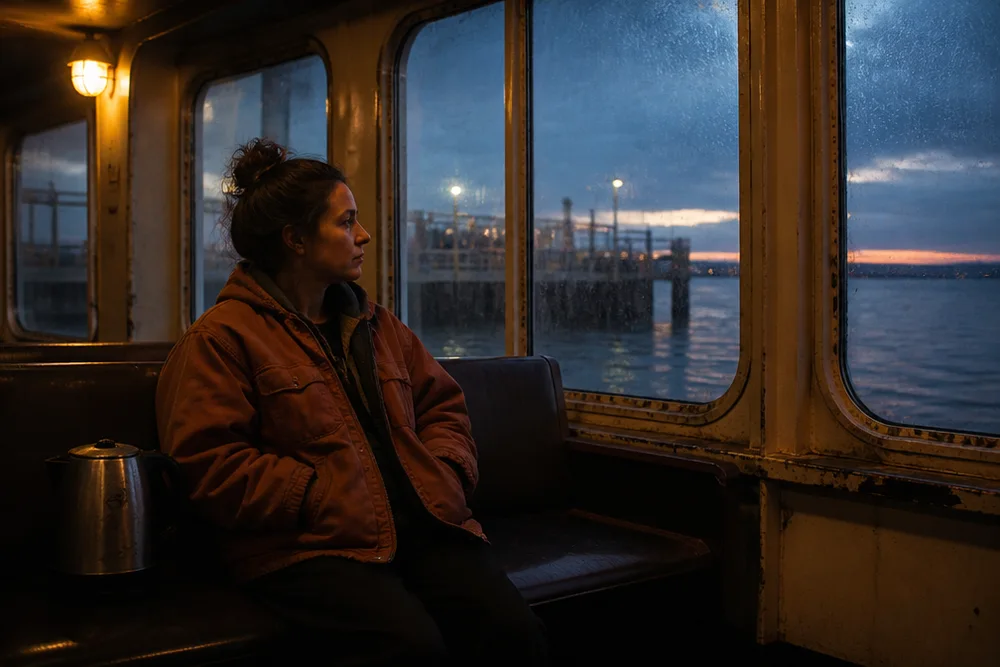
The Kettle Says We Were Here
The kettle in the old ferry terminal works only when the tide is out, a rule Keziah Trewin learns on her first night there. After the flood, the town has given eight households six weeks in the terminal.
-
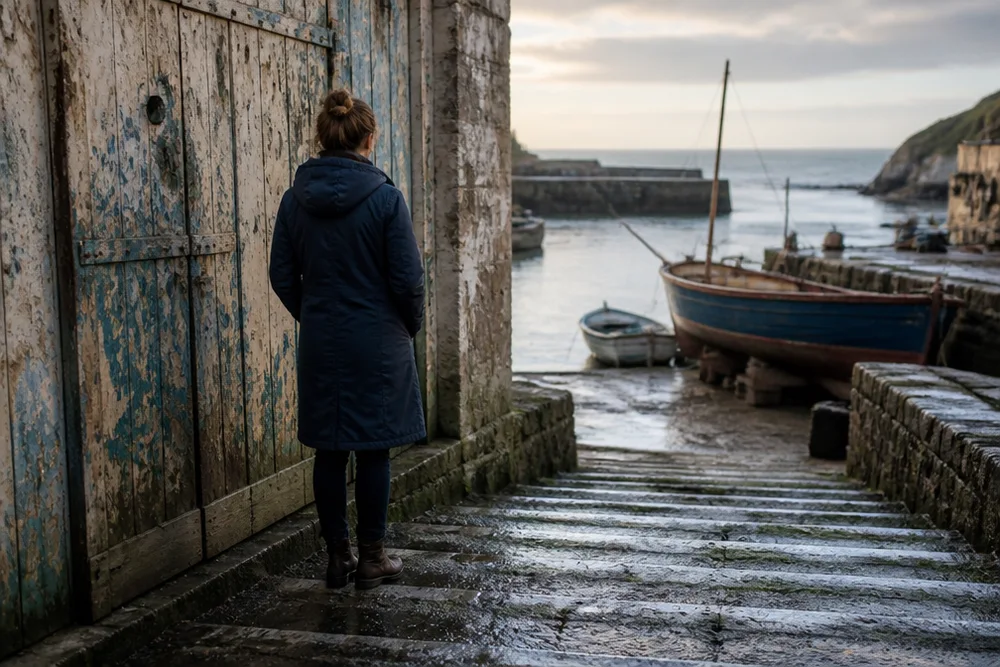
The Names Below High Water
At low tide, the old ferry steps are the only patch of Bracken Quay nobody owns. Frances Treweek wants to sell the family boatyard and leave town, but she promised her father she’d never say who slept there the night the sea wall failed.
-

The Town Beneath the Glaze
The smallest house in the museum’s ceramic model of a drowned valley has a removable cellar no one remembers building. Vera Jessop, a former insurance investigator, wants to finish cataloguing the model and turn the unused kiln room into a pottery classroom.
-
The Tide Takes No Witnesses
Her father’s ashes are packed, but Runa Westray won’t scatter them until the harbor board retracts its finding that he ignored a distress call during the flood. The island’s last ferry leaves at six.
-

A Stitch Below the Floodline
At the tidal archive, flood surveys are always made twice. Mara Elmskerry stitches the high-water marks onto linen; her granddaughter Nell Elmskerry logs them on a digital map.
-
The Quiet Before the Bells
At Nia Wigeonford’s final rehearsal for the vacant bellkeeper’s post, the winter bells are set to ring the instant the bridge gates close. They’re supposed to wait a full minute after the ferries stop and the gates shut.
-
The Bell Rings for Nobody
For forty years in Bracken Reach, one ring of the landing bell on a foggy night has meant the ferry’s last passenger is ashore. A ring from shore tells the ferryman he can go home.
-
The Tuesday Without a Whale
At the ferry terminal, clerk Ada Ebb is gathering signatures to save the town’s last commuter ferry when she notices the tide board’s Tuesday whale is missing. Retired typesetter Douglas Reedacre draws it every week, so Ada goes looking for him.
-
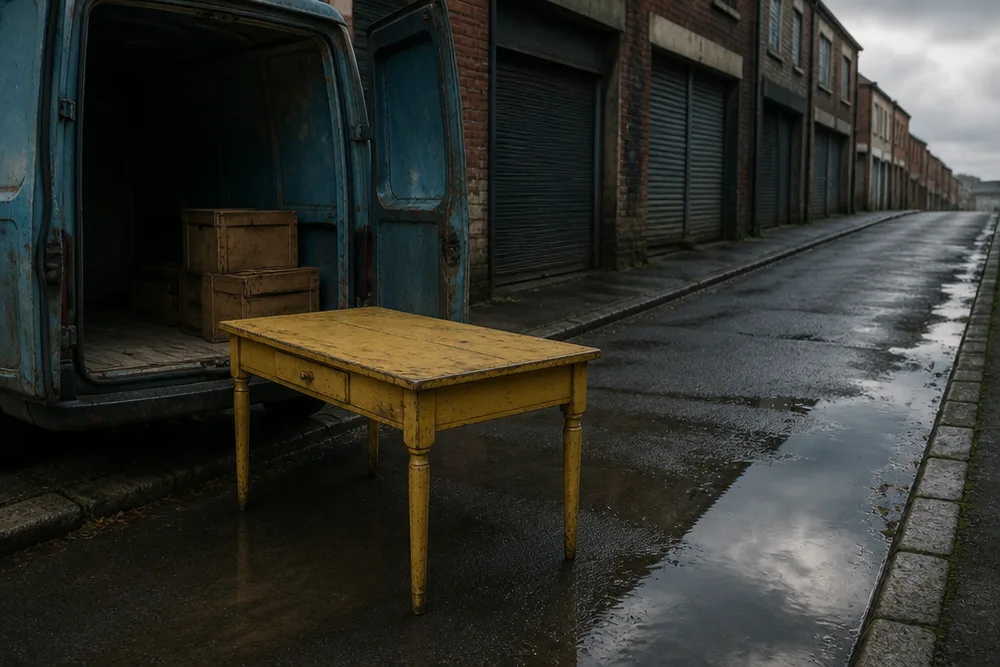
The Last Address Above Water
On Bellwick’s last dry morning, Verity Halewell sets out in her van to rescue her mother’s kitchen table before the reservoir gates open at dusk. She gives a stranded man, Oswin Ferndunn, a lift.
-
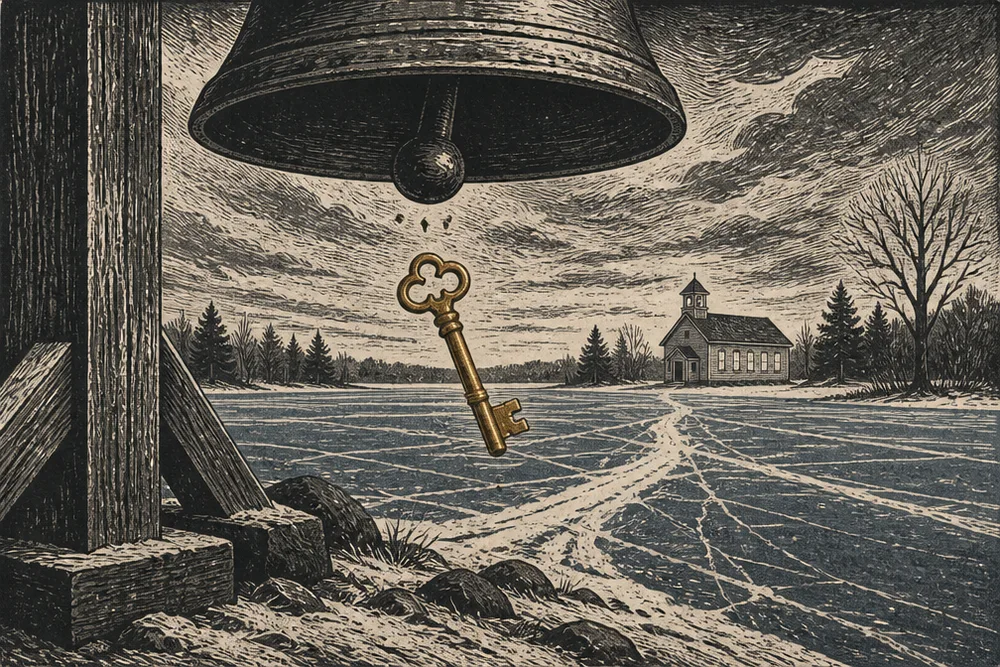
A Brass Key, an Untied Rope
In the reservoir town, the first freeze isn’t official until the shore bell rings and the bell beneath the ice answers. Zoe Hornstrake, the new water inspector, hopes to approve the winter crossing and earn a permanent post.
-

The Tide Has Two Witnesses
At the harbor cinema’s last matinee, Petra Anstey watches a dead man walk out of the sea. In a reel of home movies donated for the farewell show, he crosses the tidal causeway three days after he supposedly drowned.
-
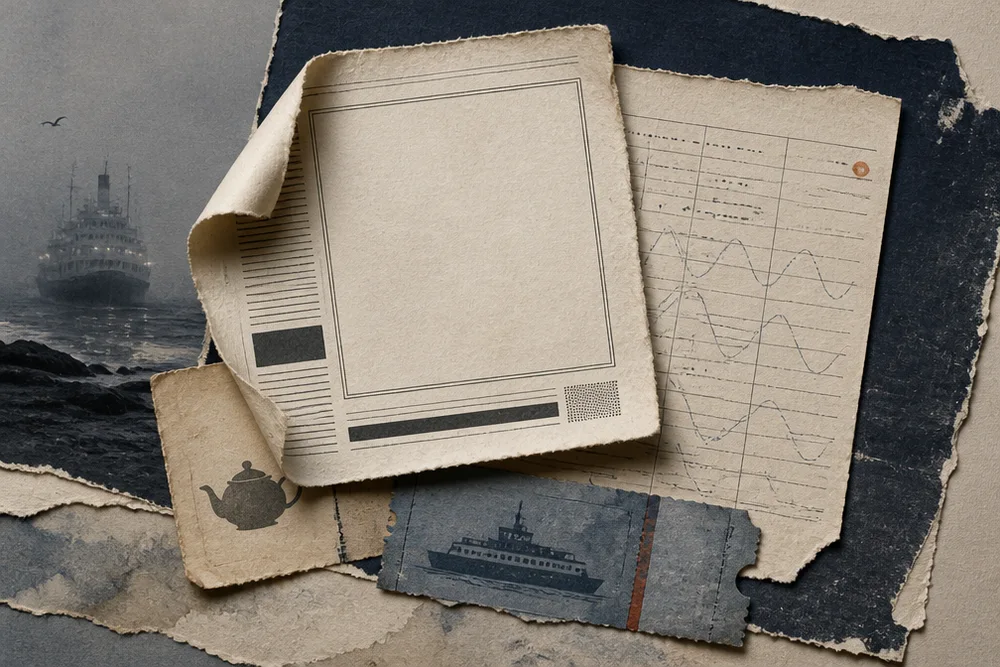
The Week Without a Teapot
The blank beside the tide table is the first thing Fenella Cresswell notices when she takes over the Brackenport Gazette. For thirty-one years, a tiny teapot has appeared there every Thursday.
-
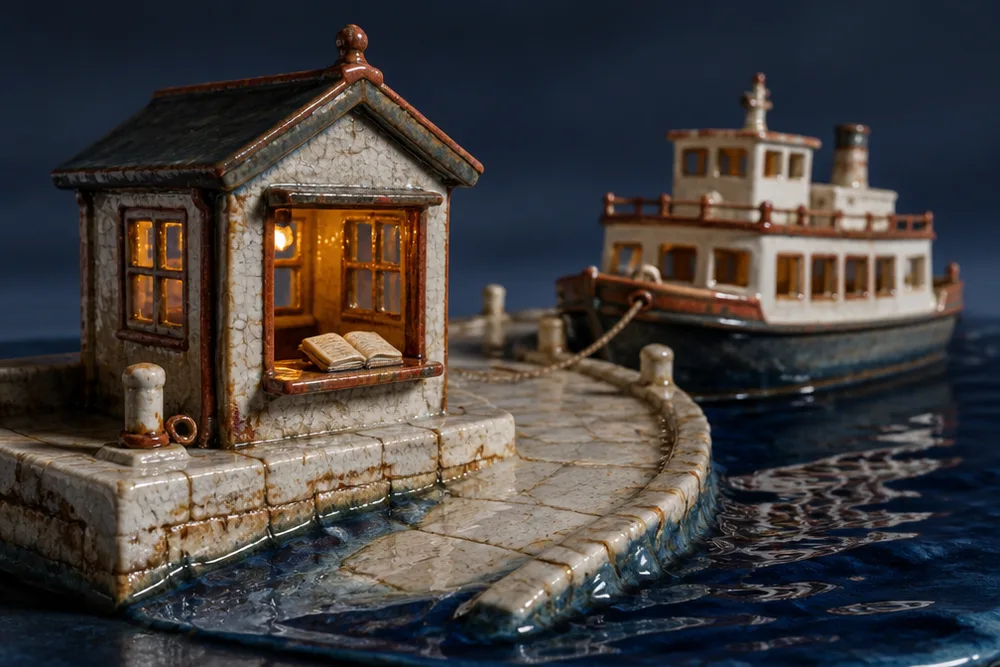
Six Names on the Radio, No Ferry in the Log
At midnight, six feet of water will cover the island’s only road to the mainland. Ferry clerk Tessa Ternick has until then to get a retired deckhand’s pension appeal into the mainland mail.
-

Twenty Minutes and a Flight of Stairs
On Tuesdays, Carys Quincemore crosses Brindle Quay’s tidal causeway after the warning bell. Waiting for the late bus would cost her an hour with her father over supper, and she’s trying to help him stay in his own flat through the winter.
-
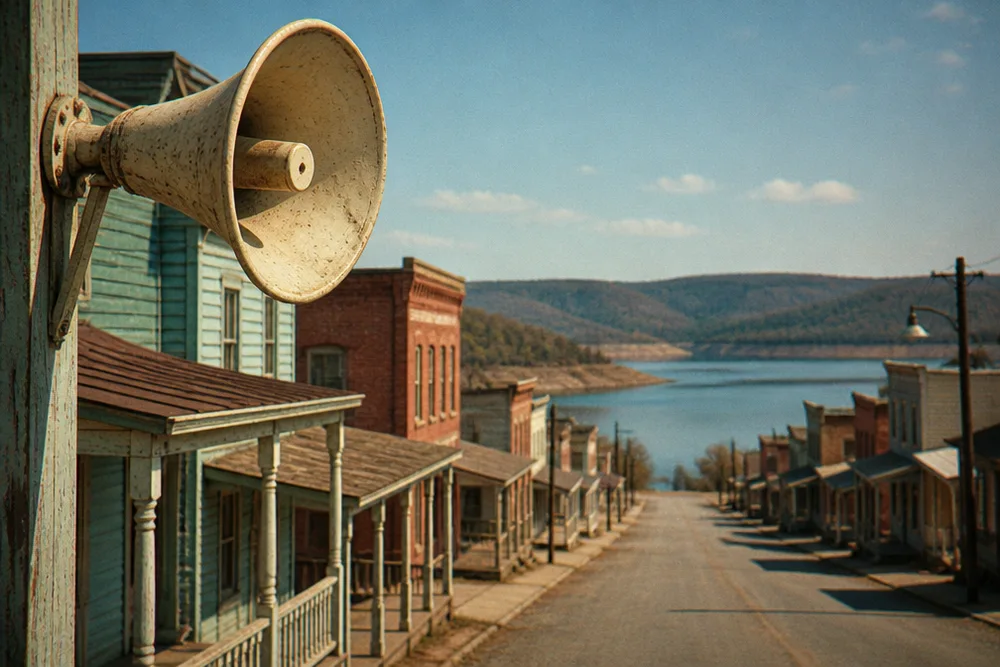
The Houses That Applauded
Every porch on Bellwether Street is empty when the applause starts. Jessa Dwyer has returned to the reservoir town to sell her late mother’s house before the water rises.
-
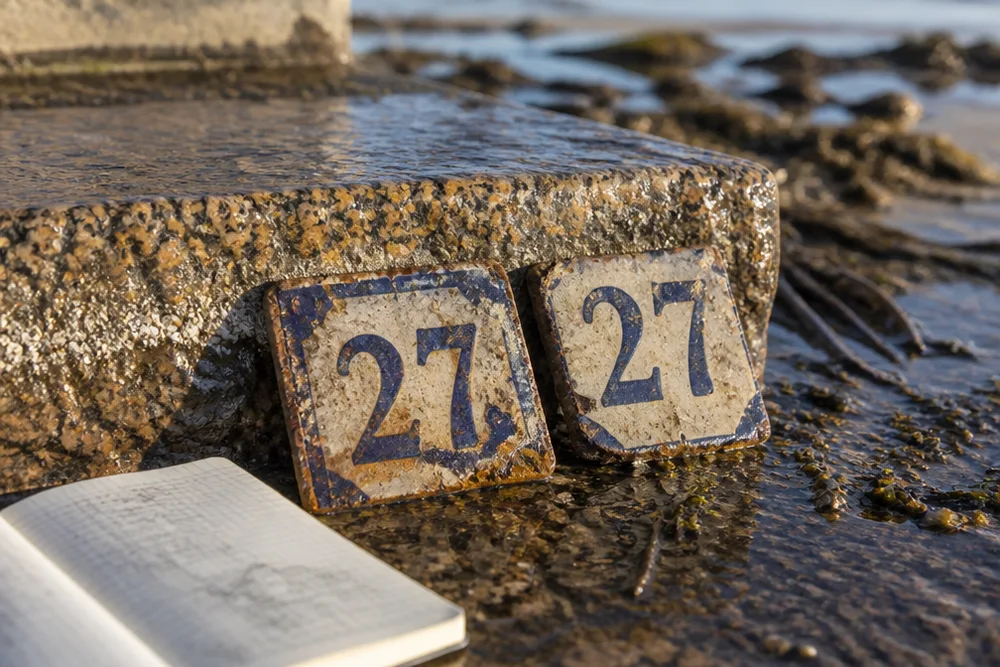
Two Doorsteps, One Deed Number
The tide still uncovers the doorstep of the house Quilla Eames’s grandmother swore she’d sold. Now a surveyor, Quilla wants the county to recognize her family’s claim before a new seawall seals the old waterfront.
-
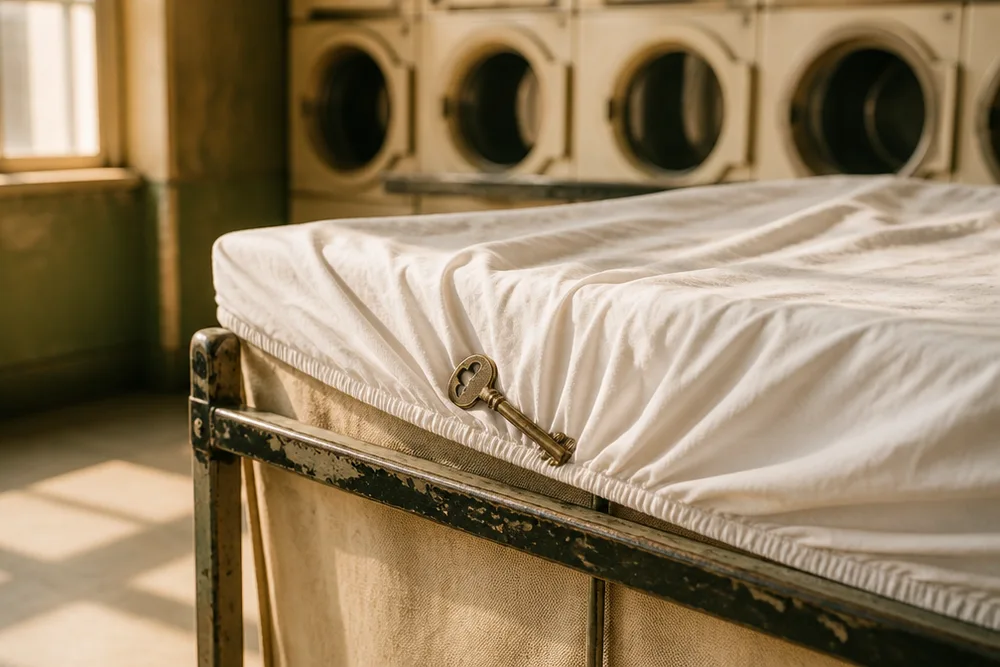
The Weight of Clean Sheets
The brass key drops out of a fitted sheet while Greta Ternick is folding the hotel laundry before Tuesday’s breakfast shift. The sheet is tagged for a room sealed since a fatal flood.
-
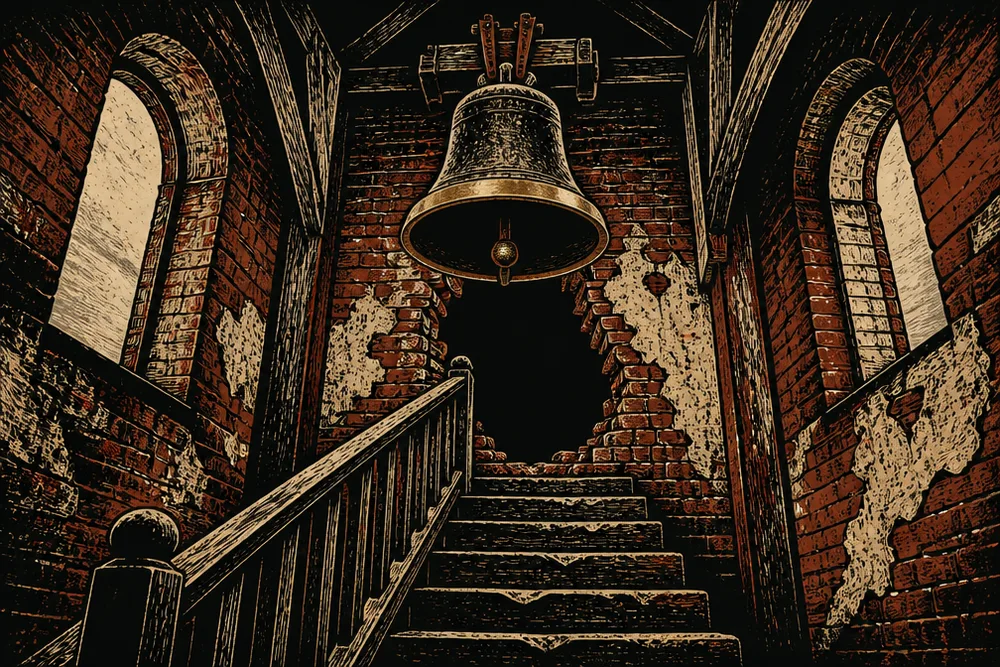
The Bell That Rang Dry
The river is gone, but every Thursday the flood bell still rings. Municipal records clerk Paige Windbridge has until Monday to get the condemned ferry terminal listed as a landmark.
-
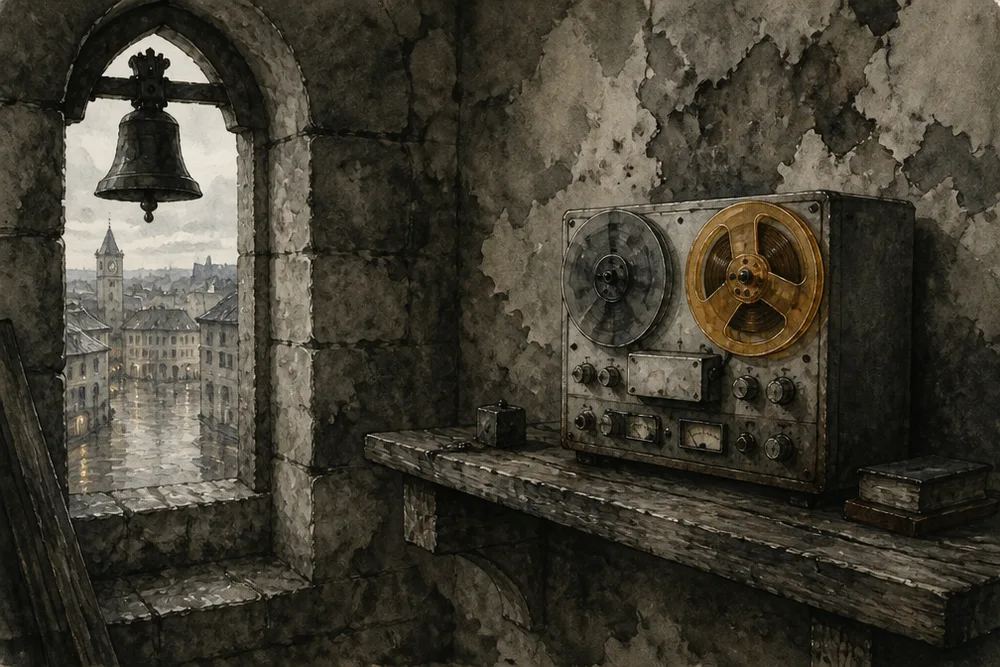
The Flood Register on the Loudspeaker
By noon on the first dry day of spring, everyone within earshot of the town bell knows what Willa Ivyhurst promised her dying mother: she would never let the council open the flood register.
-
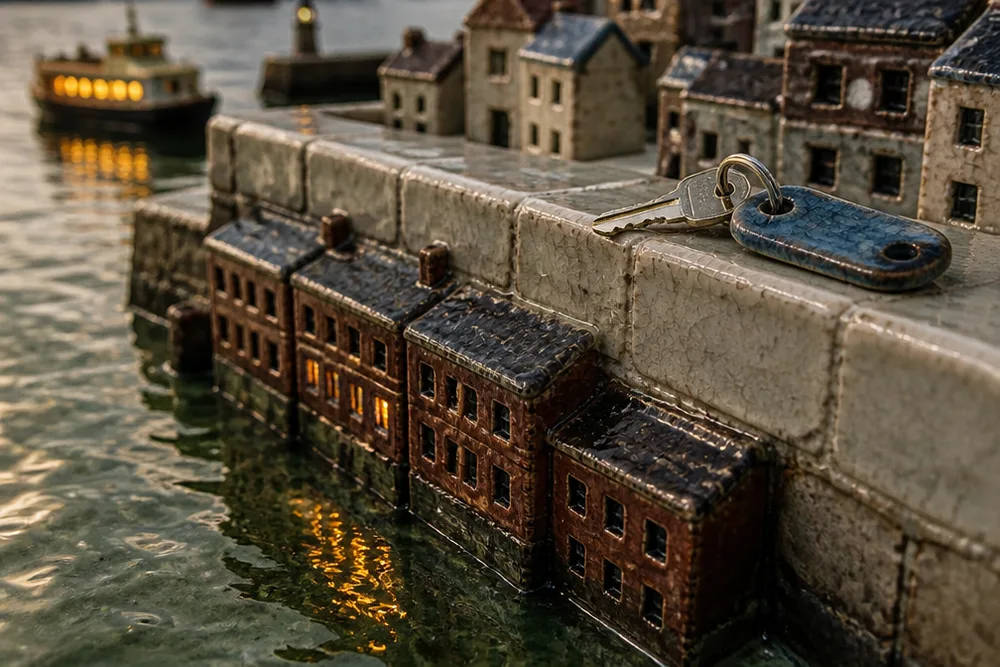
The Tide Takes No Names
The blue tag on the house key catches ferry dispatcher Anwen Ferrand’s eye. Someone has left it, dry, on the flooded side of the seawall at low tide.
-
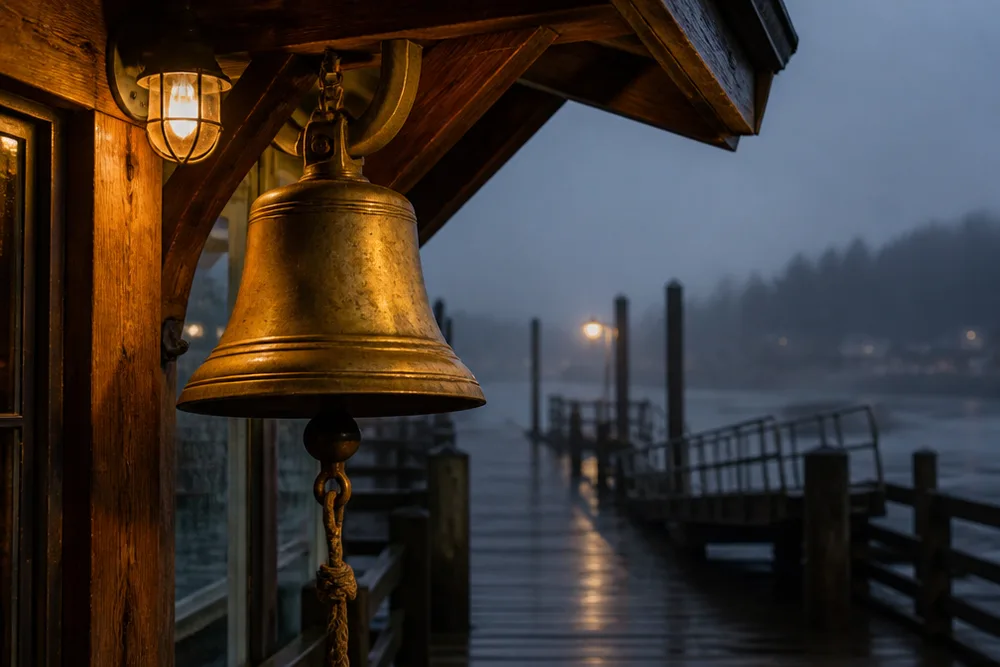
The Bell for Borrowed Names
On autumn’s first foggy night, the island ferry’s bell rings once for each household that wants someone brought home. Usually that means late-shift workers and schoolchildren.
-
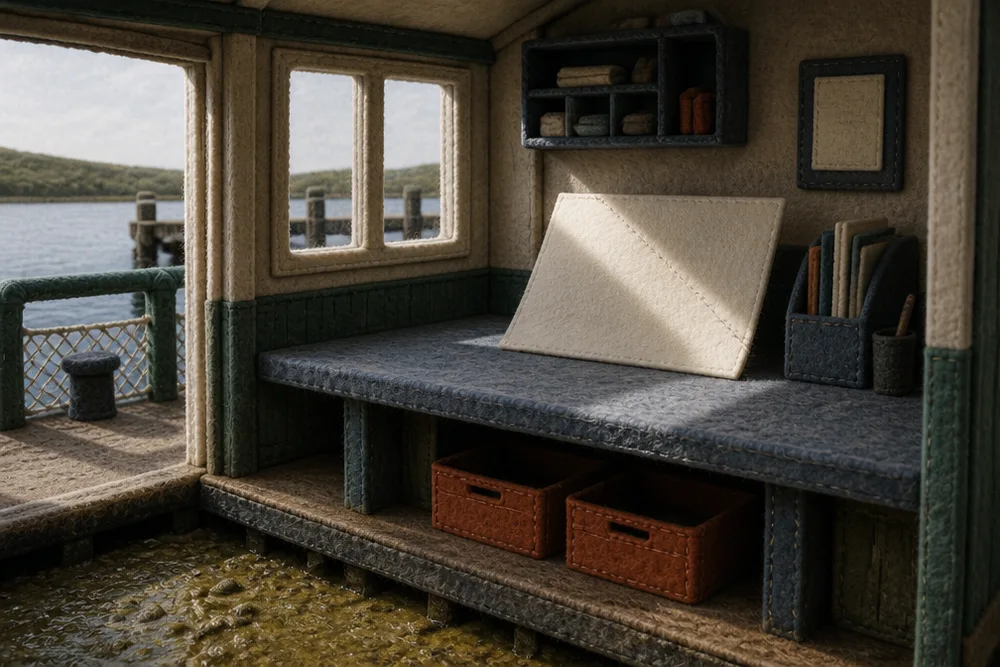
The Tide Has Two Ledgers
At low tide, the ferry office smells of oranges from the crates stored beneath it. Gwenna Lydgate has come for the passenger ledger that proves her late mother paid for a lifetime berth on the island’s only ferry.
-
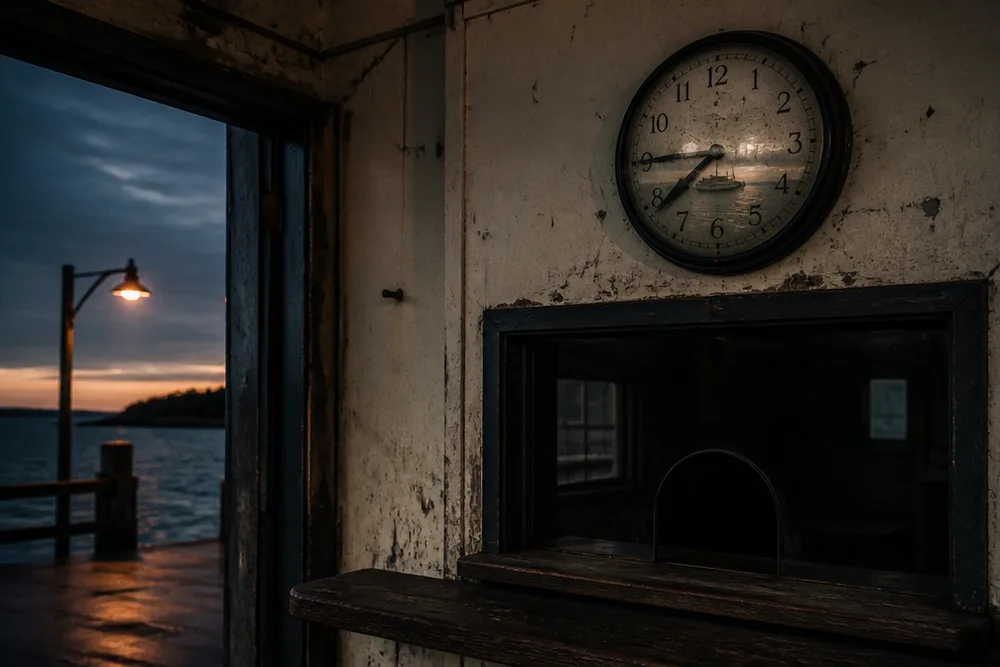
The Clock That Never Ran
No one is at the wheel when the season’s last ferry comes in at low tide. Hester Hollinken, the island’s relief dispatcher, had counted on a quiet final shift and a chance to get her mother to the mainland before winter service cuts begin.
-

Painted Steps to Stall 14
A year of saving has brought Fiona Kestrelstead within one paid errand of buying back her mother’s stall at the municipal market. Retired surveyor Oswin Mossmark offers her exactly what she’s short: carry a sealed envelope up the cliff stairs and bring it back unopened.
-
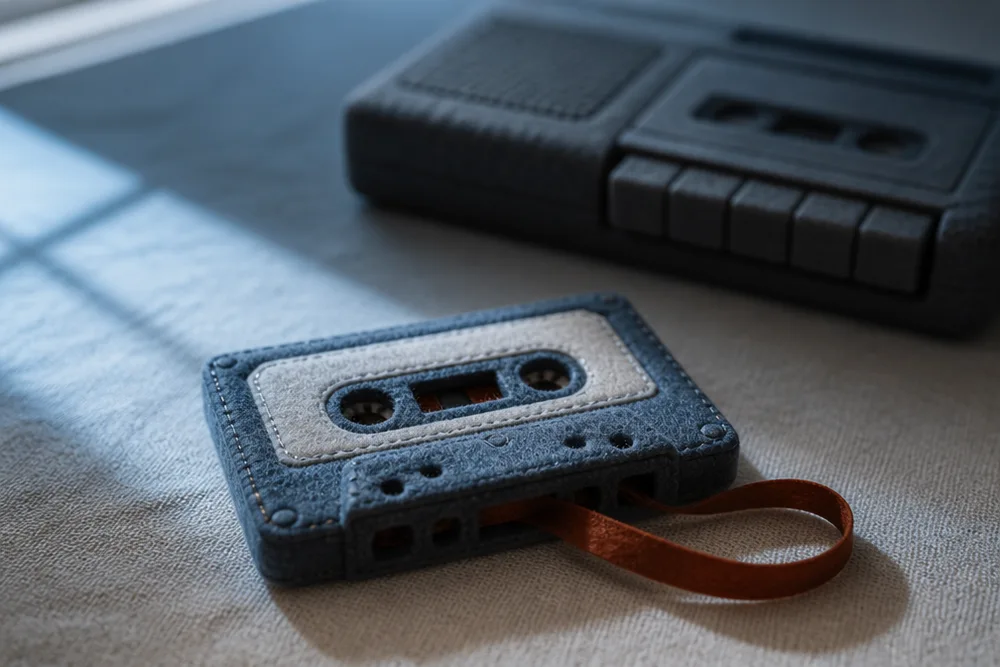
A Silence With Room Tone
The municipal sound archive closes for good on Friday, and Hester Thornholt has until then to get a copy of the only recording she has of her mother’s laugh.
-
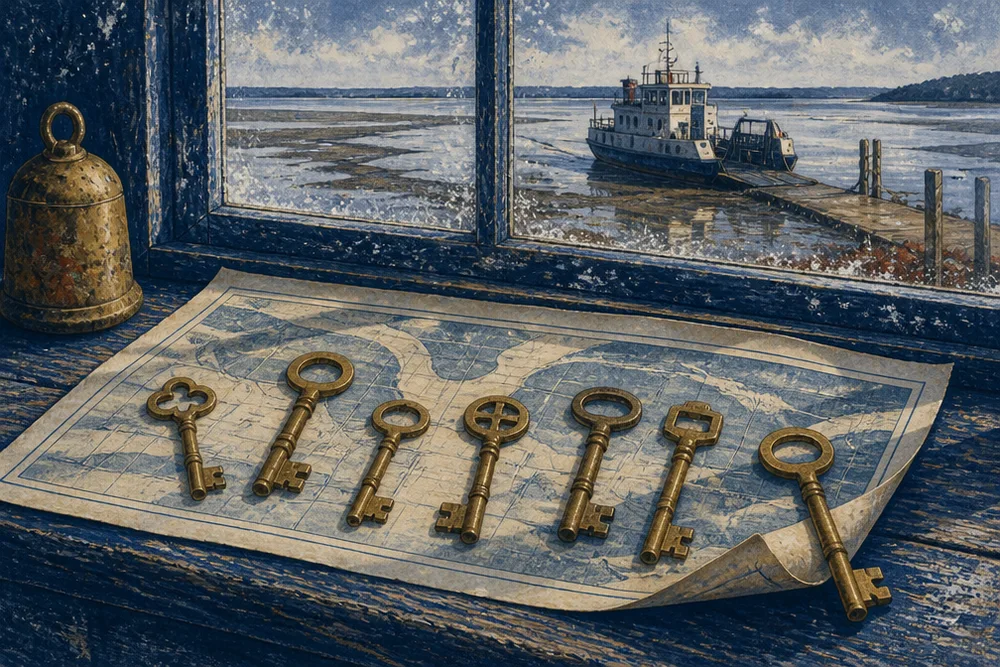
Seven Keys Hold the Last Ferry
At low tide, Lena Sabledunn finds a stranger’s flat key in her mailbox. By noon, six more have arrived.
-
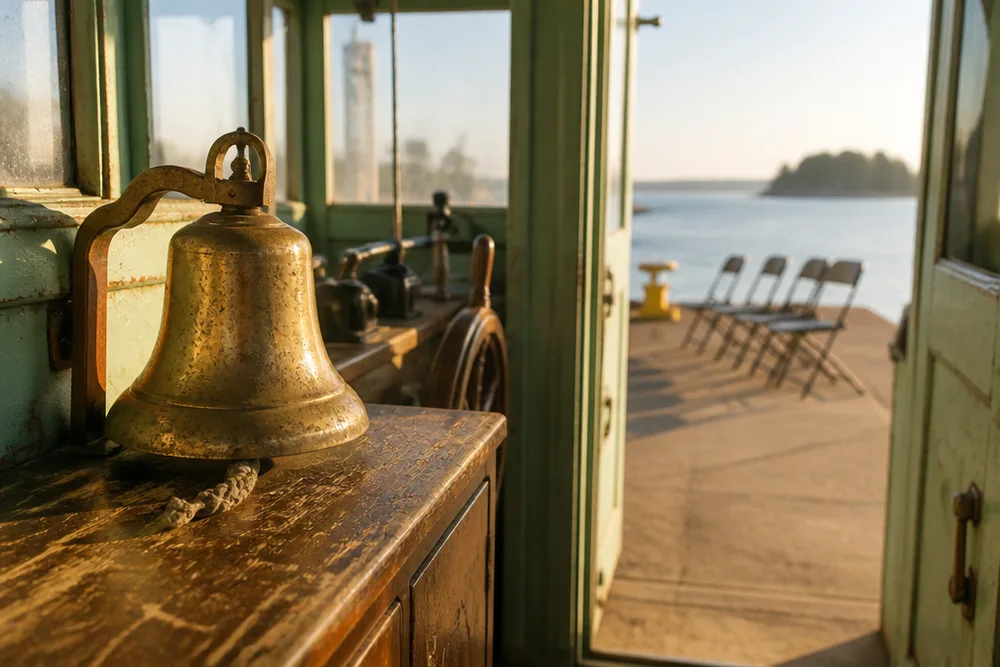
Fog at the Private Slip
Mara Sellick unfolds chairs for the auction of the island’s last ferry. She needs the proceeds to buy a mainland flat for her father, who can no longer manage the crossing.
-
Nobody Signs In After Six
The municipal map room closes at six, but Greta Briarview, the clerk who locks it, knows who comes in afterward. The night cleaners eat there, the surveyors borrow maps, and her mother used to sneak in to trace the footpaths she walked as a girl.
-
The Flood Map Has Seams
The first house to vanish from the city’s flood map belongs to Hana Nettlescairn. On Friday, the city will use that map to decide who gets relocation money before the river gates open.
-
A Ferry Log for the Dead Woman’s Buyout
Ida Driftmarsh rings the brass bell outside the old ferry office on April’s first dry morning. In the sinking estuary town, a bell rings outside each house whose owners have agreed to sell, so neighbors hear the news before the buyout office posts its list.
-

The Names Beneath the Cups
On Lowri Wethervale’s final Friday at the last canteen in a Welsh slate town, a felt coaster peels off a chipped mug as she rinses it. Scratched into the base are a woman’s name and a locker number.
-
The Bell Beneath the Platform
Vera Haldane has priced the bronze in the bell beneath Platform Three by the kilo. It hasn’t rung in forty years, and selling it will help her buy the repair shop where she’s spent half her life fixing other people’s clocks.
-
The Tide Keeps Two Ledgers
With her late mother’s chandlery sold and just enough money for a flat inland, Kerensa Wethermark plans to catch Bellwade’s last ferry at six. Then soft-spoken Quillan Avenell tells her his sister’s grave marker was misnumbered.
-

The Cup for Nobody
Every morning, the cup on the market stairs holds a slip assigning the next empty stall. When a fishmonger retires, the stallholders tell Winifred Verdantock to set out the cup herself at closing time.
-
The Address Below the Waterline
Every Tuesday, a woman collects her mail at the old ferry office. According to the survey attached to her clearance notice, she’s dead.
-
The Islands We Left Out
A passenger steps off the last ferry of the night and asks Mara Husham to leave the waiting room unlocked so she can shelter there until morning. Mara knows what it’s like to miss the last boat.
-

The Favor at Low Water
On her last night as the dam’s dispatcher, Sella Whistleford means to finish a recommendation for the apprentice taking her place. By dawn, the reservoir will cover the old road for another year.
-
Nobody Signs the Night Book
The night book at the estuary’s last ferry stop is meant to record crossings, not names. That rule began as a courtesy to passengers who needed to leave without explaining why.
-
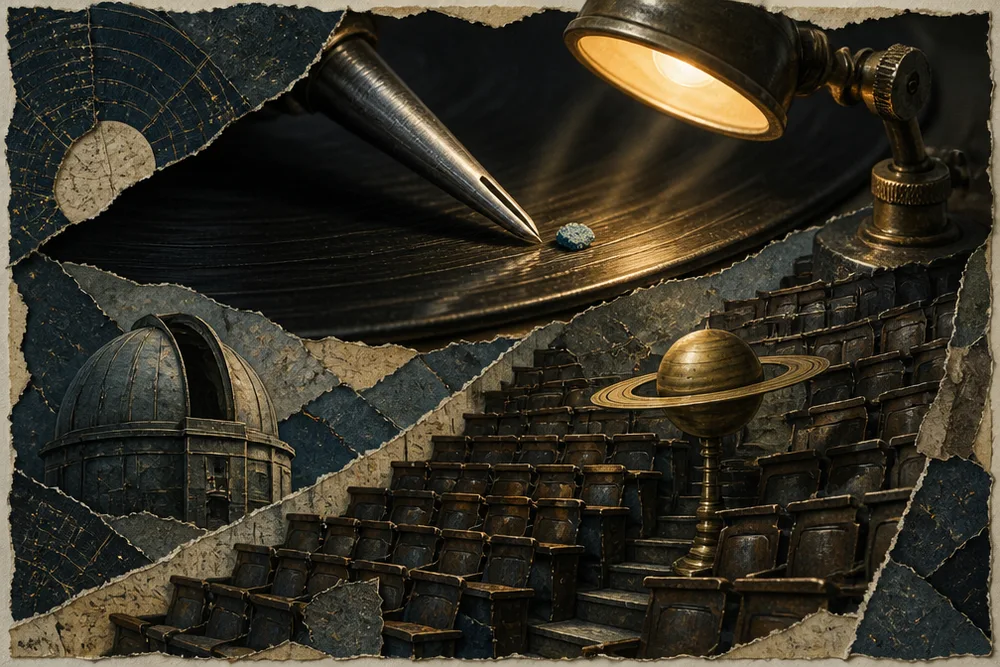
A Seat Behind the Stars
Every morning, Celia Wigeonwold plays the previous day’s recordings to check the mountain observatory’s phonograph. Today she lifts its worn needle to fit a replacement, and a fleck of blue wax drops from the old shank.
-
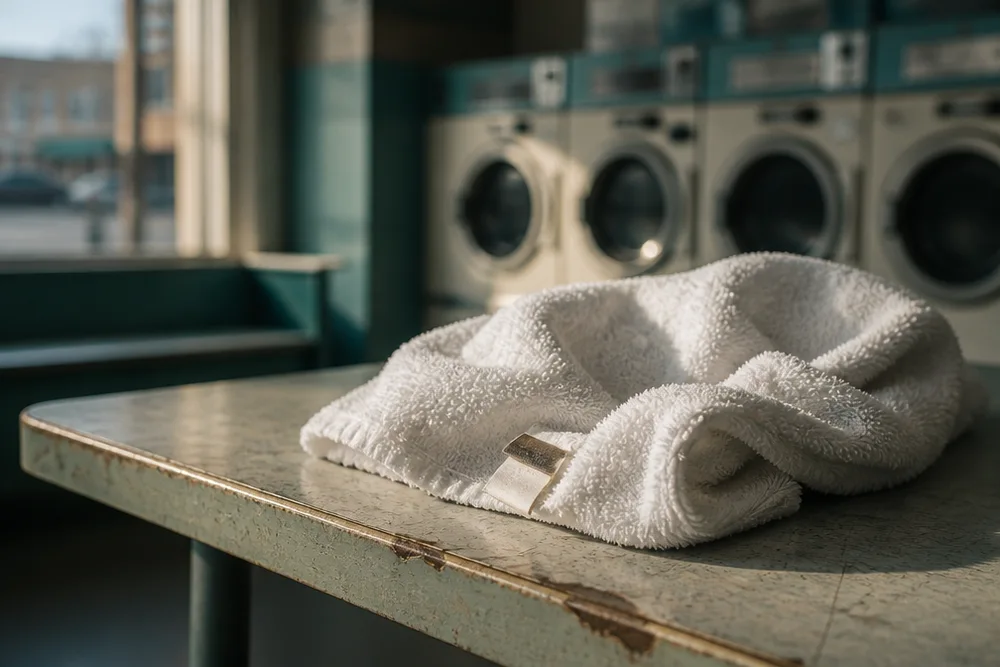
The Towels Came Back Damp
Three weeks after her mother’s death, Willa Silversett is folding towels before opening the till at her mother’s laundromat when she finds one that’s come back damp. A room number is penciled on its care label.
-

The Towel Lists Room Numbers
The damp towel leaves a name and a room number on the warm folding board. Della Halverwick has been folding laundry at the municipal baths since before the first ferry, saving to buy the lease on the shuttered café where her mother once served breakfast.
-

The Doors That Counted as Ferry Tickets
By Friday noon, the reservoir has dropped low enough for survey clerk Hannah Quincecley to read the names painted on doors that haven’t seen daylight in thirty years. She has one weekend to certify the village as unoccupied before the water rises again.
-
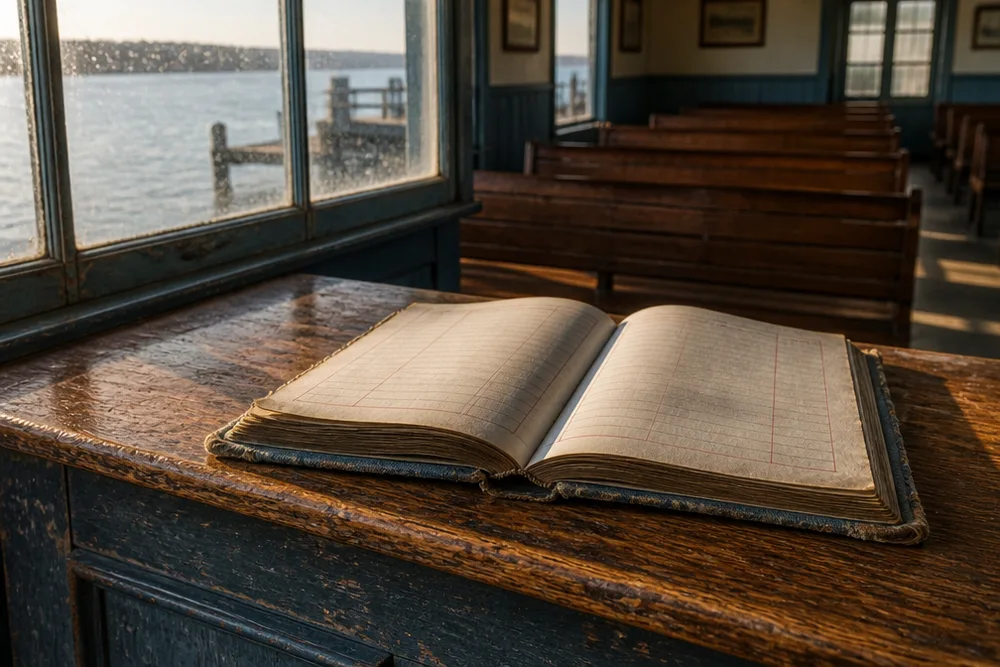
The Last Temporary Address
On the Monday before the old ferry terminal closes, a woman brings Kendra Wildwold an eviction notice for a house she owns outright. For six weeks after the floods, displaced residents can use the terminal as their official mailing address.
-
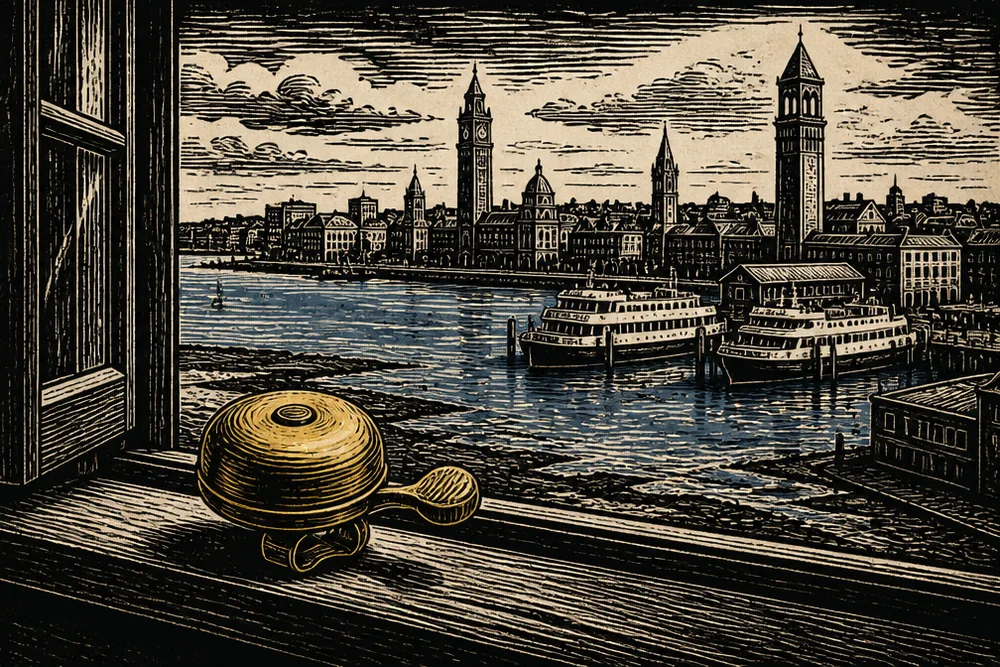
Soup for a Ferry That Never Sailed
At noon on Sounding Day, every ferry in the harbor stops and twelve brass bells ring. Municipal archivist Agnes Larkspurnock has until the last stroke to certify the founding ledger, a task that should finally make her temporary post permanent.
-
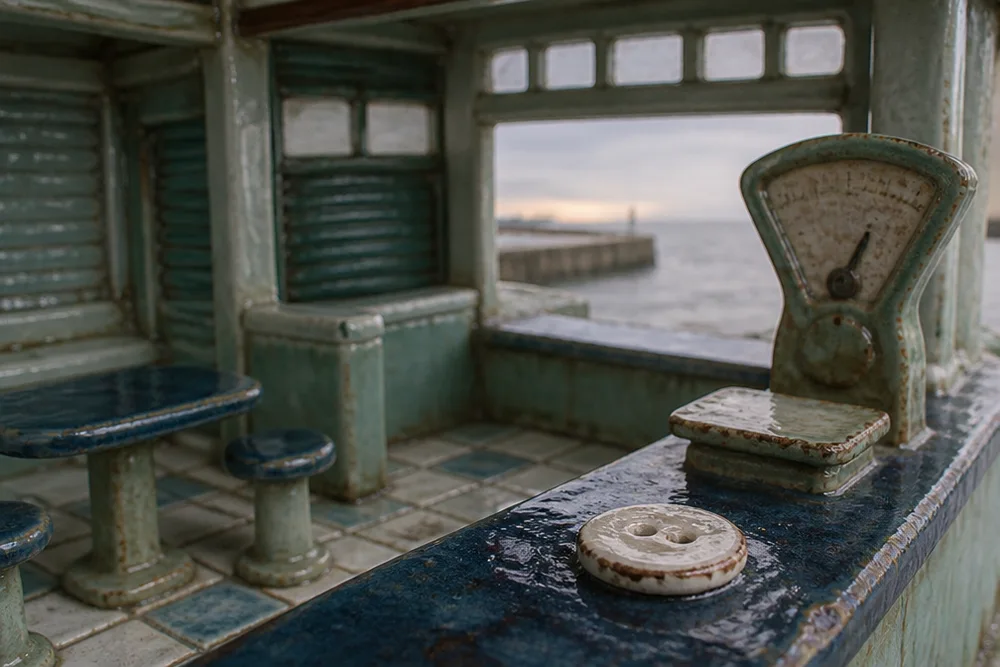
The Weight of a Button
By noon, Sylvie Bristlekest means to sell her late mother’s ferry café. She needs the money more than she needs another keepsake, but she sets a chipped ceramic button on the counter.
-

Six Nights at Low Water
All Rona Spindlerow wants is a dry floor beneath her cot for six nights. In the shuttered ferry terminal, night caretaker Willem Flintsett gives flood evacuees a place to sleep as long as they take turns tending the boiler.
-
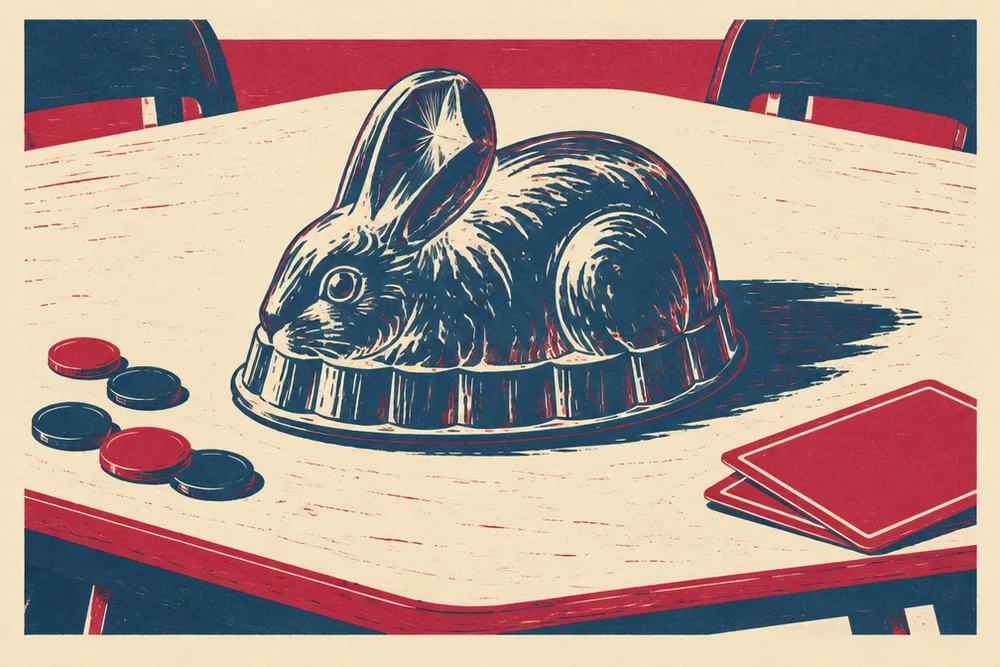
Jelly in a Missing Shape
Tessa Brindle wants to serve one last raspberry rabbit at her mother’s memorial, but her aunt claims the battered aluminum gelatin mold was only ever on loan. Before either can settle ownership, the mold vanishes from a display at their old elementary school.
-

Count the Hare Three Times
Three hares sit on Sabine Rüegg’s workbench, and the ledger insists they are one. At a remote alpine wildlife museum, the taxidermy conservationist is preparing a loan that will pay for a new roof.
-
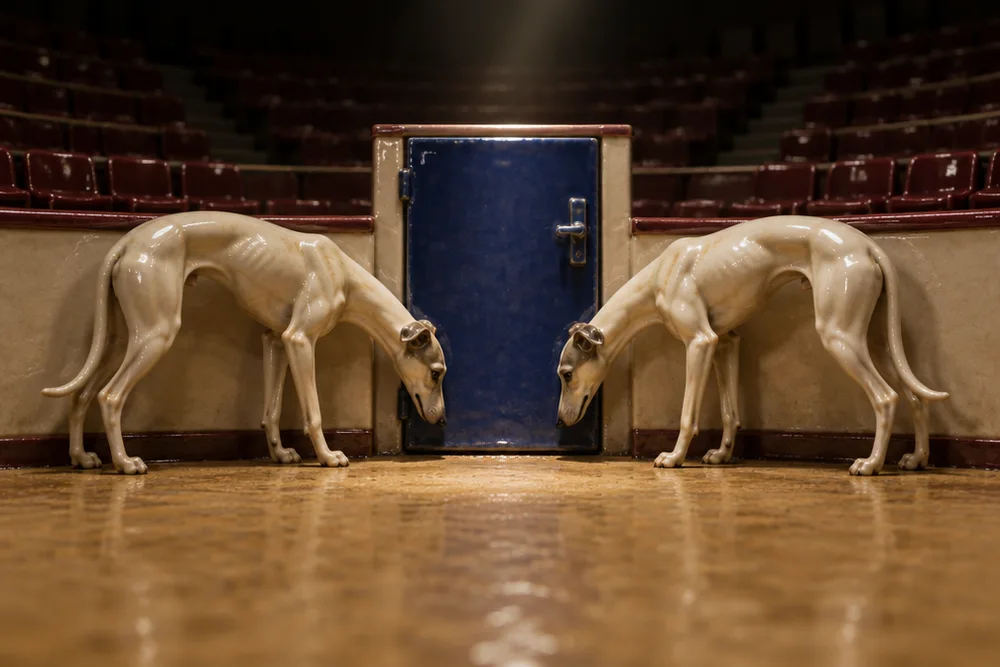
The Sit That Stopped the Show
Sylvia Trent needs her brother’s signature before the county arena’s dog revue closes for good: she wants to adopt the show’s retiring greyhound. On leave from hostage negotiation, she’s promised not to turn a family visit into a job.
-
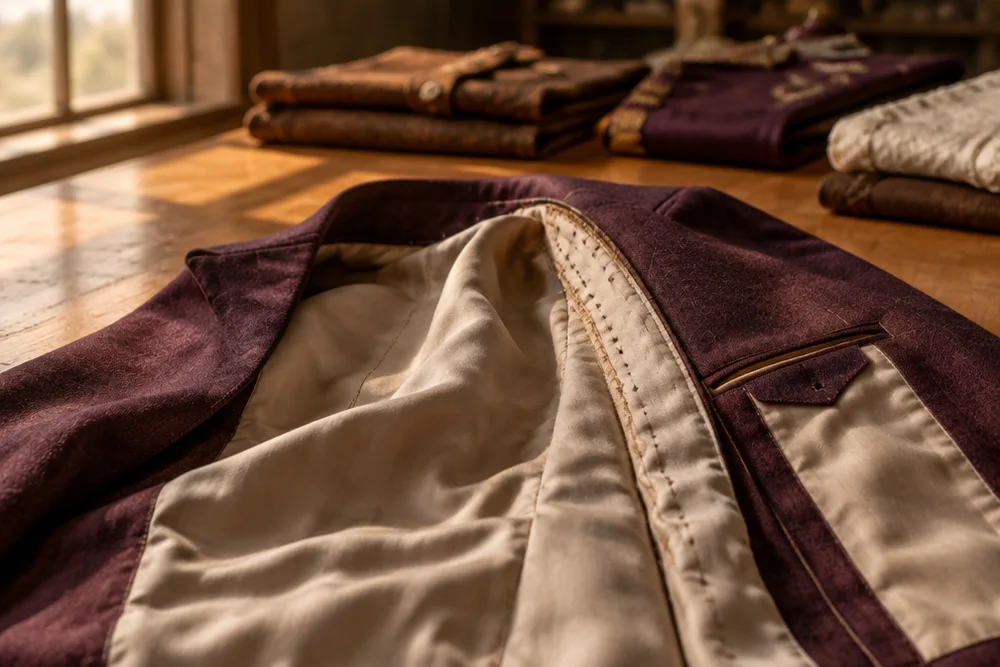
Grade Between the Printed Sizes
The auction catalogue says no dinner jacket was ever made in a 39½, but that’s the size sewn into the plum jacket at the bottom of the returns pile. Rowan Haylewick, a Deaf pattern grader, has until the theatrical costume auction’s final session to certify all thirteen returns.
-
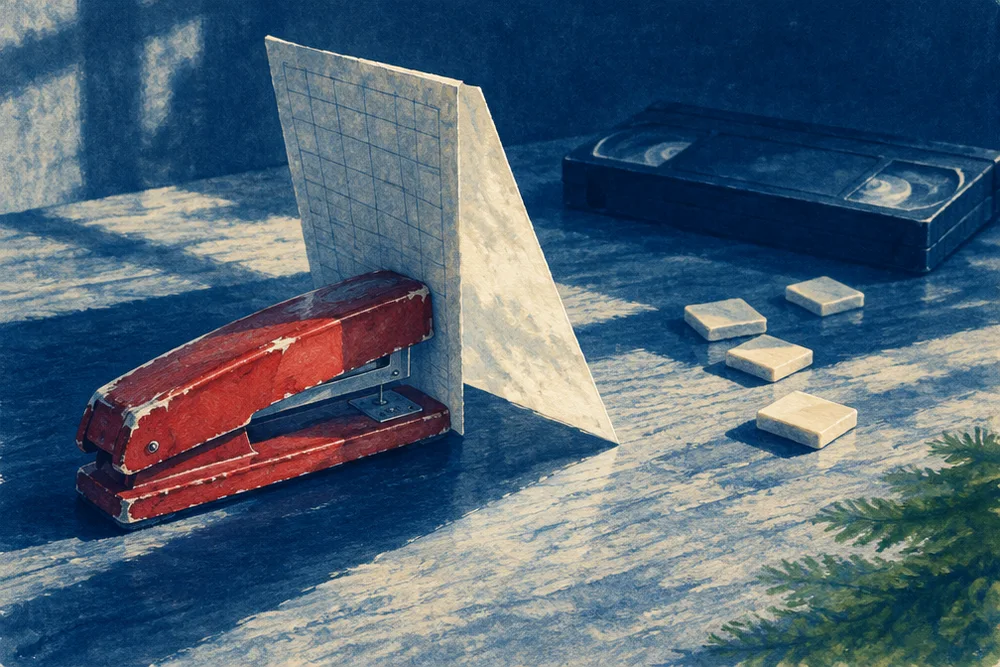
Leave the Score Sheet Showing
On the Christmas tape, Fiona Davies watches her mother lose a Scrabble final by one point and prop the score sheet against a stapler. A competitive Scrabble scorer herself, Fiona checks the arithmetic before she rewinds.
-
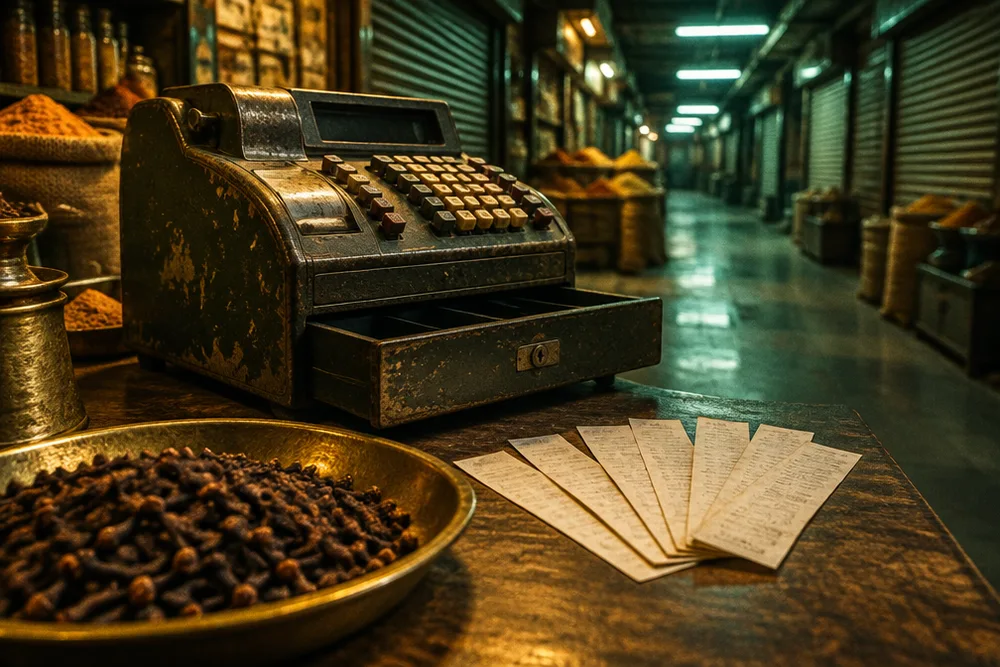
An Hour Weighed in Cloves
At closing time in the Saffron Arcade, regulars round up their purchases to buy the cashier a paid hour off. The custom works until a newcomer asks to buy an hour outright and wants a receipt.
-

A Wheel With Two Owners
The cooperative insures bicycles, but the claim on Vikram Elsavadi’s desk is for one wheel. Vikram subscribes to the co-op’s contested insurance plan and has volunteered to sort disputed claims before a vote that could end it.
-
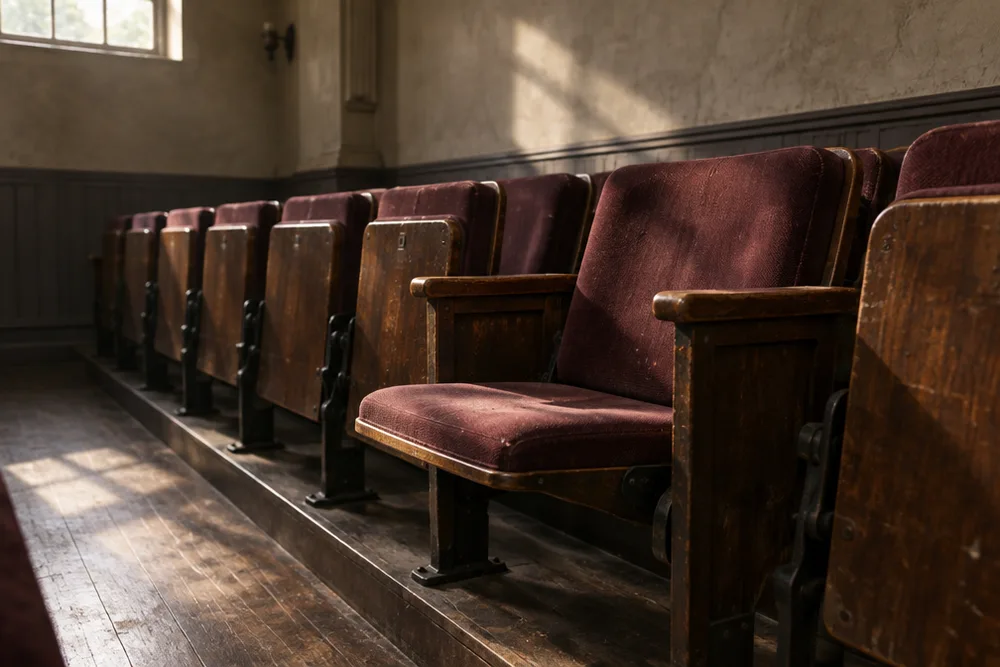
The Seat That Stayed Down
At the shuttered Turnstile Cinema, every football short ends the same way: the crowd files out and the wooden seats clap upright. Then Pilar Vosperga restores an unused reel in which one seat stays down.
-

One Table, Two Receipts
Every morning, Janusz Krowani clips yesterday’s catering receipts to the kitchen rail and checks them against his bank deposits.
-
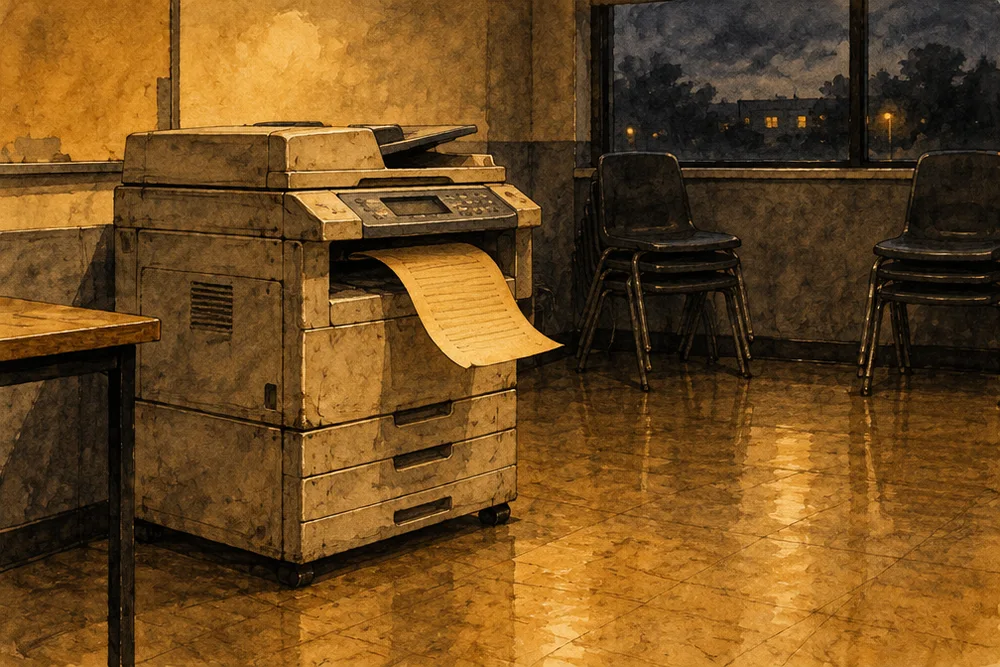
The Copier Remembers What We Erased
On training night at the Morrow Ward civic annex, the old volunteers teach election sign-ups by reading each form back to its applicant; the younger crew scans for missing fields and keeps the line moving.
-

The Spine Keeps Its Shape
The third copy has never held a word. Mireia Bolzanet mends books in the bindery at Flintcross College, where she hopes a flawless repair on three copies of an old examination manual will earn her a permanent post.
-

Dust Where the Keys Were
Khalil Brannouk cleans keyboards in the basement of a municipal library archive, hoping to earn a permanent bench before his contract runs out.
-
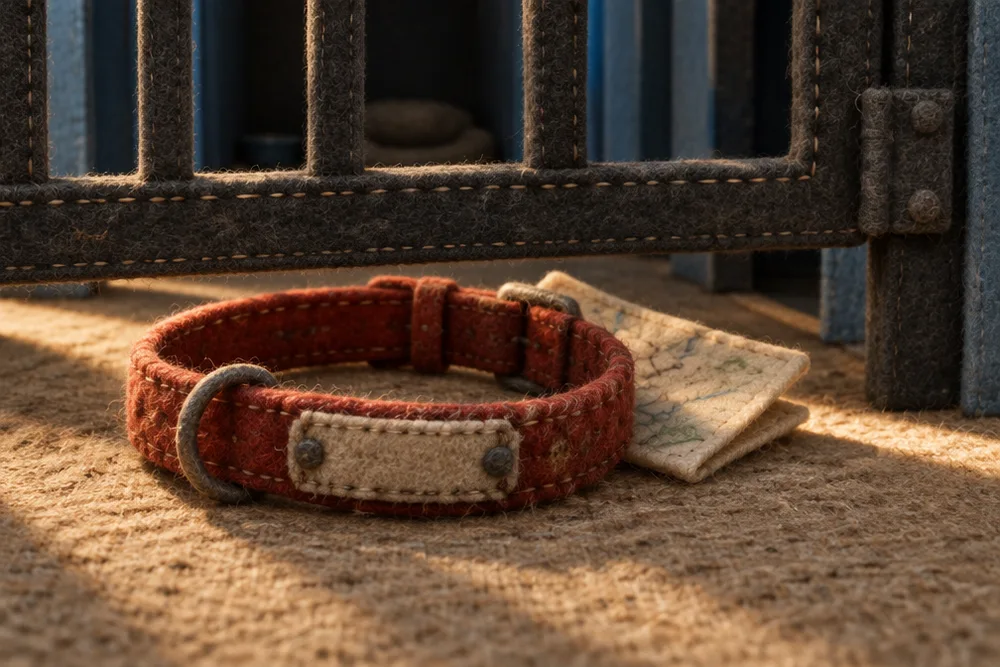
The Collar Under Kennel Six
Franka Tisovec volunteers for the night shift at a cash-strapped animal shelter to find the stray her father has been asking to adopt. By feeding time, she realizes every kennel has been relabeled.
-
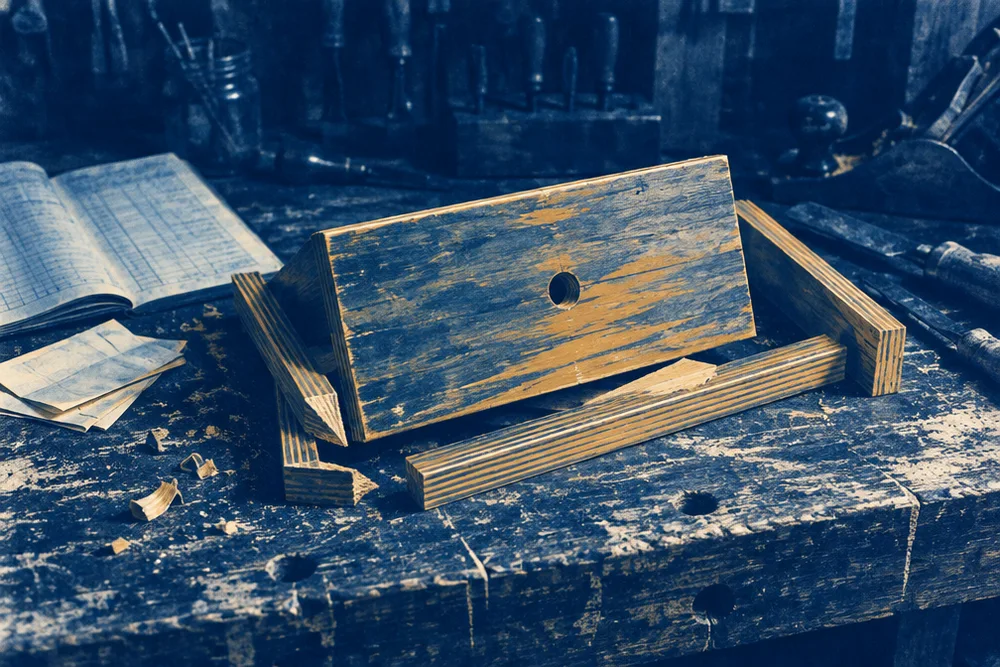
Credit for the Offcuts
The anonymous notes in the maker shop’s suggestion tin don’t ask for refunds. They ask for their names back.
-

The Floors They Pressed After Closing
At the municipal salvage auction, Bastian Knelliger and a secondhand hardware dealer make a joint bid on a crate of elevator buttons. He wants a replacement for the dead call button in his repair shop.
-

Where the Greenhouse Keeps Winter
The municipal greenhouse has forty-eight lemon trees on paper and none on the floor. Marit Ahlberg, its newly hired horticulturist, has until Friday’s budget hearing to reconcile the count and keep the city from closing the free winter garden.
-
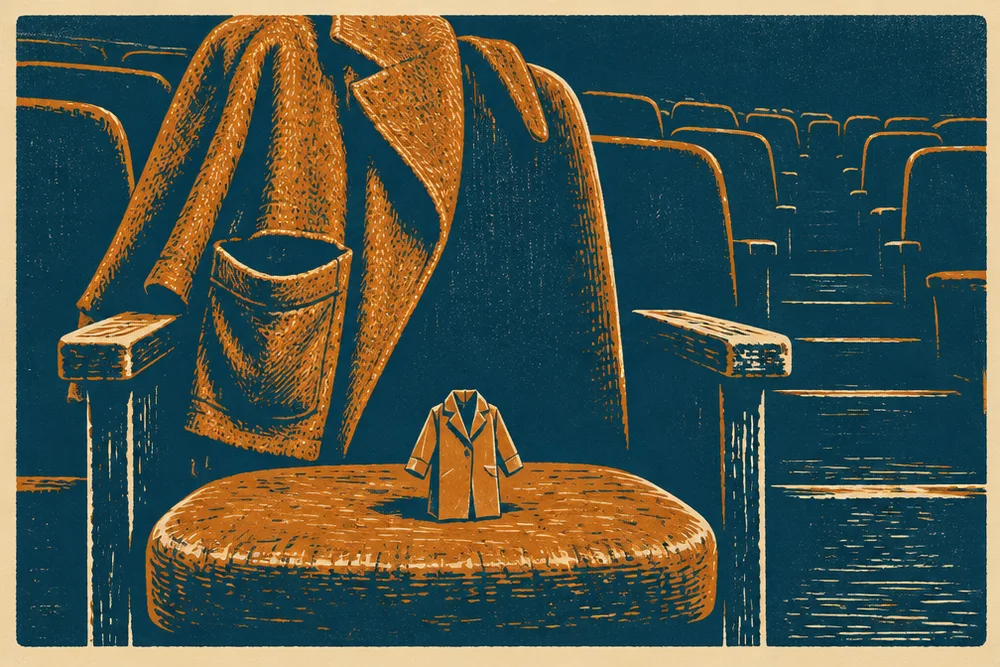
A Coat for the Wrong Stage
The paper coat has a seat number tucked inside its collar. Ruth Hesketh, the school caretaker, recognizes the numbering from the old community theater, not the newer one where the pupils rehearsed that afternoon.
-
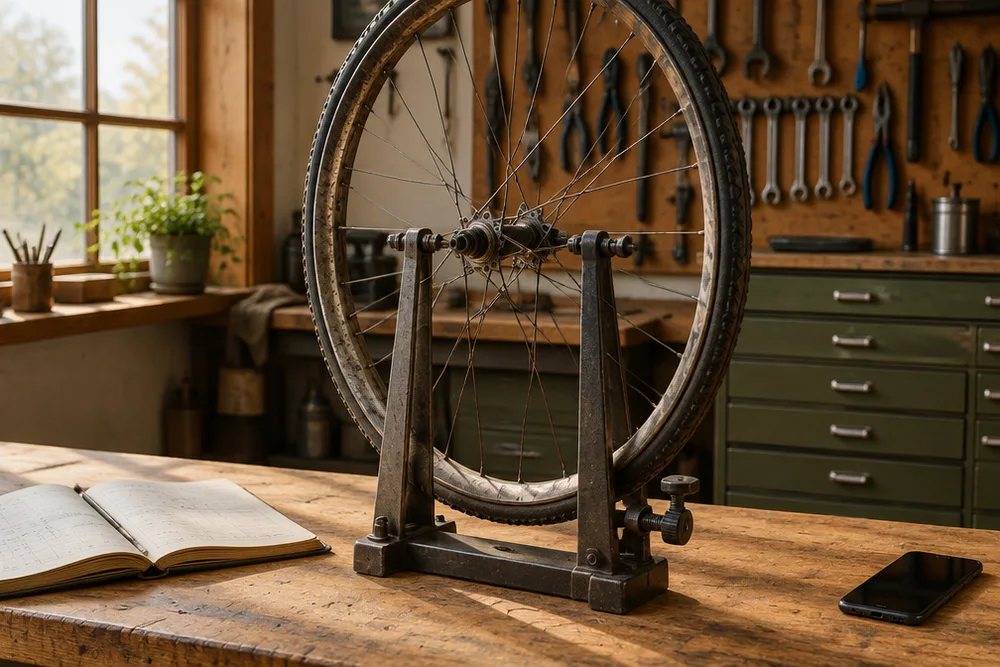
Two Names for One Hub
On the morning she’s supposed to buy the bicycle shop from her uncle, Soraya Temime finds a rear hub with a crooked star stamped into its shell. Gunnar Hjelven has spent forty years logging wheel repairs on paper; Soraya photographs each job before she touches a spoke.
-

Where the Yellow Squares End
Every fourth square along the bottom of the market mural is yellow. Adela Quillan knows the pattern from twelve years of serving soup across the aisle.