The Names Beneath the Hem
Page 241 of 249
Chapters
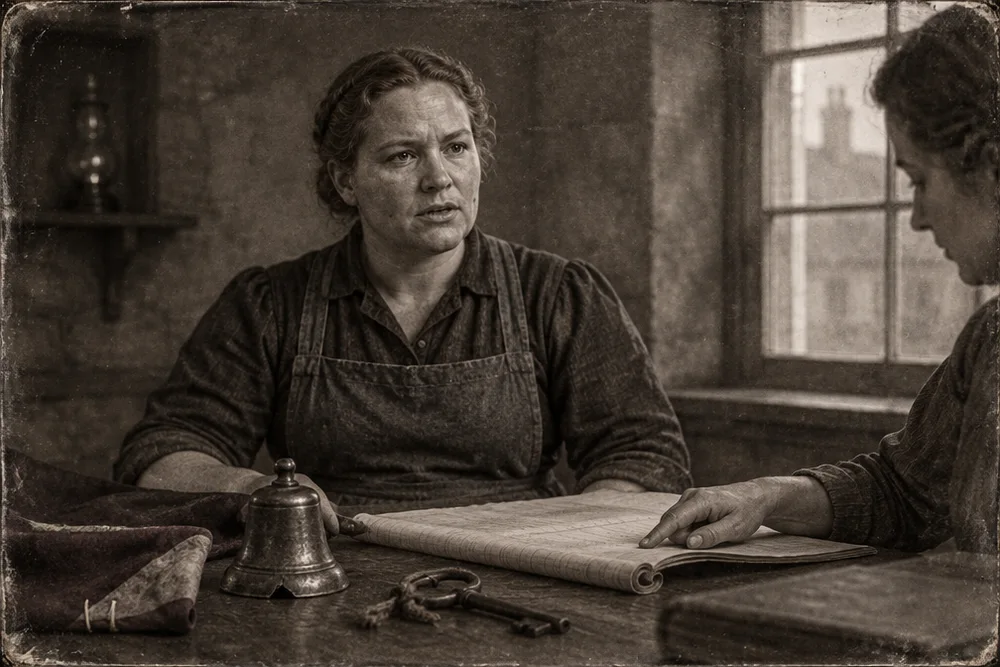
Hester put her finger on the relevant rule. “The requirement is a named beneficiary and dues properly received. The slips show the name and the quarters. Martha’s testimony and Nell’s tally agree. The membership was lawful under the rule, though it was hidden from management.”
Nell held her shoulders square. “You may have questions about the rule. You may not call me Martha’s charity.”
The woman looked down at the roll. “I did not call you that.”
“You asked whether I was there. I have answered.” Nell sat again. No one moved to make the moment easier for her; that, too, was a kind of respect.
Martha’s eyes were lowered to the table. She did not reach across to touch Nell, and Nell did not turn toward her. Lettice felt the old impulse to explain what the two women meant to each other, then let it pass. There were matters that belonged to the people who had lived them.
Hester entered the correction in the margin: sponsorship verified; member recognized under both surnames. She wrote the date and asked Nell to initial it. Nell did so with a blunt, decisive stroke.
“That is settled,” Hester said. “If anyone wants to amend the rule for future sponsorships, we can put that forward as a separate question. It will not remove the entry we have just verified.”
The woman nodded. “I’ll read the rule before I speak next time.”
“That would save us all time,” Hester said. She turned the page. There remained the rent schedule, the repair reserve, and the question of who would keep the washhouse accounts. The meeting carried on.
When the business was done, Hester brought out the rent book. She assigned the first repairs against the row and listed the washhouse income separately, as the lease required. Tunstall’s loan was secured against the agreed rents, not against a promise that every tenant would remain forever. The terms allowed rooms to be let as they fell vacant; they did not give the coal merchant immediate possession or a right to choose successors at will.
“If the carters come,” Lettice said, “their rent must be entered beside everyone else’s.”
“Of course,” Hester said. “A rent book is not a moral judgment. It is a record of what is owed and what is paid.”
“And if someone cannot pay?” Martha asked.
“Then the trustees hear it and decide under the deed. They do not make the debt disappear, nor do they take a person’s sick allowance without consent.” Hester shut the book gently. “There is room to be merciful. There must also be a way to see whether we have been.”