The Morning We Closed Up
Page 75 of 236
Chapters
That was the question the room kept asking. The beloved workbench took up floor space they could have rented by the hour; its worn surface had no booking fee, no return on investment. Yet a kitchen made only of things that paid for themselves would be just another place that treated people as interchangeable shifts. The figures did not resolve the problem. They only showed where it was.
“I’ll price it before I buy anything,” he said. “And we decide together.”
“Good.” She set both hands on the old top. “Then let’s find out whether it can be moved at all.”
The first attempt proved the bench could not be moved as one piece. Rafael found that out with his shoulder, not the tape measure. He and Yvette lifted the near end just enough to slide a furniture dolly beneath it. The other end scraped the floor, caught on a raised patch, and stopped hard. The bench shuddered. Yvette lowered her side at once.
“Wait,” she said. “The floor’s lifting.”
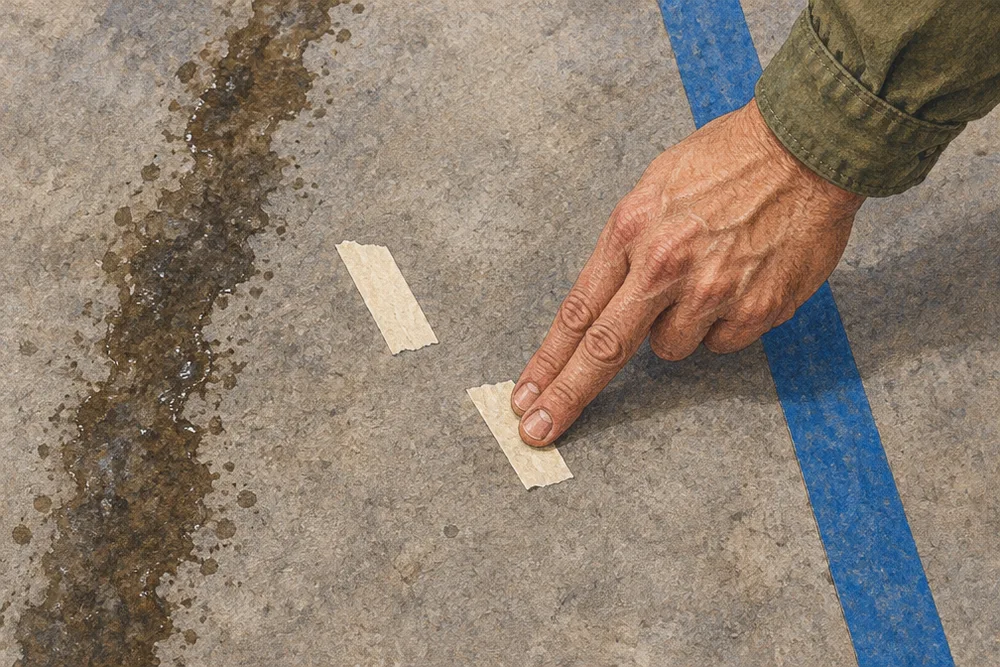
He let the weight down carefully. Under the rear leg, a thin line of moisture darkened the concrete. He pressed the edge with a screwdriver. The surface gave a little, a damp crumb breaking away under the metal. The bench had been hiding it. He felt his stomach contract—not panic, exactly, but the familiar arithmetic of one repair arriving with another tucked inside it.
“That’s why it wouldn’t slide,” Yvette said. She crouched, jeans cuffed above her work shoes, and leaned closer without touching the wet patch. “We need to see how far it goes.”
Rafael fetched the moisture meter from his tool case. The first reading was high; the second, a few inches out, was lower. He marked both on the floor with masking tape. The route line passed close to the damage. They could not simply roll the bench aside and pretend the concrete was sound. They would have to find the source, patch the floor, then set the frames beyond it.
“I can take the bench apart at the joints,” he said. “Then we won’t need to drag it.”
“You can?”
“I think so.” He heard the hedge. “The legs are pegged and glued. If the pegs are still intact, I can ease the joints. If they’re not, I’ll make new ones.”
Yvette straightened. There was flour on one sleeve of her coat from the day’s clearing, a white smudge against rust. “How much time?”