The Lake Has Office Hours
Page 108 of 276
Chapters
Verramont’s jaw shifted. “There is no assurance another application would be funded. Meanwhile, the buildings remain exposed.”
“You keep saying exposed as if people living there are the danger.”
“They are not the danger. Their presence makes a spill corridor unusable.”
Maren’s hands had curled into fists. She forced them open. “You can evacuate people when the water comes. You don’t have to erase their homes before it does.”
“Evacuation depends on warning, access, and time. Those are not things we can guarantee.”
“Neither is a demolition grant.”
“The grant is approved, contingent on acquisition and clearance.”
There it was: the conditional hinge beneath the whole plan. The money did not follow a confirmed lake rise. It followed an empty parcel roster and a cleared route. Maren looked at the red line until it stopped being a diagram and became an inventory of people she knew.
“If you repaired the drain, the corridor wouldn’t be needed in the same way.”
“Perhaps. But repair alone would not eliminate the risk. The works would still need a defined overflow area.”
“And that area is my shop.”
“Your shop and the neighboring parcels.”
He did not disguise it. That, too, was useful. Maren could take the truth back to the others without having to translate it from a euphemism.
They walked to the outlet again. Verramont opened a small inspection hatch and shone a flashlight into the channel. The beam picked out damp concrete, a fringe of roots, and a dark obstruction farther in. The water made almost no sound there. It had nowhere to go.
“Could your crew clear the blockage before the next rain?” Maren asked.
“We could attempt it.”
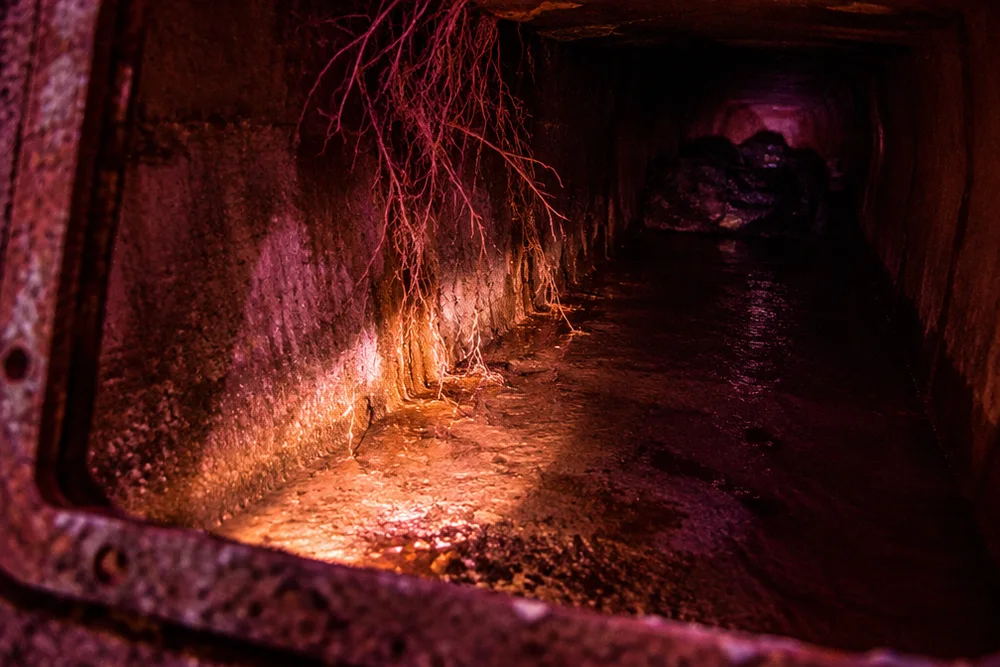
“Will you?”
“Not without a work order.”
“You’re the property director.”
“I’m not the drainage supervisor.”
The answer had the polished edges of a division of responsibility. Maren knew how such edges worked. In her old job, callers could be passed from dispatch to utilities to emergency services while water rose through a doorway. Each handoff created a record. None of them made the water move.
“Who has the work order?”
“Public works.”
“And the grant?”
“My department.”
“Can the grant be used on the drain?”
“Not under the present terms.”
The flashlight went out. Verramont closed the hatch. For a few seconds they stood in the shade of the causeway, with traffic passing overhead. The low rumble traveled through the concrete and into Maren’s shoes.
“Why show me this?” she asked.
“Because you believe the county’s account is false.”
“It is.”
“Then you should know what the corrected account would still need to face.”