The Bell That Cost a Ferry Landing
Page 47 of 284
Chapters
Across the water, the market road disappeared behind a stand of willows. The coaching inn’s lamps were visible in the deepening dusk, a row of blurred sparks. The crossing she had just made was not impossible. It was simply costly in ways a fare could not always name: extra strokes, extra minutes, extra strain upon a body already committed to doing the next trip.
She untied the skiff and hauled it up against the bank. The boat’s keel slid through the mud with a soft sucking sound. Rosamund went back to the landing and took the chain in both hands, testing the ring once more before she left it for the night.
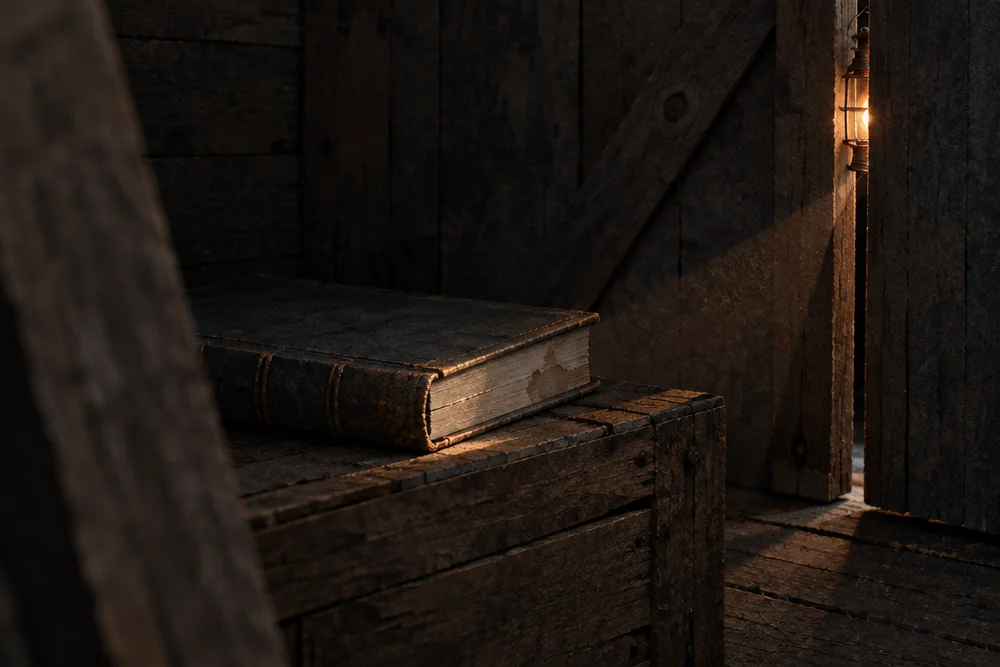
She had kept a list of expenses in the back of her mother’s old account book. The pages were stained where river water had reached them, but the figures remained legible. Tar. Rope. Oak boards. Nails. The carpenter’s week. The borrowed money. She carried the book inside the little shed at the landing and set it on a crate beneath her lantern. The empty space after the last entry looked larger than it had when she first wrote the total.
A shilling was not a sum to frighten her. A shilling on every outward trip and another on the return was. If she carried four loads in a day, and paid for a hand whenever the ebb made the approach difficult, the rental would eat the margin she had hoped to save for repairs. She could charge more, but Blythe’s crossing was already established. Passengers would choose the yard rather than pay extra for Rosamund’s uncertain berth.
The commissioners’ lease was meant to settle that uncertainty. If they approved her landing, she would gain regular passage rights and could collect a fare without borrowing her rival’s bank. But Peregrine Cleeve had called the ground beneath the new landing questionable, and the commissioners had not yet found the old channel that Rosamund believed the bell’s note had revealed. Until they did, she had no sound certificate and no sure berth.
She closed the book. The lantern’s flame shivered in a draught through the shed’s warped door. Outside, the tide went on draining, drawing the water away from the landing and toward the lower reach. At her feet, the packed mud remained dark and soft. She thought of the bubbles she had seen beneath the bottom step, each one rising and breaking with a small, clear sound. Perhaps they had been trapped air. Perhaps they had come from the buried culvert the surveyor had dismissed as scrap.