A Chipped Sugar Bowl and a Missing Street
Page 227 of 243
Chapters
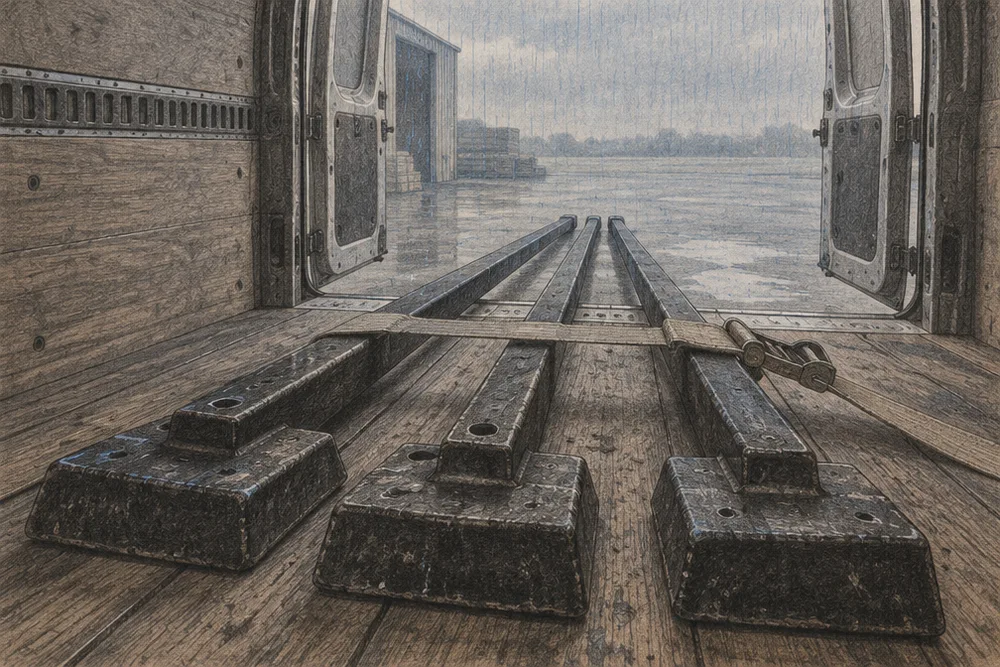
The depot’s heated air smelled of wet wool and machine oil. Beyond the bay doors, a crew loaded barrier feet into the back of a van. One worker checked the straps twice. Another called out the number of cones, and someone marked the count on a board. The ordinary motions had weight because the water had not arrived yet. There was time to place the barriers before a crossing became a trap, time to check the doors while the path was dry.
Beth had not come to inspect whether anyone cared. She had come to see whether the town could act without borrowing her hands. For a moment she stood by the map while the depot carried on around her. A radio hissed and settled. The driver moved the van forward. A clerk brought a fresh mug to the duty desk. Nothing in the room depended on Beth remaining at the door.
She crossed the yard toward the bus stop. Wind pushed rain under the edge of her scarf. Across the road, the estuary showed between two warehouses, a dull pewter strip with the opposite bank lost in mist. At the terminal, Ada would be opening the repair shop, lifting the shutter and laying out tools beneath the sign that directed anyone seeking flood help to the staffed depot. The terminal’s old door was no longer a refuge by accident. The new sign made that plain.
Beth checked the time. The alert was still hours away, but the water had already begun its slow, invisible work of changing the distances between places. She pictured the marked underpass, the barriers ready to close it, and the steep rear stairs waiting above the row. She pictured the duty desk with two people at it, one listening and one able to send help while the call continued.
She had learned, during the first flood, that the worst moment could be the small pause before someone answered: a gap in the line while a caller searched for the right word, or while the person at the desk tried to decide whether a detail mattered. Now the map did not answer for anyone. It did not tell the desk who would be home, or whether the rear stairs had been blocked by a fallen branch. But it offered somewhere to put those questions. The operator could ask, record, and act without first discovering that the street was missing.