A Chipped Sugar Bowl and a Missing Street
Page 173 of 243
Chapters
She had also asked for the sign to say that the shop was closed, not merely unstaffed. Closed was unambiguous. It did not leave room for someone to think the person answering might be in the back, or fetching something, or coming straight back.
The wind lifted the curled bottom edge of the draft. Beth put her shoe over it. The quay had been built to take ferry passengers toward the ticket hatch and the waiting room, not to serve as a refuge after the ferry stopped running. Yet the old habits of the place endured in other people’s directions: go to the terminal; ring the shop; someone there will know.
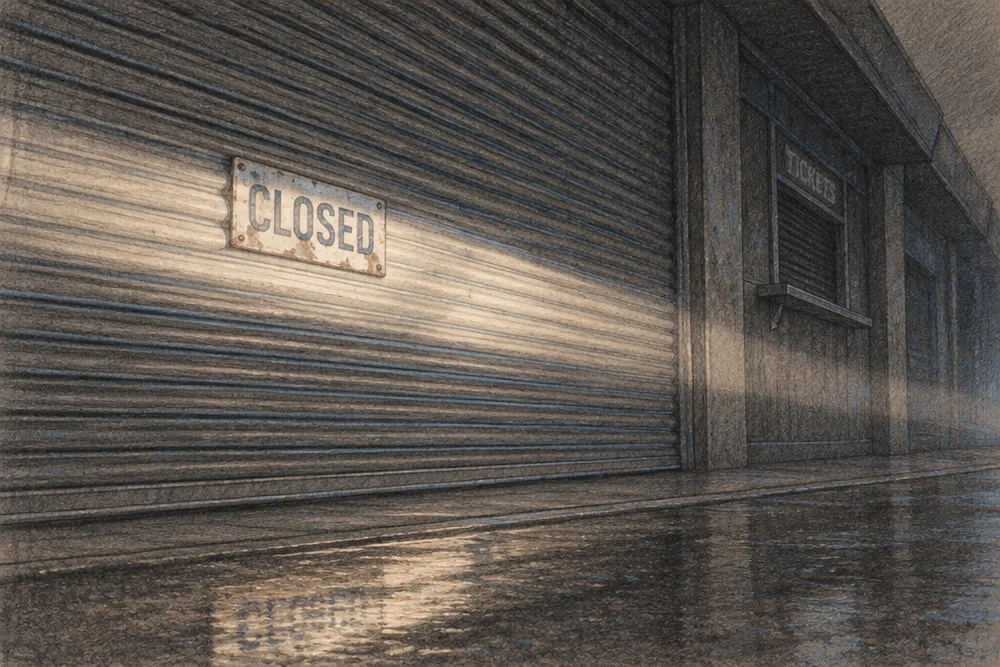
A van passed on the road without slowing. Its headlights traveled across the shutter and briefly illuminated the word CLOSED on the old enamel notice Ada had not yet taken down.
“That one stays?” Beth asked.
“For now,” Ada said. “The new sign will cover it. When the lettering’s dry, I’ll take the old one off.”
The council van arrived at seven twenty-eight. Ivo climbed out with a folder tucked beneath his navy fleece and a folded route map under one arm. His soft boots made little sound on the wet pavement. He looked from the shutter to the clipboard and then at Beth’s watch.
“Ready?” he asked.
“Ready for the caller.”
“And ready to learn something irritating?”
“That’s generally what these are for.”
Ivo’s mouth moved at one corner. He set the folder on the van bonnet and checked the names on his exercise sheet. The caller had agreed to be a caller, not to act out panic or confusion. That was deliberate. They would follow the card and report what they did; nobody needed to counterfeit fear to test a route.
“Depot has the desk covered through midnight,” Ivo said. “Roads operator knows it’s an exercise. The duty supervisor has the answer sheet. We’ve got a second observer at the bridge.”
Beth marked the time. The position on the form seemed too neat: observer at bridge, caller at shop, desk at depot. A row of boxes could make a town look as if it had edges measured and agreed upon. Sill Row had taught them otherwise. Even the corrected map did not make the water behave or give everyone a safe way out. It only made the people directing help less likely to send it where there was no street.