What the Tiles Remember
Page 167 of 220
Chapters
“Maybe. Don’t decide for her just because I’m her sister.” Deni’s voice softened, not yielding. “Make it possible for a person to say yes, or no, or change their mind later. And don’t make me the permanent spokesperson for a dead woman.”
The fitting-room curtain shifted as a customer leaned out, one hand holding a trouser cuff against her ankle. Mara excused herself, pinned the hem higher, and named the price for the alteration. The customer agreed. When Mara returned, Deni had sat down, trolley handles gathered between her knees. The unfinished catalog waited where they had left it.
“I can make the credit optional,” Mara said. “A name if someone asks for one. Anonymous if they want the work recognized but not themselves. And a note that the record can be corrected.”
Deni studied her. “Who gets to correct it?”
“The contributor. Or someone they’ve asked to speak for them. Not me, not the library, not Tess.” Mara picked up the pencil and wrote in the margin, then read the wording aloud: “Credits are included by permission. Contributors may choose a name, anonymous credit, or no public credit; the catalog may be amended at their request.”
“And families?”
“Only if the contributor has said they can.” She paused. “If we can’t find that out, we don’t publish a name.”
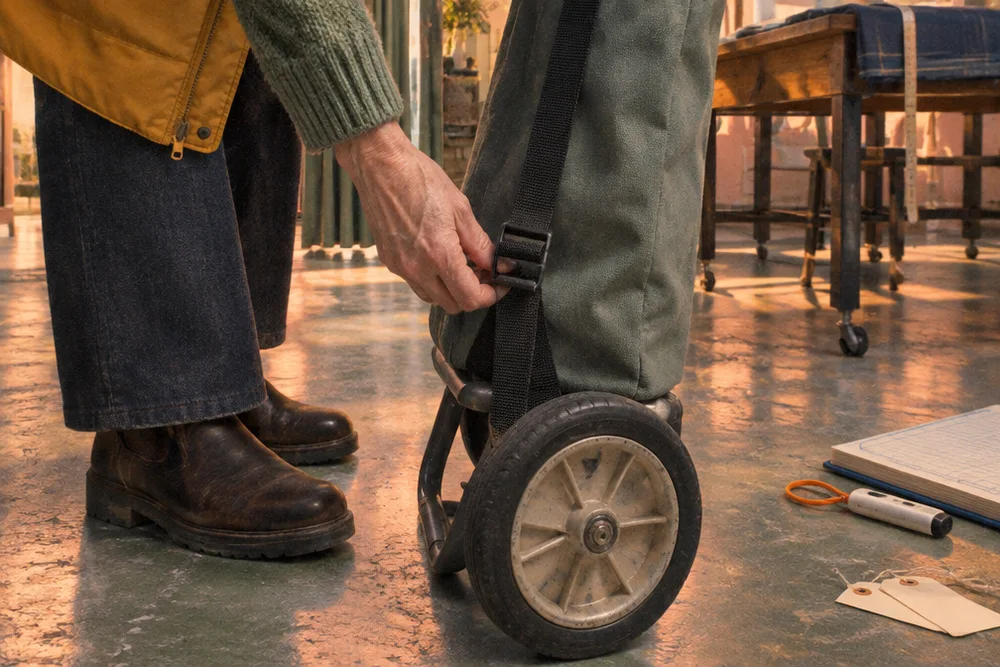
Deni rubbed her thumb over the trolley’s cloth handle. “That’s better. But ‘anonymous credit’ can still make someone hunt for the anonymous person.”
Mara looked at the line again. “Then perhaps the public caption says contributors could choose whether to be named, and the individual record doesn’t point to a particular tile unless they want it to.”
“You’re making a system.”
“I’m trying to make it possible to change.” Mara’s fingers rested beside the pencil. “The first version was me deciding what Ada meant. I don’t want to do that again.”
Deni’s expression eased, though she did not smile. “My sister liked choosing things. She’d have liked that part.”
Mara felt the small relief and let it stay small. “If you ever want to tell me what she chose, I’ll listen. You don’t have to tell me now.”
“Good.” Deni rose, then caught the trolley strap before it slid from her shoulder. “I came to pick up the coat, not give you a family interview.”