The Names Beneath the Soundings
Page 171 of 266
Chapters
“You’ve made it look like a barricade,” Bleddyn said when they returned.
“It is a boundary.”
“A temporary one, and you’ve drawn it across the ferry track.”
“The roof is under the ferry track.”
Catrin folded her paperwork closed. “The yard is suspending crossings until it has a safe operating plan. That is not my decision to make for you, Mr. Prys.”
Bleddyn stared toward the empty slipway, as if he could conjure a boat into it by refusing to acknowledge the notice. “The timetable starts in three weeks. People need this ferry.”
“They also need it to arrive,” Ysolda said.
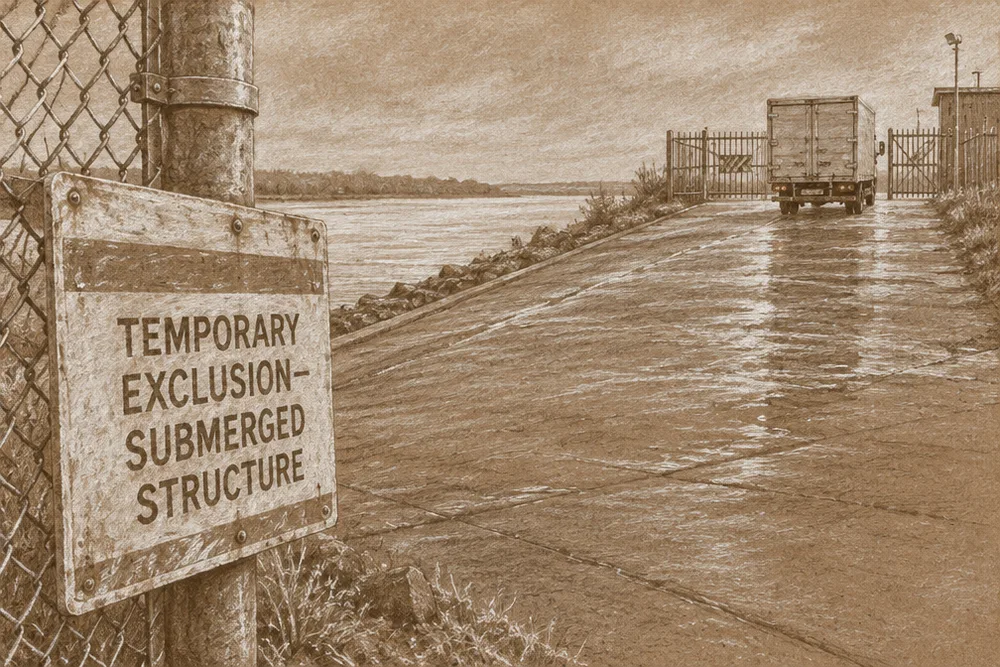
For an instant, the yard was so quiet she could hear water dripping from the launch’s rubbing strake. Nia put the wet line over its hook. Catrin handed Ysolda a copy of the authority’s temporary order. Its language was dry and exact: no vessel to enter the exclusion zone pending completion of risk assessment and approval of an alternate channel. No exceptions for training or local knowledge.
A horn sounded from the road above the yard. A small lorry had stopped beside the gate, its driver leaning on the wheel to ask whether the ferry was running. Bleddyn walked over and told him it was suspended. The driver swore, reversed awkwardly, and headed back toward the long road around the estuary.
Ysolda watched him go. The closure would not be a line on paper to him. It would be fuel, lost hours, missed shifts, a nurse driving the long way in the dark. Her mother had said that risk was never only the thing in the water; it was also every consequence of deciding to leave it there.
Catrin slid the chart into a waterproof tube. “The authority will meet with the board tomorrow. Until then, the exclusion stays in force.”
Bleddyn turned. “And no wages.”
He did not direct the words at Catrin. He directed them at Ysolda. She felt the old instinct to explain, to show him that she understood what she had cost. She didn’t offer an excuse. The red line remained legible through the tube.
The first passengers to arrive had come on foot from the east bank. Four workers in waterproof trousers, two women in care uniforms, and a boy carrying a bag of football kit waited by the landing while Bleddyn explained the closure. They had crossed every weekday by ferry for years. The boy asked whether the boat would be back after lunch. Bleddyn said no. One of the care workers asked how she was meant to reach the residential home for a night shift. He told her the road was open.