The Lake Has Office Hours
Page 153 of 276
Chapters
“When you signed the vacancy return,” she said, “did you know people were still living there?”
He rested his long fingers on the case. “I knew there were addresses being used. I didn’t know how many.”
“That isn’t what I asked.”
“Yes.”
No defense followed. The single word sat between them.
Maren studied his profile. She could not make his admission take away the harm, and he did not ask her to. He had held back the certification, then brought the elevations, then warned her not to mistake an elevation for safety. The choices had not cancelled one another.
“The crew won’t open the drain tonight,” she said.
“No.”
“The street may flood again.”
“Yes.”
“We’ve spent years being told the lake did it.”
Yale looked down at his hands. “The county needed a name for the water. The lake was already on the map.”
It was the closest he had come to explaining the story he had helped preserve. Maren felt the old reflex in her, the one that sorted speech into words that could be proved, words that could be challenged, and words that were only fear. She had learned to replay a call until each syllable held still. She also knew how much a clean transcript could leave out.
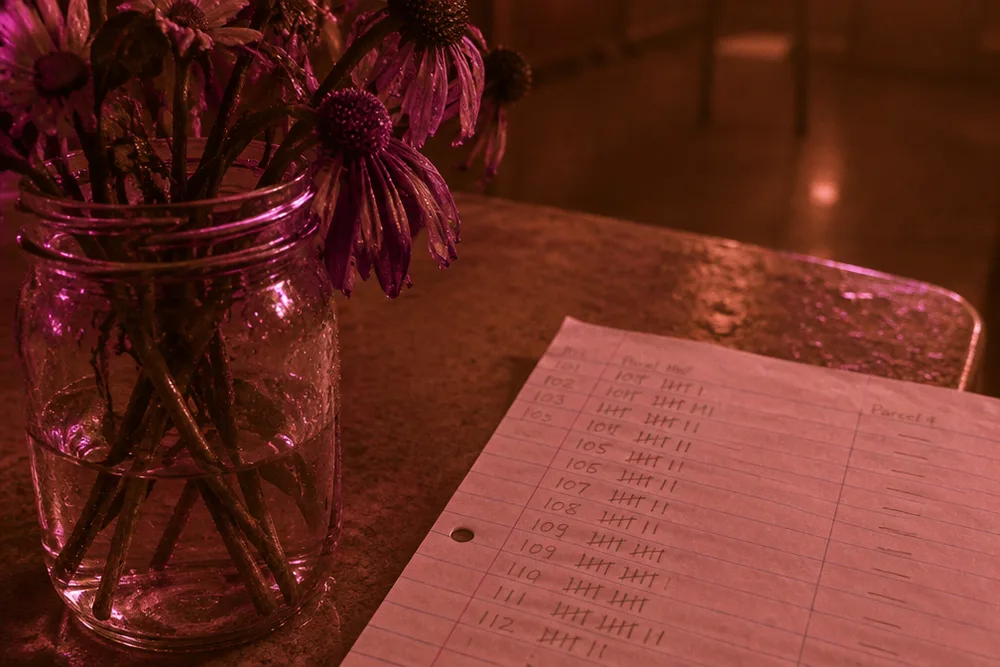
At the far end of the gym, Inez adjusted a blanket over the sleeping toddler. She had brought the Tuesday flowers to the annex too, wrapped in a damp towel. They stood in a jar on the folding table, bright petals bent by the rain.
Maren looked from the flowers to the blocked road. The county’s office hours had ended, but the water was still taking attendance.
Shortly after midnight, a responder came to tell them the water had stopped rising. Nobody cheered. The report meant only that the pool above the causeway had reached a temporary balance, held there by the obstruction and the rain continuing to feed it. The crew still would not approach the grate. They kept their barriers in place and watched the level from the upper bend.
Maren slept for perhaps twenty minutes with her cheek against her coat sleeve. She woke when the radio crackled and a voice said the runoff had begun to ease. The responders would reassess at first light. No one would be allowed onto the lower street until then.
Inez was awake at the folding table, counting the names on the paper list. “Twenty-three people,” she said. “Five buildings. All accounted for.”