Six Eggs and a Share in the Ferry
Page 232 of 251
Chapters
Agnes entered the amount. The word transferable took more room than the name, and she wrote it carefully. The wash fund had once been an account kept in a common tin, passed from one woman’s hands to another’s. It had been used for ferry shares, then for claims, then for keeping the people of Latch Beck from being treated as if a cottage number were a whole person. Martha had never let Agnes call any part of it charity.
“There’s a woman in my building who wants to carry a parcel to the mill,” Martha said. “She’ll take the second seat if she can have it for the morning run only.”
Nell considered. “If there’s room, she can. The fare buys the place, not a name. But I’ll need to know by the evening before. I won’t be sorting parcels with a horse in the shafts.”
“Fair,” Martha said, and took the list back. “I’ll tell her.”
Agnes added another mark in the book. A service made from people’s choices was harder to make tidy than a service imposed by a timetable, but it had the advantage of being real. She remembered the hearing room, the scale platform cleared of chairs, the bell on the clerk’s table. Now the money from that division was in the people’s hands, and they were deciding which of its uses mattered most.
Nell climbed to the wagon seat. “That’s my minimum, with the spare places still open by the week. We’ll run the four weeks. If the bookings hold, I’ll renew it again.”
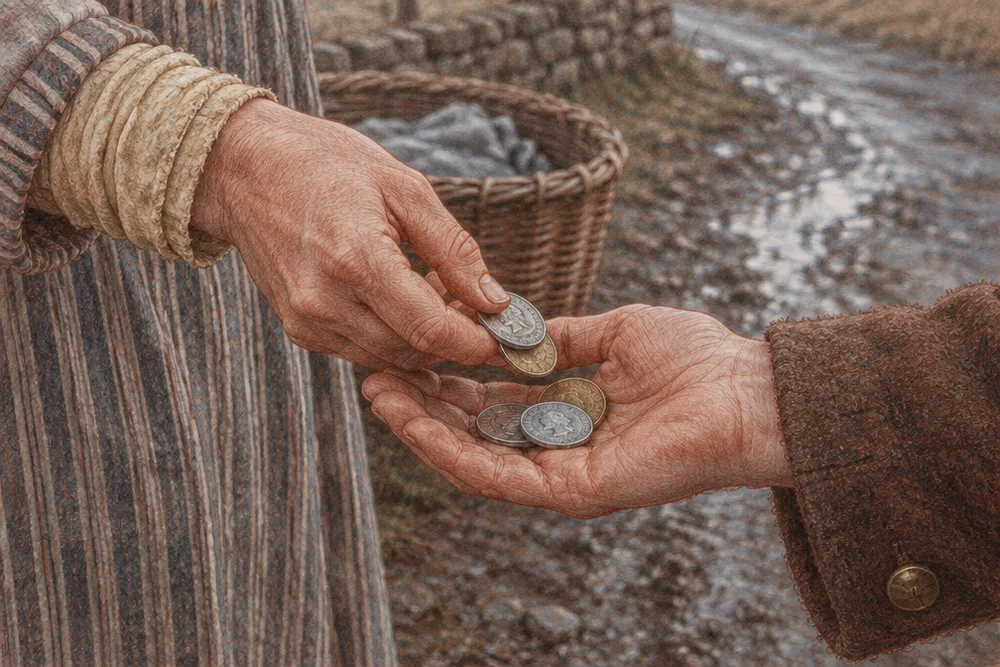
“And if they don’t?” Agnes asked.
“Then I don’t take an empty wagon up a hill for the pleasure of hearing it complain.” Nell flicked the reins lightly. “I’ve had enough of that sort of pleasure.”
On the way back Agnes stopped at the mill gate to check the final entries with two men whose shifts made the wagon hours matter more than the distance. One could ride in the morning but would need to return on the later run. The other wanted no seat at all; his brother had lent him a bicycle, and he meant to see whether his legs could manage the road before spending a penny.
Nell made no attempt to persuade him. She had been plain about fares from the first, and she was not going to turn plainness into a sales trick now. She wrote the first man’s return time in the margin and told the second he could book the following week if the bicycle failed him.
“It’s a queer thing,” Agnes said as they walked on, “to be glad a man may not need you.”