Park the Buses for a Blackbird
Chapter 20 · The Button That Plays Only the Stamp
Page 205 of 214
Chapters
By September, the former ticket office smelled of warm tile and the faint, sweet dust that gathered behind equipment racks. Vera Tern knelt beside the listening station, one heel planted, the other foot tucked beneath her. Her plum work vest creased at the waist as she wound a loose cable around her forearm and checked the socket for the third time. The pilot had one room, two routes’ worth of recording time, and a permissions form revised so often its boxes no longer lined up with their labels. It was enough to open the door.
On the table lay the ivory reel with its red leader. Vera had brought it from locked storage, not to play it, but because its deposit record needed a final location. The rehearsal tape remained restricted: a visitor could read what happened and why the recording was not available, but could not press a button and hear Iona Dacre ask for quiet. The decision had survived the vote, the correction, and the summer paperwork. It still felt less like a decision than a boundary she had to keep choosing.
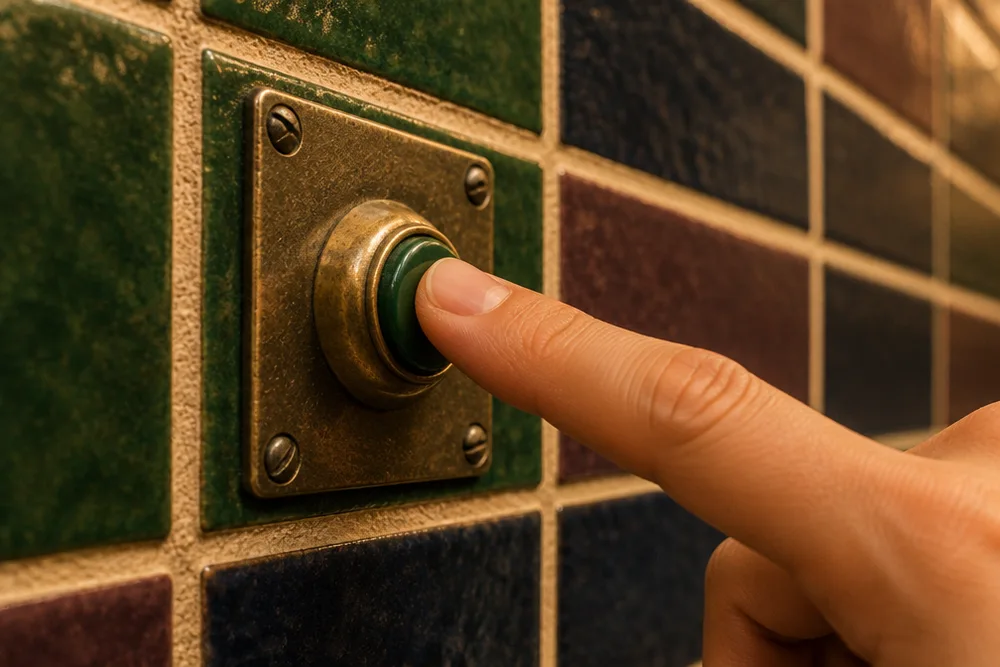
The ticket stamper recording was different. Its operator had released the machine’s sound for preservation and public playback, while refusing permission to attach his explanation of why the city had scrapped it. Vera had marked those distinctions in the catalog by hand before the software could make them look like one yes-or-no answer. Now she checked the machine’s button, the headphones, and the small printed label: TICKET STAMPER, LAST DAY OF SERVICE. No further claim.
The stamper itself sat in the municipal store, too heavy and awkward for the narrow door, but its sound was here: a sharp clack, a short mechanical shiver, then the second clack as the handle returned. Vera had recorded it on the last day it was used, before the disposal crew took it away. The operator had made the machine stamp three blank tickets for her. He had not wanted his voice on the recording. The form let him keep that choice without making the sound disappear.
Vera placed the reel in its padded case and returned to the console. A thin sheen of honey-colored light lay over the old ticket-office tiles. The new display held a short description, a play symbol, and three clear options: listen, read, leave. She tried the screen as a visitor would. One tap began the stamp. A second stopped it. There was no automatic introduction, no voice explaining the machine’s importance or telling a listener what to feel.