What the Water Left Blank
Page 125 of 158
Chapters
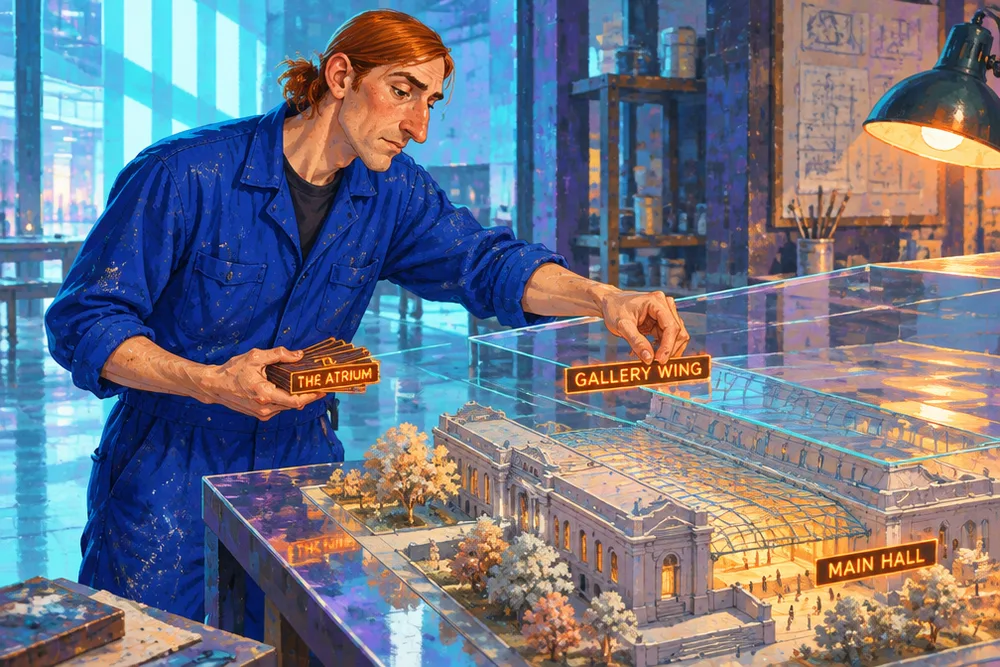
Merrin glanced at the exposed strip of model above Mill Street, where a painted awning might have shaded No. 4’s hatch. Levan had left the glass bare there. It had looked unfinished when he first refused to paint it. Now the empty space seemed honest, and the proposed drawer offered a place for the memories to exist without turning any one of them into a verdict.
Tamsin took the introduction to her office to prepare the approval copy. The door clicked shut behind her. Merrin stayed at the table, looking at Nessa’s underline. The museum would not call Nessa a benefactor, or Ada’s business a shop transplanted to the other side of the lane. It would put two places on the map and explain the difference between them.
“You’ve changed the opening,” Levan said.
“I have.” Merrin slid the old draft out from beneath the new one. On the earlier page, a handwritten line described the bakery as the heart of Mill Street. She had written it the first night, sure that a good label should sound like a eulogy. “I wanted one clear thing to bring back. The shop. Then the first tracing showed me the work had carried on somewhere else.”
“Not somewhere else,” he said. “Somewhere specific.”
She looked at him. The point was small and exact, like the difference between a wall and a gap on a tracing. “No. Eleven.”
He rested his hands on the edge of the table. “And the people who used it.”
Merrin nodded. She thought of Nessa’s weekly oven rent, Ivo’s rounds, customers climbing steps with a collection tin or a basket. She thought of Ada’s calls, the ones Merrin had answered while working somewhere far away, and how she had stopped asking follow-up questions when her mother said the orders were keeping her busy. Nothing in the model could draw that lost attention back into place. But the words could stop pretending the shopfront had been the only address worth remembering.
She sat and rewrote the introduction one final time, not to make it warmer, but to make it exact. Levan continued fitting the label blocks, moving them until neither address looked like a correction pasted over the other.
The new introduction began with the missing survey and the blank in the model. It did not begin with Ada. Merrin explained that two residents, walking separately with different witnesses, had traced the street and produced matching marks at No. 11. It explained that the result had contradicted her expectation, then set out what the corroborating accounts established: Ada’s shop had been at No. 4; after its closure, she paid to use Nessa’s oven and fulfilled bread orders from No. 11.