What the Gauge Left Out
Page 76 of 259
Chapters
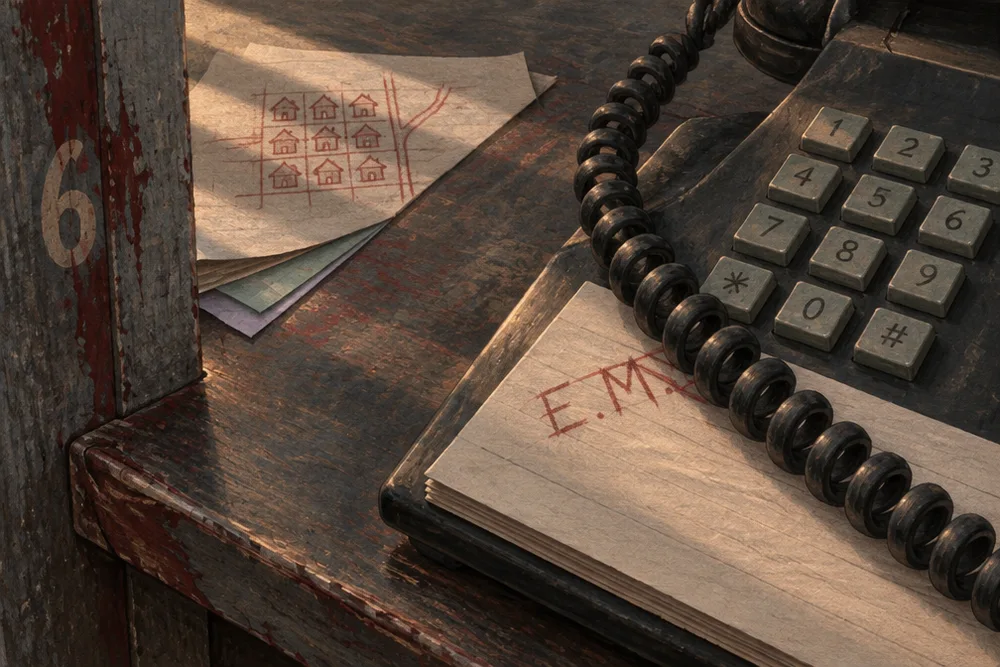
The telephone rang. Elspeth got to it first. She listened, asked the caller to repeat a surname, and said there’d be someone at the station for the afternoon run. When she hung up she pulled the pad toward her. The loose slips caught under it. Fenna stopped the one for the signed return from sliding off the edge.
Elspeth wrote the surname, a number to call back, and her own initials. The nib skipped on the first stroke. She retraced it and left the doubled line.
“What are you going to put in the audit about this morning?” she asked.
“The six o’clock check?”
Elspeth nodded.
“Screen and post agreed.”
“Will they read that as you saying the station’s sound?”
Fenna could see the closing form in her mind, the equipment schedule reduced to a box on the last page. Until the shelter log turned up she’d expected to tick it and move on. The equipment hadn’t changed since then, but she could no longer send the tick out by itself and expect it to mean what she meant.
“They may want to,” she said. “I can say the checks agree. I can’t say every return does.”
“Then don’t put down that the post failed just to make it harder to misunderstand you.”
“I wouldn’t.”
“Not the post, then.” Elspeth curled a finger around the telephone cord where it had fallen across the pad. “Don’t leave today’s check out because it was me at the bottom of the stairs.”
Fenna had no intention of leaving it out. All the same, she felt the rebuke land. At six she had copied the figure before going down. She hadn’t needed Elspeth to call it up; she’d gone to see for herself. Tomorrow she would do the same. There was a difference between checking somebody’s work and making sure you never had to take their word for anything again. The station had given her an easy way not to decide which she was doing.
“Your reading belongs on the sheet,” she said.
Elspeth let go of the cord. It drew back into a coil against the wall. “I’ll be there for it, then.”
Fenna gathered the slips, then spread them once more. The shelter log and the station notebook made sense beside each other. The signed return had to stay close enough to compare with the notebook. The terminal drawings could sit by themselves until she had a record of what had happened at the opening. She had thought the hard part would be persuading other people to read all of it. It turned out she could make a slanted account before she wrote a sentence, just by deciding what went on the table first.