What the Gauge Left Out
Page 140 of 259
Chapters
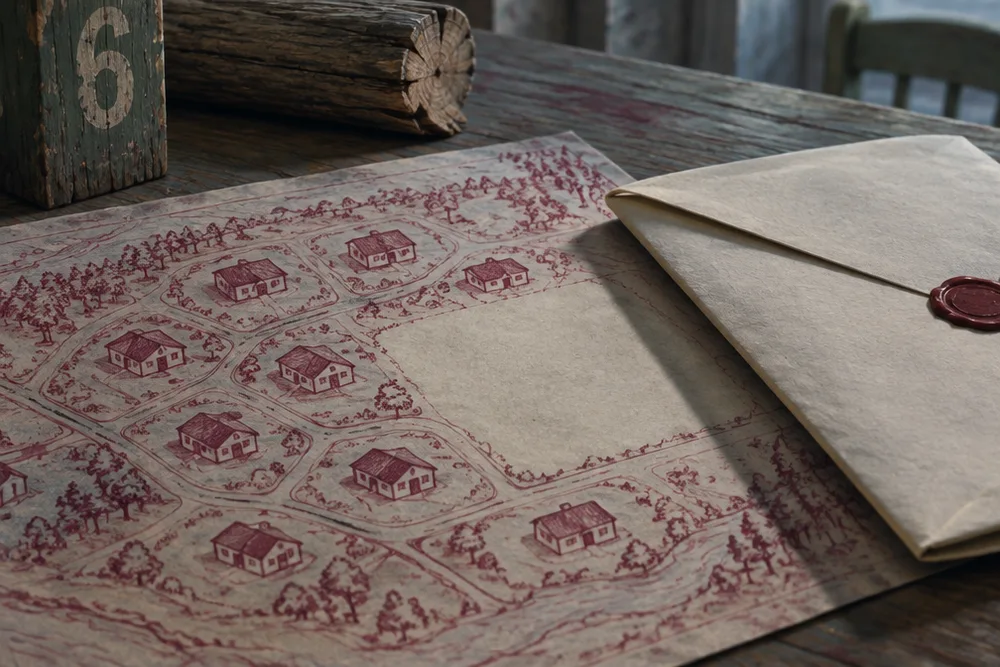
Fenna added a note: the reconstruction was submitted by the auditor and was not an adopted cooperative finding. Bera read it, then nodded once. She had not endorsed the map, but neither had she asked Fenna to remove it.
“The crossing continues,” Bera said.
“Yes.”
“People will ask whether it is safe.”
“The map isn’t an engineering certification.” Fenna kept her voice level. “The panel’s survey has to answer the safety question.”
Bera looked at the dashed route again. “You’re asking for two kinds of trust at once.”
“I’m asking people not to confuse them.”
After Bera left, Siv asked Fenna whether the cooperative could stop the map from being posted. Fenna explained that the residents controlled their own material, but she could not promise what the cooperative would do with the contested audit or its own notice. The public map would carry no private statements. It would also carry no accusation that the evidence did not yet support.
“And if they say it’s an attack on the crossing?” Siv asked.
“We say it’s a route to be tested.”
“That’s not what they’ll hear.”
“No.” Fenna slid the map back into its sleeve. She was learning how much the word public could be made to mean: open to scrutiny, available to the panel, exposed to neighbors, stripped of names, stripped of context. Each version offered access and took something away.
A cabin resident returned the last unsealed form. She had authorized one mark for the panel but not for public display. Fenna wrote the location in the panel copy and left the public version unmarked. The blank space was visible, but it did not invite a guess. She attached a note stating that a permitted observation had been withheld from public view by request.
Siv read it. “Good. Don’t make the blank look like there was nothing there.”
Fenna thought of the official household list, where tenant lines had been left blank and later treated as if they had never held anyone. “I won’t.”
The clock above the community-room door showed 14:26. The sale closing deadline was less than two hours away. Fenna still had not sent the buyer the clean audit or the contested one. The map was not the evidence that would prove what officials knew, but it would preserve the residents’ route without exposing the people who had drawn it.
“I have to go back to the station,” Fenna said.
Siv gathered the remaining envelopes. “Go. We’ll keep these here.”