What the Gauge Left Out
Page 116 of 259
Chapters
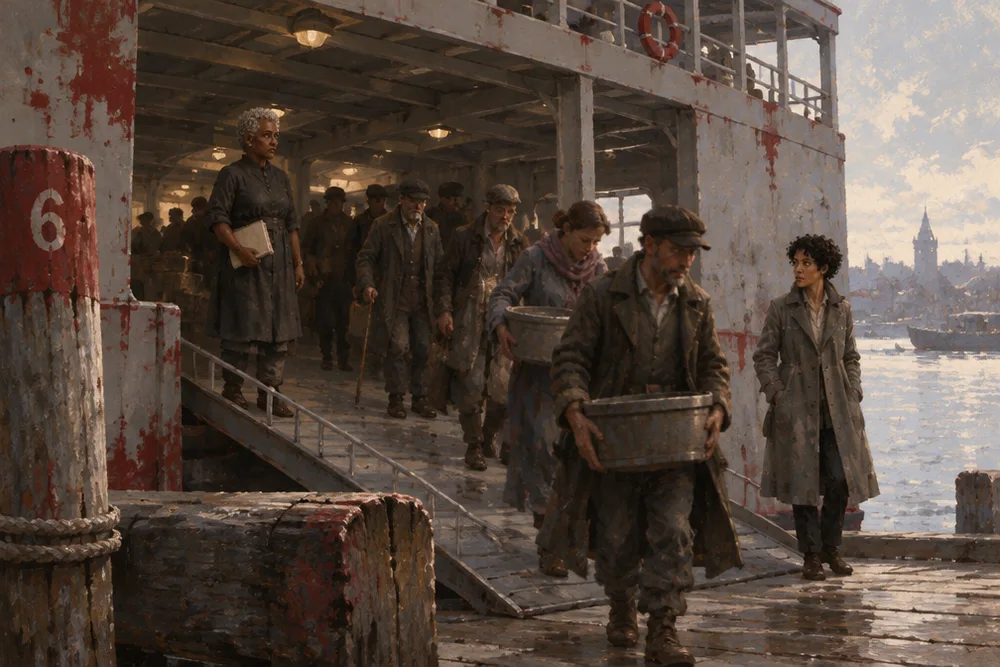
The boat slowed. Workers gathered their tubs; the woman with the appointment slip tucked it safely into her bag. Bera shut the ledger and held it against her side. She had offered a way to keep the station sale, preserve the crossing, and deliver some rent help. Fenna could not dismiss those things. But accepting would make the old log private by choice, and turn the displaced households into recipients rather than people allowed to question the record.
“I can’t agree to that addendum,” Fenna said.
Bera’s eyes moved to the typed pages, then back to Fenna. “You’re declining the fund?”
“I’m declining those conditions. I haven’t withdrawn the audit, and I haven’t filed yet.”
“Then the offer stands until closing, as written.”
Fenna nodded. She had not forfeited the sale. The clean audit form was still in her bag, and the deadline was still the next day. She could go back to the station and finish the equipment schedule without signing away the evidence. She could also reopen the whole question and risk the only certain means of clearing the debt. For the moment, there was no victory in refusing, only a boundary she had drawn where the price became visible.
The ramp struck the dock with a low clang. Bera stepped toward the passengers, still holding the ledger. Fenna let the people with tubs and walking sticks go first. Behind her, the boat filled again for the return crossing. It would keep running today. Whether it could stay open through a contested finding remained a question neither of them had answered.
On the dock, Bera stopped beside a stack of folded barriers and turned back. “If the panel recommends changes, the cooperative will have to know what it can afford before it agrees to anything.”
“So will the people who need somewhere to live.”
“I know what they need.”
“You know what you’re willing to offer.”
For a beat, Bera said nothing. Then she adjusted the ledger under her arm and walked toward the terminal office. Fenna watched her go. Bera had once coordinated relief; she understood the difference between an empty promise and a room with a key. She also knew which protections had been traded away. Fenna could not yet tell where necessity had stopped and convenience begun.
The passengers dispersed toward the town and the far-side road. Fenna stayed near the dock rail while the crew prepared for the return. She thought of the early boat as a chain of ordinary obligations: a shift to reach, a treatment to make, food packed for a day’s work. No inquiry could make those obligations disappear. But an uninterrupted crossing could not be bought by burying the record of why water had reached Hem Lane.