What the Gauge Left Out
Page 112 of 259
Chapters
Bera said it readily, with none of the care she had taken over her words about the sale. Fenna looked out at the harbor. The far shore was close enough now to separate the roof of the waiting room from the buildings behind it. A person standing outside would have been too small to pick out from the boat.
“I’d want that in any submission that discussed stopping the crossing,” Fenna said. “Not just the receipts for a morning’s fares.”
“You’ll get numbers from the clinic if you ask. Not names.”
“I don’t need names for that.”
Bera lifted one corner of the ledger so a man could pass without catching his coat on it. “Sending in numbers is the easy part. Somebody has to be ready to say how they’ll get those people across if the panel doesn’t like what it hears.”
“Who would you ask to do that?”
“I’d start with the people who run the boats.”
Fenna looked at the deckhand. He was still crouched by the bench, tightening the strap on the tub after its owner held up the loose end. She could imagine asking him what a different landing would cost in minutes. She could not imagine asking him to certify the way the terminal had been built. In the sale papers a great deal of work had gone into bundling things together that different people knew how to do.
“Could the cooperative put in its own account of what it takes to run the crossing?” she asked. “Separate from anything I say about the station?”
“We already report on the service.”
“When somebody asks about fares or maintenance, yes. I mean if the terminal is part of what they’re looking at.”
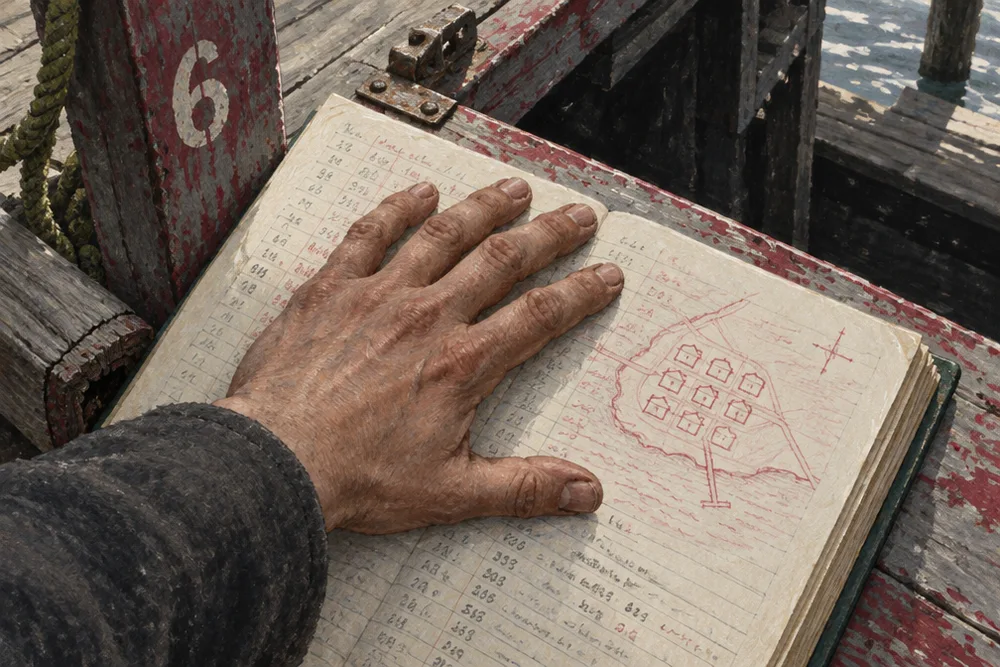
Bera put the ledger down on the narrow lip of the hatch, one hand flat across the cover to stop it creeping. “We could tell them what we do here today. We can’t tell them which parts they’ll let us keep doing. If somebody says take the boat out of service until they’ve read the papers, there’s nothing I can put on a timetable to make that all right.”
“I’m not asking you to put a promise on a timetable. I’m asking what you would need to keep sailing.”
“A place to land at both ends. A crew who know there’s work next week. Enough money to pay them before the fares come in.” She considered. “And enough notice that when we tell someone to be here at seven, there’ll be a boat here at seven.”