The Widow Window on the Landing
Page 137 of 224
Chapters
“Suri has the carbon copies. The owner has the replacement ledger. The households have their own memories, whether the forms record them or not.” Aster watched him take in each fact as if tallying costs. “The wording can say you signed a false departure. It can also say why.”
“You want me to confess to a crime in a document that will be sent to the owner.”
“I want you to acknowledge a lockout.”
“There is no distinction once somebody prints it.” Iven’s fingers worked at the cardigan’s misbuttoned edge. “You have no idea what that will do. The owner will shut the place. They’ll destroy whatever remains. They’ll say Nella’s gone and I’m the one who did it.”
“The place is already shut.”
“Not in the way you mean.” He glanced toward the front hall below, where the replacement ledger had come from. “There are still people in there.”
“Then let the record say there are.”
His mouth tightened. “You’re asking me to sign away the last chance I have.”
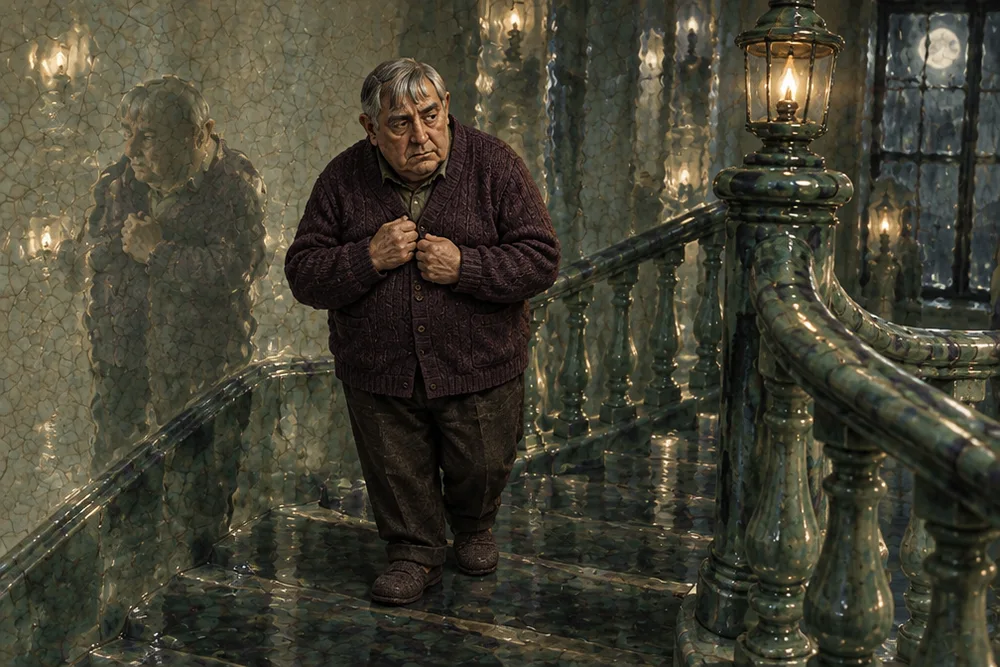
Aster looked at the lamp in the pane. It had not moved since Nella agreed to lower it; the shade’s dent sat like a blunt thumbprint in the glass. “You had twelve years to tell the truth, Iven. I’m asking you now because we still have a way to do something with it.”
“And if I sign, you’ll publish it?”
“It isn’t my record to publish.”
“You’re the one making the record.”
“I’m the one making sure the record does not lie.” She felt the old familiar pressure behind her ribs: the moment when a client wanted her to put a signature where a fact should be. Years ago she had accepted a neat authorization on a clearance job and learned too late what had been omitted from the duplicate. Her van had been impounded, her business dismantled by the dispute. Since then, she had trusted signatures more than assurances—but only when she understood what the signature meant.
Iven sat on the stair below her, careful not to let his slippers touch the wet-looking glaze at the edge. “I can sign,” he said. “If it stays private.”
Aster did not answer at once. The bargain was plain, and so was its appeal. One admission, sealed away: enough to satisfy a form, perhaps, and preserve the appearance that the living had settled what the lost could not contest. The counterhouse would not know the difference between a true acknowledgment and a private one if no one read it aloud. But Aster did.