The Night the Floor Plan Wept
Page 232 of 232
Chapters
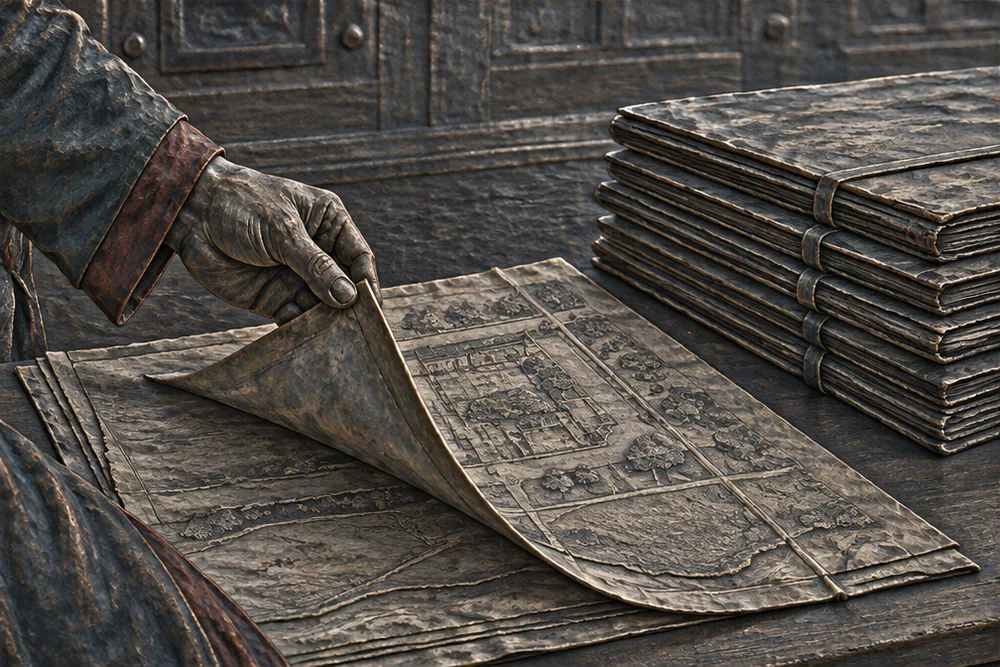
Celia made the request for the ambulance bundle, attached the hospital’s two reports, and flagged the missing receiving register. She did not say that the search would find it. The caller thanked her, then asked if the old hospital still stood. Celia said the structure remained under municipal control while the linked archive was held. She did not describe the night it had opened doors in the wrong places. The caller needed the records, not a story that might turn into an answer before she was ready to ask.
After the call, Celia took down the framed plan and checked the backing for any sign of moisture. The paper was dry. The linen was dry. She set it back in its hooks, careful not to press her thumb over the narrow wedge of Room 17. The room’s outline was barely more than a set of raised threads and rubbed shadows, but it remained legible under daylight.
She returned to the counter and answered the next inquiry. Then another. Names, dates, uncertain addresses, records with contradictions in their margins. She kept the supporting papers together and made the notes searchable without flattening their differences. She wrote no promise of rescue. She wrote no claim that the work was finished. When the day’s final caller asked whether a missing address could be restored, Celia asked which record had held it before, and began there.
The public index remained open. Ada’s two reports stayed side by side; Nell’s complaint remained linked to them; Ivo’s statement remained available with its limits stated plainly. The six cases stayed under inquiry. Anyone could read the records, make a claim, or bring another piece of evidence to the counter. The county had not chosen one account to survive at the expense of the other.
At closing, Celia left the disposition field untouched. She switched off the counter lights and looked once more at the linen plan, its raised lines dull beneath the room’s remaining daylight. No water gathered at Room 17. The outline held. She locked the door and went home, prepared to return when someone asked what the papers said—and to answer without promising a final version.