The Last Stop on the Way Back
Page 31 of 316
Chapters
“Who told you about the tin?”
The woman held her ground. “No one. We heard it ring.”
Brina remembered the sound: a single clear note from the cargo space, after the tram had passed the last known marker. She had checked the wheels and the rails, found nothing, and then the platform had appeared in her headlamps. The people were watching the tin as if its small iron sides could answer for all of them.
“What’s your name?” Brina asked.
“Serrat Hoskin.” The woman glanced at the people behind her. “I was a midwife. I am still one, when there is need.”
A child crouched near her skirts, heels together, long shins folded under him. He had a cream-colored duffel at his feet and mismatched mittens. He peered around Serrat’s hip at the tram. “Is it the same car?” he asked.
“No,” Serrat said gently. “It’s a different one.”
“The other one had green seats.”
“It did.”
Brina’s hand left the brake long enough to touch the route chart. “When did you leave?”
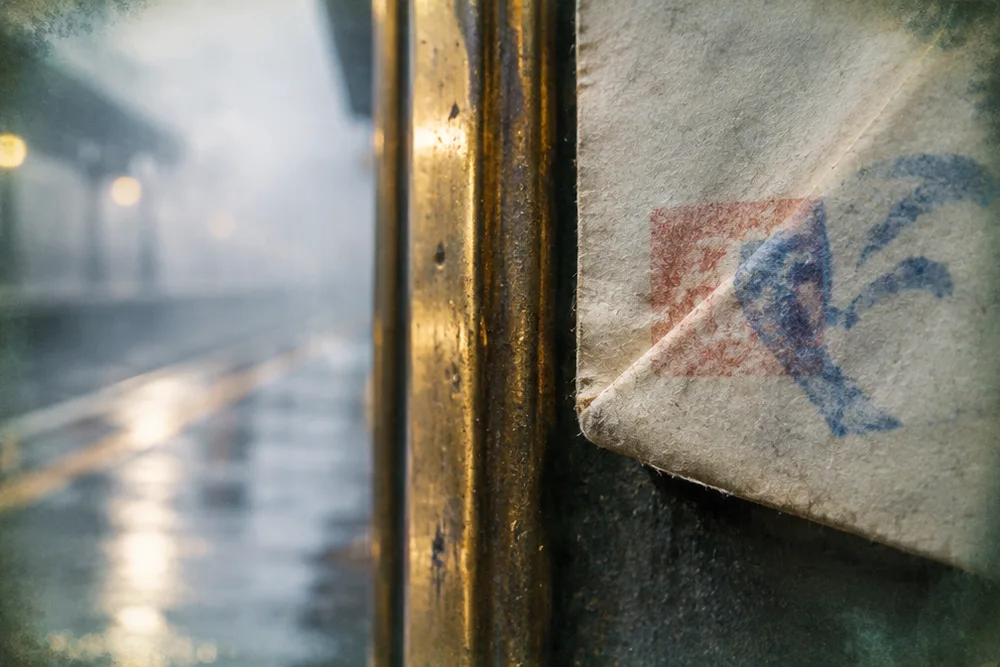
Serrat drew a folded paper from inside her apron. It was brittle at the creases, watermarked with a red square and stamped in blue. She held it out. Brina leaned from the cab and took it carefully, keeping one hand on the door rail. A transfer, old-fashioned, printed with a fare table and the name SALTMARKET. The date was visible beneath the stamp. Brina read it once, then again.
Thirty years ago. The evacuation night. The date appeared in the council’s memorial notices each year, beside a list of names and the warning that the lower wards had been cleared before the tide surge.
“You came from the old Netmakers’ quarter,” Brina said.
Serrat nodded. “They said we would be taken to the shore. We heard the bell. Then the tram never came back.”
“It did come back,” Brina said, and the words sounded too small to reach them. She looked at the blank place on her chart. “The stop was removed.”
Wind moved through the gap between car and platform. The waiting figures did not stir. Brina felt it on her cheeks, damp and sharp, and heard the rails ticking as the tram cooled. She looked from Serrat to the child and then to the faces beyond them. Thirty years, and still dressed for the departure night. Still standing where the stairway had ended above the mud.
“How many of you?” she asked.
“Twenty-three at this end. More farther back, where the platform turns.” Serrat glanced over her shoulder, counting without looking as if the number lived in her. “There are children. Two who need help walking. No one has been sick since we came to the stop.”