The Last Lift Before Rain
Page 39 of 272
Chapters
She looked at him. The space between them was only a few feet, but the day had been filling it with things neither of them could fix for the other. Pella had wanted his help with a crate. He had brought what he could spare and refused what he could not. Mera had offered a route in exchange for a lie. Neither answer made the work smaller.
“I don’t want you to pull anyone from the drains,” she said. “I’m asking because I need help. I can hear no.”
Tavin’s shoulders loosened. “Then I can ask two of the kitchen regulars if they’re free after the wall brace is in. They won’t be free before that.”
“Thank you.”
“And I can carry more compost.”
“I have enough for now.”
“You always say that when you want to do the rest yourself.”
“I have enough for now,” she repeated.
He picked up the oil tin and headed toward the path. At the stair he turned. “If Mera brings a document, let me see it.”
“I will.”
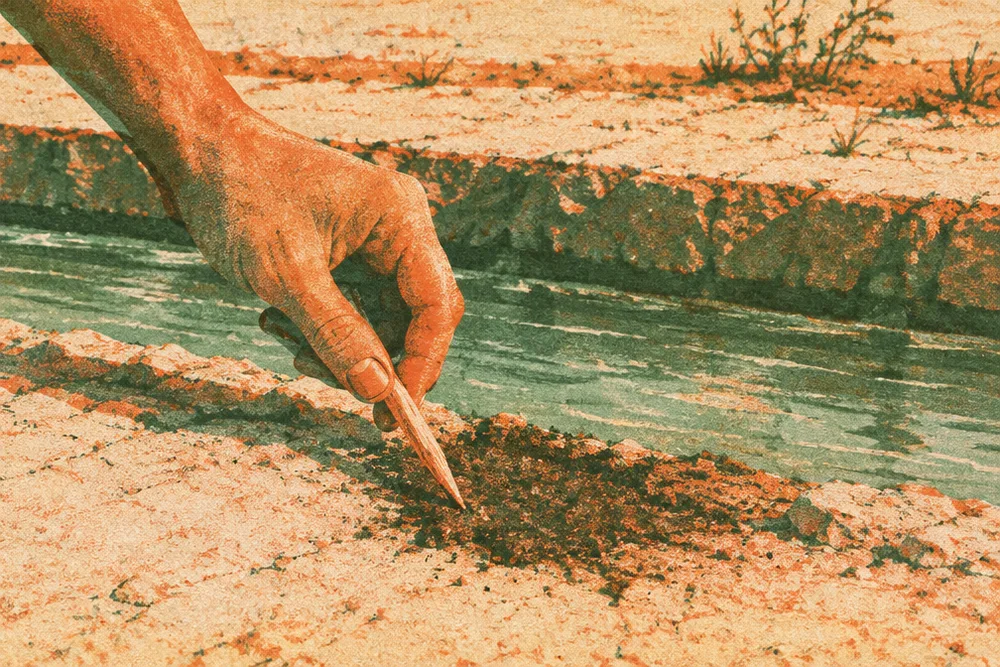
The sun shifted west. Pella watered the beds, using one careful can per row, then checked the small drain channel she had cut across the upper apron. The water ran where she had intended. She had learned to watch for the first sign of seepage: a patch of earth darkening in the wrong place, a thin line of salt turning to paste. She marked one damp spot with a splinter and made a note to return to it tomorrow.
At the market, a handbell rang twice. The commercial lift began a freight run. Its counterweight thumped somewhere beneath the yard, the sound arriving through the ground more than the air. Pella could feel it in her soles. The lift carried crates toward the ridge, then descended again, returning empty. Each cycle reminded her that a route could be made into a privilege, measured by who paid and who waited.
She stayed by the beds until the last light touched the white ridge walls. The saplings were still below, the nursery still holding them, and Mera’s offer had not yet become a page she could refuse. The first day of planting season was nearly gone, and Pella had prepared ground for trees she could not reach.
She packed the fork and seed packets into a canvas bag, then walked to the far edge of her plot. From there she could see the old lift head more clearly: its stone collar, its sealed hatch, the strip of apron Ossa had told her to leave uncovered. The broad toe stone anchored the terrace beside it, square and unyielding. Pella touched the rough upper face with her fingertips, feeling the shallow grooves left by old tools.