The Last Lift Before Rain
Page 219 of 272
Chapters
Pella climbed after him, palms scraping. The air above ground felt enormous. She rolled onto her knees beside Tavin, one hand over her mouth as the cold wind moved across her face. Around them, the ridge had gathered into a single waiting crowd. There were children in borrowed coats, old residents leaning on one another, market porters with rope burns on their hands, and Mera Silt standing beneath the lift shed’s rust-colored awning with her chin lifted against the wind.
Tavin’s ankle was swelling fast. A woman from the gallery kitchen knelt to wrap it while Nemi counted heads by calling names, not door numbers. Each answer came with a raised hand or a voice from the crowd. Pella answered for the people still being carried from the intake, then made herself stop and let Nemi keep the count. Yorin spoke to the porters about securing the loose line and checking the opening; no one went back below.
The first drop struck Pella’s wrist. It was cold and heavy, leaving a dark dot that spread over the salt. A second hit Tavin’s cheek. He blinked and turned his face into the crook of his arm.
“Rain,” he said.
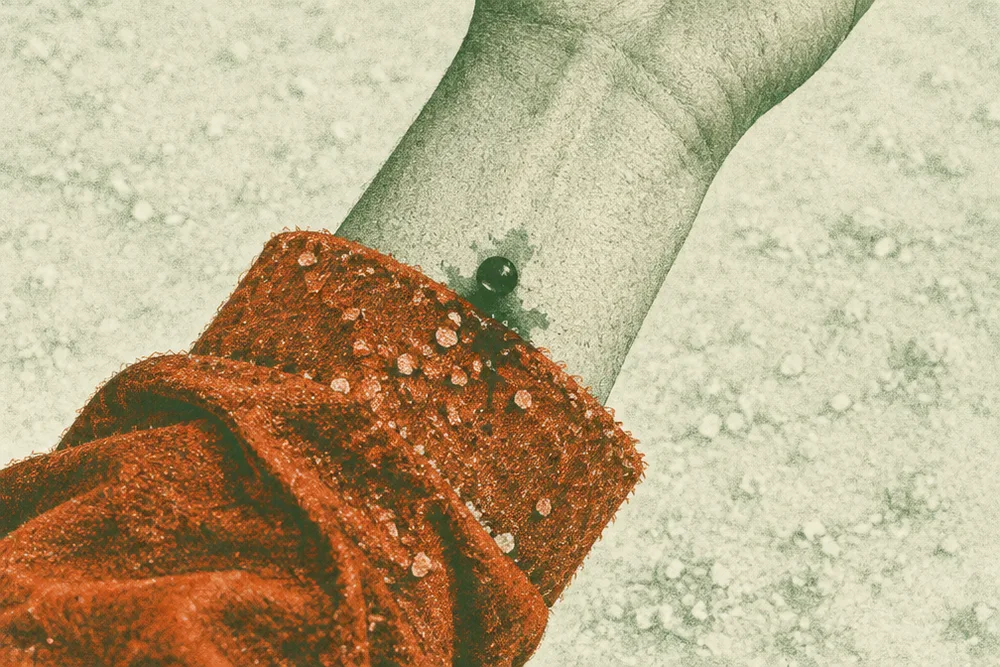
A sheet of it came next, stippling the flat white ground. The crowd shifted toward the sheds. Pella looked past them at her terraces, at the broken loading strip, at the lift that had raised the last families out of the galleries. Nothing she owned had survived untouched. Nothing she had feared losing had been worth more than the people standing in the rain.
They carried Tavin beneath the nearest awning. He refused the stretcher until the woman wrapping his ankle told him that refusing would not make the swelling smaller. Then he apologized to the two porters who lifted him, and gave them instructions about keeping his foot level. The porters followed them. Pella walked at his side, rain running from her hair and down the back of her jacket.
The market shed had been built for freight, not people. Its floor was scored by years of crate runners, and its rafters dripped where the roofing had lifted. Blankets had been laid across the dry central aisle. Someone had found a kettle and set it on a brazier. Someone else was handing around heel ends of bread from a basket. The families from below sat in clusters that had formed from habit: kitchen neighbors together, children tucked between adults, people who had shared walls even when they had not shared names.