The Empty Seat at Low Tide
Page 143 of 257
Chapters
“It might solve one question.” Nessa closed her wallet. “It doesn’t answer where I live, or how I get treatment, or what the island does when the ferry stops.”
Piers took the folded petition from his book. He held it by one corner, not yet tearing it.
“I’ll tell the clerk I withdraw it,” he said. “And I’ll give her the survey with the limits plainly written.”
“Good. Keep the measurements. Don’t write a conclusion you haven’t earned.”
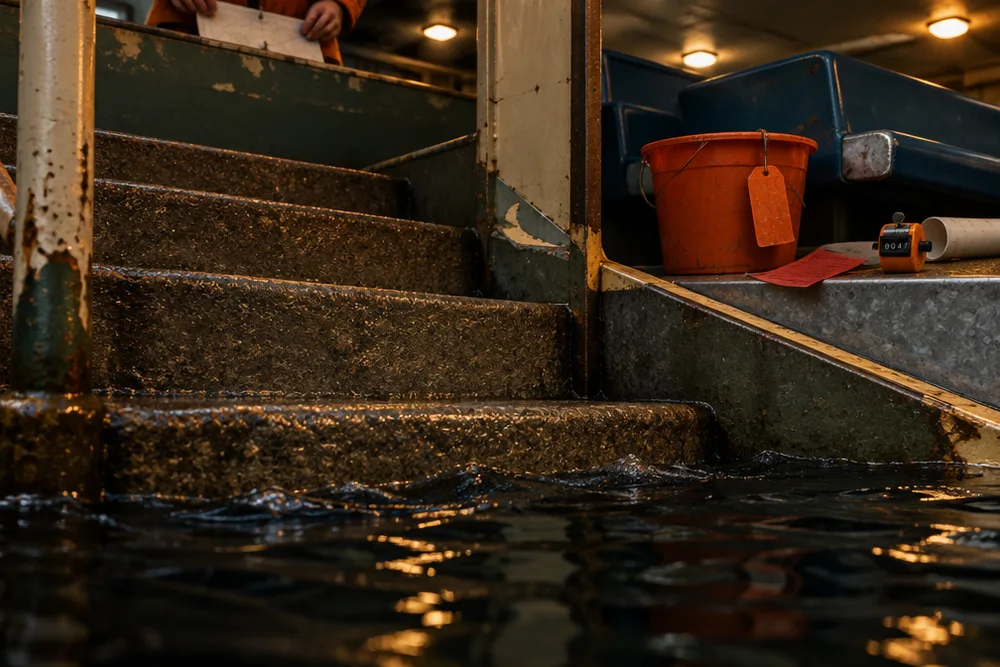
They sat on the fish shed’s low sill to finish the sheet. The tide had climbed enough to cover the four lowest stones, leaving the landing shorter and more difficult than it had been when they arrived. Piers marked the time beside the waterline.
Nessa listed what a foot service could offer: a crossing for people able to use the steps; a route in a limited tide window; perhaps a way to carry small bags, if the operator had a safe method. Then she listed what it could not promise: vehicle freight, reliable access in all weather, level boarding, or a clinic connection that matched every appointment.
“You’re not being negative,” Piers said.
“I’m being specific.” She capped the pencil. “People will call a limited service a solution. Then if it doesn’t work for someone, they’ll say the service exists and the person failed to use it.”
He considered the phrase. A service could be real and still incomplete; writing that down would not make the incomplete part disappear. It might, at least, stop someone pretending it did.
“I can put that in the report,” he said.
“Put it in the record. That’s where people can check it.”
The wind lifted the corner of the sheet. Piers held it down with his hand. Across the sound, the mainland lay under a flat gray sky. He could picture Nessa’s booked room near the clinic without imagining that she belonged there more than she belonged here. The distinction was small in words and enormous in practice.
“I can pick you up on treatment nights,” he said. “The ones we agree on. Not as a standing plan.”
Nessa looked at him. “One trip, when I ask. I’m not signing up to be managed.”
“Understood.”
She slid the appointment wallet into her gilet. “I’ll ask about Tuesday.”
Piers folded the survey sheet along its columns, careful not to hide the notes about the stairs. He had come to measure a route and ended with a clearer account of its limits—and of how little a line on a map could decide for another person.