The Bell Beneath the Minutes
Page 19 of 242
Chapters
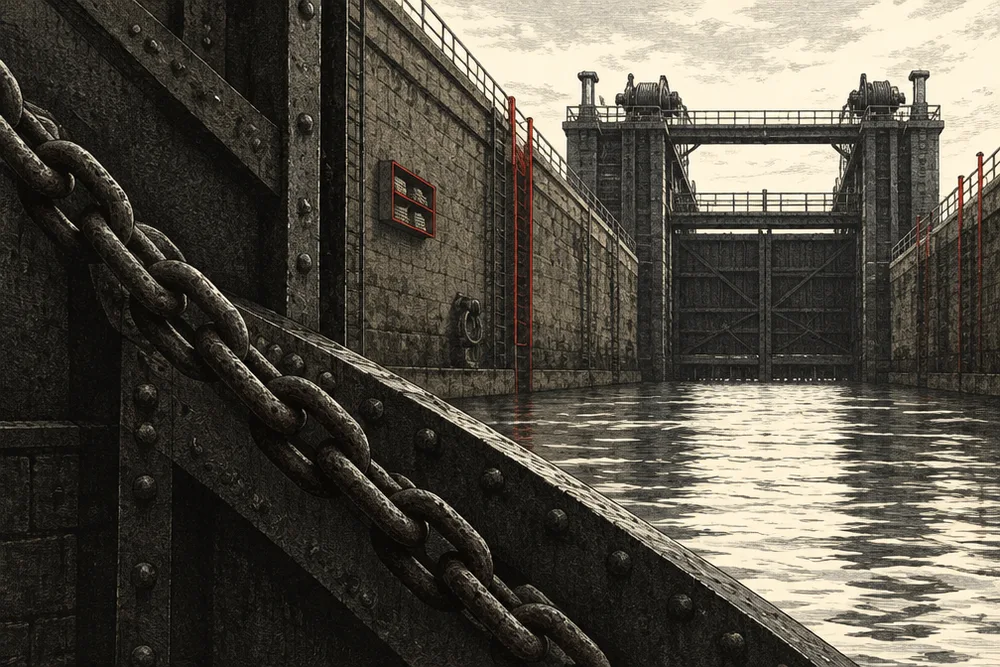
“Not for a ferry,” the worker said. “No ferry here since before my time. We sound it when we test the gates, sometimes at training.”
“Do you have older logs?”
“Some. Depends what year.”
Hugh told him the recording was likely an oral-history interview, not a ferry crossing. That narrowed the question, but the man shook his head. The rehearsal crew kept records of drills; they did not keep the archive’s interviews.
Una stood near the door while Hugh asked for the name of whoever scheduled the hall. The worker offered a first name and a council extension, then wrote it down on a scrap of paper. Hugh folded it and tucked it into his cardigan.
“A bell can be in one place for a lot of reasons,” Una said as they crossed the threshold.
“Yes.”
“So we still don’t know why Dad was there.”
“No.”
She looked toward the hall, where the crew’s voices rose and faded beneath the preparations. “You could have told me the sound wasn’t proof.”
“I did.”
“You did.” She seemed to be testing the thought for weight. “I heard you.”
Hugh eased the rollator down the shallow ramp. The pavement below the landing sloped toward the water, but the rail ran firm beneath his hand. He stopped once to rest, not because Una asked him to. She stayed beside him, not ahead. He took that as another adjustment made without needing to name it.
The old crossing had closed forty-two years ago, before Una was born. Hugh knew the date from harbor records. The bell had stayed in the Chain Room, passing from ferry service into the town’s flood drills. It was a sound that had survived the change in purpose. Perhaps Martin had chosen the room because of that history. Perhaps he had been invited there for some other reason. The recording’s label offered no answer.
“We should ask the archive for the session register,” Hugh said. “Not just the recording.”
“If they have one.”
“If they don’t, someone will have written down where the interview came from.”
Una nodded. The scrap in Hugh’s pocket had given them a council contact, but the hall’s crew had no interview record. The route led away from the landing now, toward the market and the rooms above the scales where the town kept its oral histories.
Hugh watched the estuary between the buildings. The bell’s echo had thinned, leaving only the ordinary sound of water. He had found the place his ear remembered. Next he needed the paper that placed their father inside it.