Rent for an Empty Table
Page 133 of 234
Chapters
The total was tight but possible. It left no room for a sudden repair, and it assumed she kept the stall menu small. She would have to say no to requests for extra loaves until the subscriptions were complete. She would have to keep the pickup time consistent, even when the terminal’s morning rush scattered the crowd in every direction. And she would have to pay herself enough to keep doing it. A business that used her labor for free was a hobby with a receipt.
At the terminal, Finn was in dispatch, visible through the west wall’s open door. He saw her pass and lifted his hand. She held up the oven sheet. He did not come out; he was on the radio. She understood the choice. There were boats to move and people to account for. The small gesture was enough.
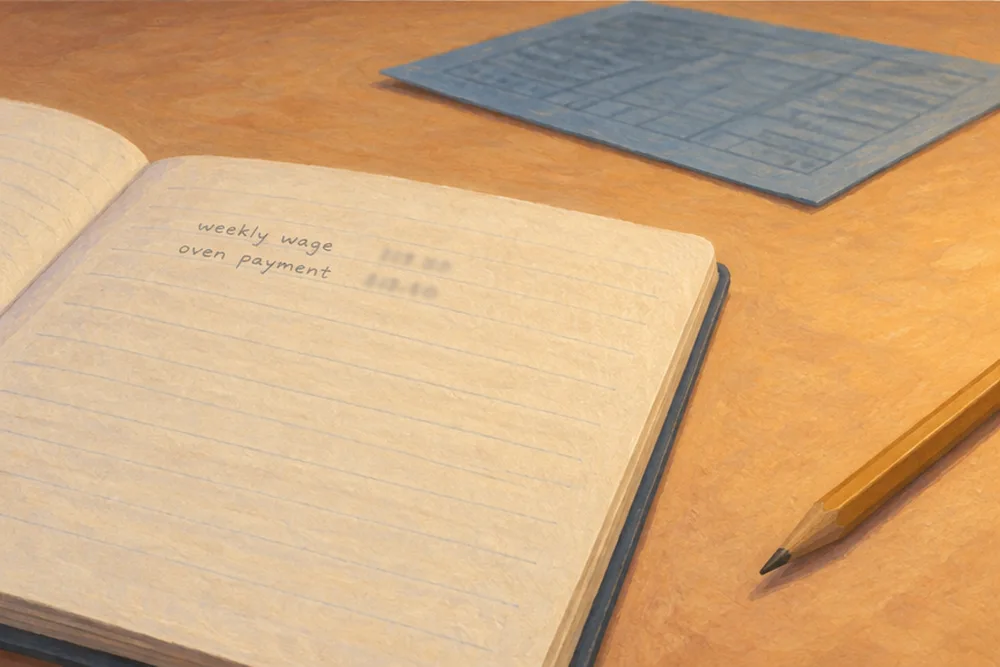
Ola set the price sheet beside her ledger and sat down to calculate one more time. She wrote down her own weekly wage first. The figure was not generous, but it covered rent, food, and the bus fare to the teaching kitchen. She added the oven payment beneath it. The remaining number was modest. If the bread sold, she could do it. If it didn’t, she could return the deposits and stop before the debt got larger.
She called the equipment seller. “I’ll take it, if the inspection is sound and the installment agreement is the one you showed me.”
“Bring the figures in the morning,” he said. “We’ll go through them.”
She hung up and looked at the ledger. The exclusive lease would have given her the oven allowance, but it would also have made the supper table a casualty of her success. The subscription plan cost her more patience and carried its own risks. It did not make her answer to the board’s terms. That mattered, though it could not pay a bill by itself.
At closing, Ola carried the remaining bread to the staff room. One loaf was left for her, still warm beneath its paper. She cut off the heel and ate it standing up, looking through the glass toward the slip. The tide had pulled away from the pilings, leaving dark bands on their sides. The ferry lights moved slowly across the water.
She thought of the folded table in the broom alcove, of Ariane’s paid hours, and of the people who sat together after the last boat. She did not know yet what would happen to that room or to the bakery. She knew the offer to make one depend on ending the other was not the only kind of arithmetic.