Rent for an Empty Table
Page 132 of 234
Chapters
At the end of the stall shift, she took the subscription list uphill to the kitchen manager. The woman checked the entries, then checked the booking calendar. The same hour was available for six weeks, though the manager warned her not to leave trays in the sink or exceed the agreed cleanup time. Ola agreed. She wrote the hour into her notebook and paid the booking fee from the stall income, not the deposits.
“You’re organizing yourself very carefully,” the manager said.
“Carefully is cheaper than being surprised.”
“Sometimes.” The manager tapped the edge of the calendar. “Sometimes you’re surprised anyway.”
“Then I’ll have to write that down too.”
On the walk back, Ola passed a narrow shop where secondhand catering equipment crowded the window. She had seen the oven notice before, but the price had been too high. Now she went inside and asked about the maker, the age, the service history, and the terms for installment payments. The shopkeeper answered what he knew and did not pretend to know what he didn’t. The oven was used, compact, and large enough for the batches she could actually sell.
“I can hold it for a week,” he said. “I can’t promise it’ll still be here after that.”
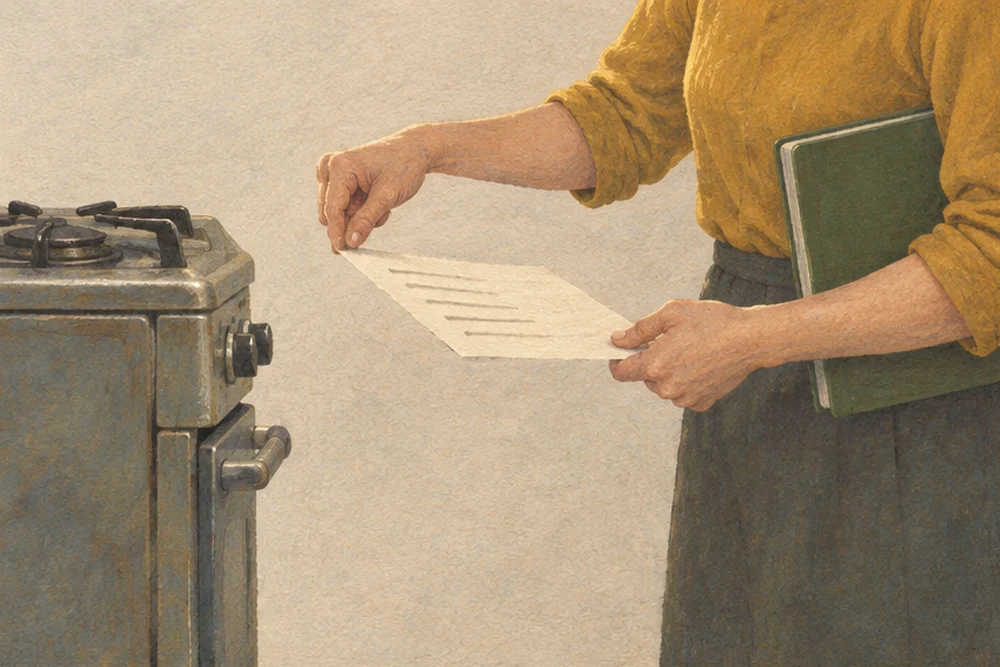
Ola ran one finger along the edge of the printed price sheet. “Could I put down a deposit and pay the rest in installments?”
“If your references check out. There’s interest.”
“How much?”
He showed her the terms. She took the page without agreeing. The weekly payments were possible only if she sold the full subscription run and kept the stall open. If two subscribers withdrew, the margin shrank. If the oven failed, she would be in worse trouble than before. Still, unlike the board’s allowance, the loan asked for money rather than control of every food sale in the terminal.
She stood outside the shop and called the seller back through the open door. “I’ll bring you my figures tomorrow. I’m not asking you to hold it longer than that.”
She spent the afternoon checking her figures from the beginning. The subscription deposits could buy flour and wrapping; the stall could pay for the next kitchen booking; the installments could come only from the money left after those costs and her own wages. She used a cautious estimate, not the full twelve loaves, because there was no guarantee the final four places would fill. She also wrote in a line for a refund if the oven arrived faulty.