Rent for an Empty Table
Chapter 16 · Every Second Crossing
Page 162 of 234
Chapters
The operator’s offer arrived in a cream envelope that had spent the night under Finn’s dispatch blotter. By the time he opened it, the paper had taken on a faint blue stamp from the tide chart. Funding for the supper room, it said, could be made available on the terminal’s busiest nights: Fridays, Saturdays, and the holiday crossings. A limited service, subject to review. No commitment beyond the season.
Finn read the paragraph twice, then carried it into the waiting room. The folding table was still tucked in the broom alcove, its metal legs crossed like a pair of scissors. The room itself had been cleared for the safety review after the storm, then reopened with a strip of yellow tape marking a damp patch near the east doors. Outside the glass, the slip shone pewter in the first gray of morning.
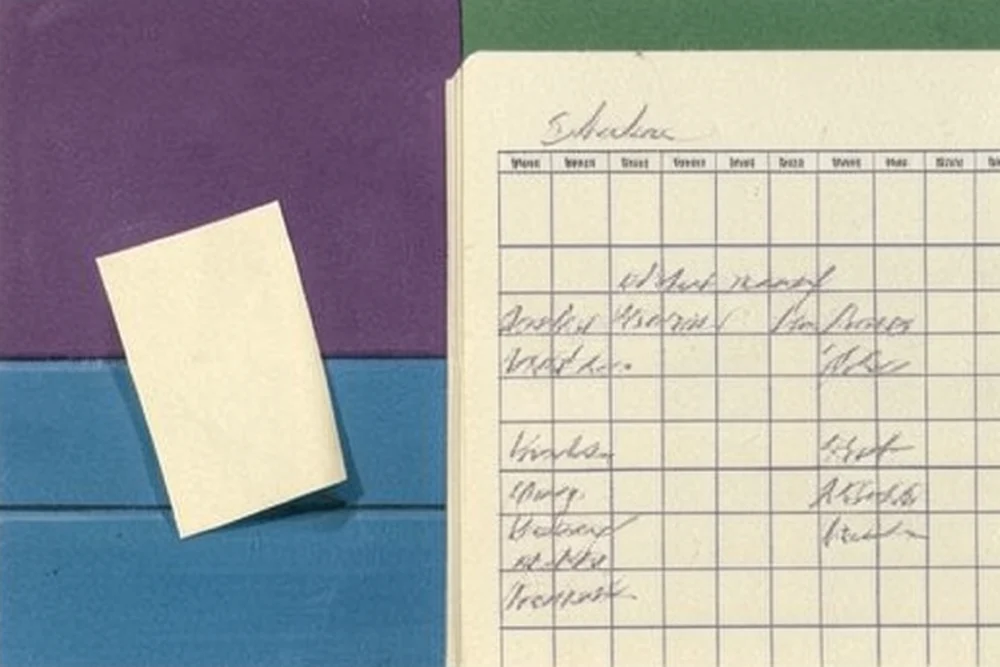
Dev was leaning over a paper schedule at the end of the bench, orange bib bright against his slate hoodie. He had drawn a grid in thick black pen, then written names and shift hours into it. He looked up when Finn set the letter down.
“They’ll pay for three nights,” Finn said. “If we can show the cost stays inside that.”
Dev didn’t touch the letter. He pressed his thumb against the edge of the schedule to stop it curling. “Three nights doesn’t mean three nights for the people here.”
“They’ve called them the busiest crossings.”
“That’s not the same as busiest shifts.” He turned the schedule around. “Look.”
Finn leaned over it. Dev had marked the boats, the ramp shifts, the vehicle checks, the late cleaning, and the hours when the crews changed. A Friday departure crowded the schedule with names, but a Tuesday night crossing brought a smaller crew that stayed working just as long. The people assigned to those nights weren’t an abstract remainder. Dev had written each name in careful block letters.
“If the room is open only when the boat count looks good,” Dev said, “then whoever draws the quieter roster gets told their supper doesn’t fit the budget.”
Finn glanced at the names. He knew all of them, though some he knew better by the sound of their footsteps on the dispatch stairs than by their faces. The plan on the page was plain and defensible: people working past midnight, people on the ramp, people who had no chance to walk uphill for food. The operator’s plan was plain too. That was what made it difficult. A bad plan could be rejected without explaining anything.