Ferry Receipts for Warnings Never Sent
Page 110 of 248
Chapters
“Not until the hearing clerk requests it. The scan establishes what we found. The original stays in the packet.”
“That gives them room to say the scan is wrong.”
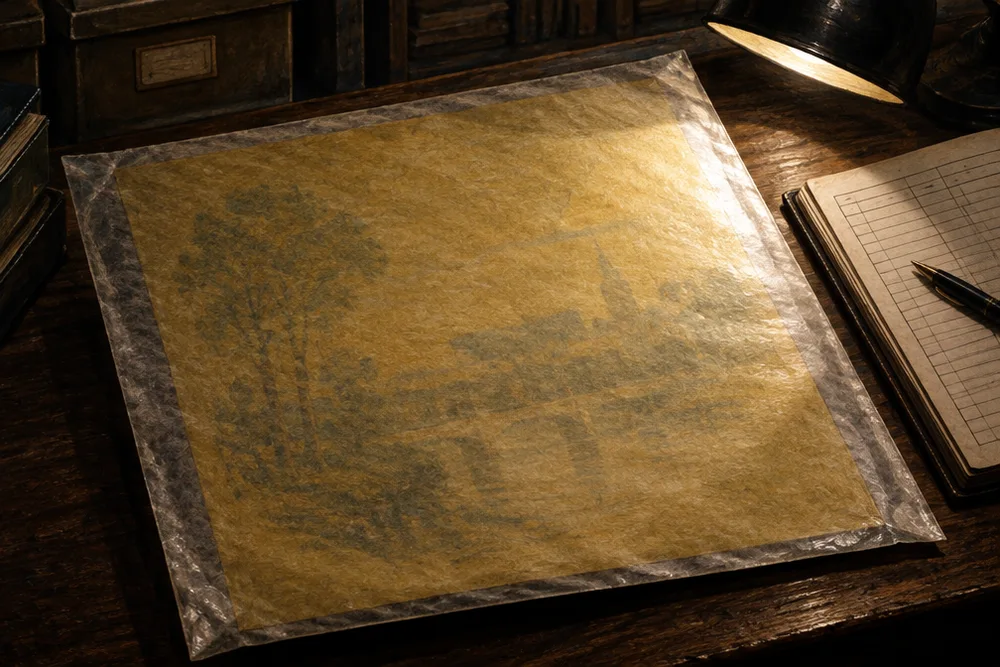
“Then the packet can be examined.” Elías looked at the yellow triangle visible through the sleeve. “I won’t make the record stronger by pretending it proves more.”
The control page emerged. Merrit read it over, checked the time, and wrote the archive location. Elías added a note identifying the blue clipboard as terminal property, borrowed by intake during the flood. He did not remember whether he had personally handed it to Hester or left it on the desk for her to use. He wrote only what he knew: it had been used to hold the provisional bed count and returned to the incident packet.
Merrit watched him finish. “And the overnight mooring?”
“Put that in the packet too.”
“You could wait. It may not be relevant to the count.”
“It is relevant to why there are passenger estimates, and to what those estimates do and don’t tell us.” Elías capped the pen. “If the county sees the sheet and asks how people got beds aboard, I’m not going to call it a service delay.”
A service delay was a phrase that could keep a manager’s approval clean. It could also turn an unapproved decision into a harmless scheduling problem. Elías had learned how quickly a label outlived the people who had made the choice. He had used the ferry as a dormitory without authorization. If the terminal reviewed it, he would answer for that. He would not let the label make it disappear.
The secure message to the hearing clerk took longer than the scan. Merrit checked the address against the directory twice. Elías dictated a plain description: original provisional bed count located in the archived terminal operations packet; full heading visible; witnessed scan attached; original retained under seal for inspection. He added the passenger estimates and the note about the overnight berth procedure. No names from the upper deck were included, because none were recorded on the sheet.
When Merrit asked whether to include the warning-route discrepancy, Elías said yes, but only as a separate attachment. The crew sheet ended before the Lower Thread inner doors. It could not support a claim that no warning had reached any particular person. It could support the narrower fact that the available route record did not document a visit there. The distinction might frustrate the panel. It was still the honest one.