A Small Fortune in Unclaimed Echoes
Page 161 of 186
Chapters
“The court can test the evidence,” Judge Lorne said. “It need not pretend it is not here.”
Iona’s hands were clasped on the table, fingers aligned. “If the auction is stopped, the refinancing will fail.”
“That may be a consequence,” the judge said. “It is not an answer to the title question.”
Fenna glanced at the horns. The brass one caught a thin bar of window light. The rest remained dull under the cover, their surfaces holding dust and old fingerprints. They had survived as a set through one collector’s keeping, then been split by a repeated line in a ledger. Now another paper process proposed to split them again, this time with four signatures.
The judge asked each counsel to address the remedy. The estate’s solicitor argued that a brief pause would preserve the property while the old accounts were reviewed. The cooperative’s counsel requested that the horns remain together, that the annex remain accessible, and that no transfer occur until the liability was reconciled. Pellit urged the court to allow the auction to proceed subject to later adjustment.
“Later adjustment by whom?” Judge Lorne asked. “From what fund?”
Pellit said the proceeds could be held in escrow. The cooperative’s counsel pointed out that a sale divided into four lots would already make the central factual question harder to remedy. If the buyers received separate bills of sale and separate histories, the objects might be dispersed before anyone knew which amount had been paid, which had been held, and who had authority to sell them.
“The proposed buyer agreements are not neutral,” the judge said. “They compel a buyer to accept a version of events that is inconsistent with the other agreements and with the evidence presently before the court.”
Iona leaned toward Pellit. He whispered to her. She shook her head once.
Fenna felt no satisfaction. The sums were not abstractions now. One claim belonged to the estate, another to the cooperative, and the old deposit had been carried in a dormant liability account where its existence was visible but its meaning had been concealed by the duplicated sale. The current bidders had each been told to buy one horn and not listen. Their money, too, had been shaped into separate pieces, each with a different explanation. The contracts offered a tidy picture because they required everyone to stop asking what had happened before the picture was made.
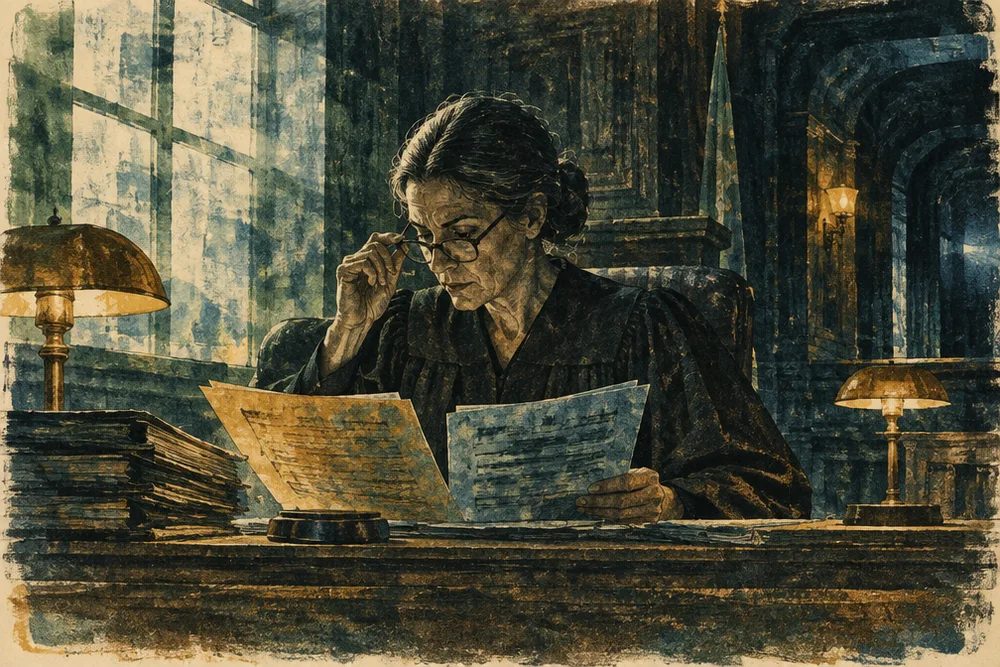
Judge Lorne removed her glasses and rubbed the bridge of her nose. “I am not deciding today who owes what, or whether any individual bidder committed an offense. I am deciding whether this auction can cure the competing claims.”