A Light for One Window
Page 98 of 225
Chapters
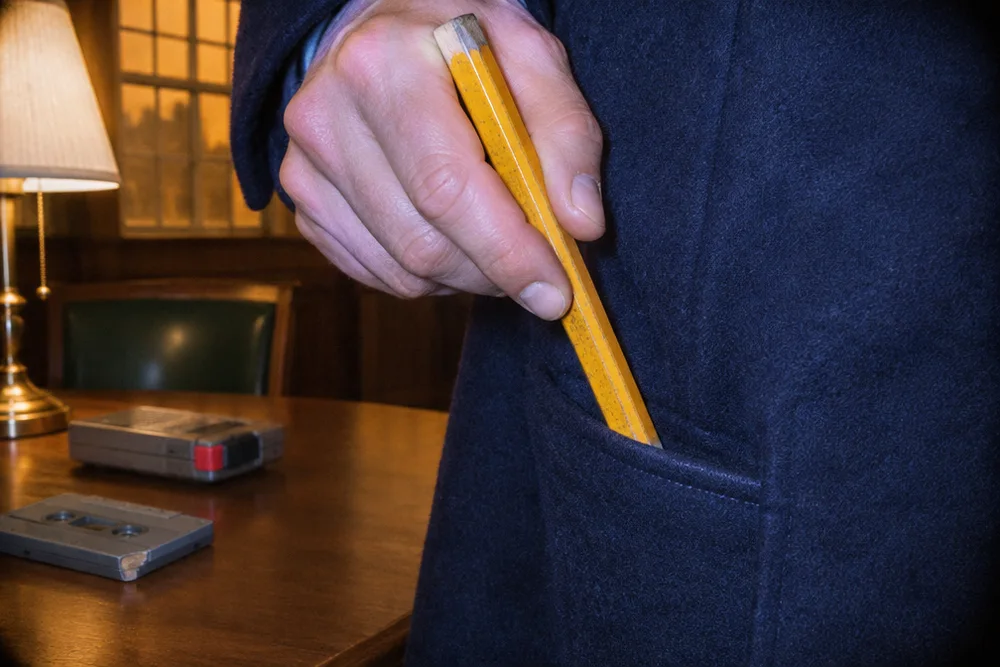
“No. I carry Gran’s.” He bent to the table, pencil rolling between his fingers. “And I carry the fact that she doesn’t know the year. Both can be true.”
Tamsin listened to the room rearrange itself around that. She had assumed the committee would either accept the tape as evidence or refuse it as unreliable. Instead, they were asking it to serve as a decoration: harmless, perhaps even welcome, so long as it did not disturb the plaque’s first sentence.
“The award has two requirements,” Orla said. “An approved master and service as window keeper. We can’t waive the first one for a shortlisted recorder. It would be unfair to the others, even if there were only you this year.”
“There aren’t others,” Tamsin said.
“The terms still apply.” Orla took off her glasses and rubbed the bridge of her nose. The amber lenses made pale squares on the table. “I’m not saying I like this. I’m telling you what I can authorize.”
Tamsin’s fingers tightened around the red latch. She was the sole shortlisted recorder. She had thought that meant the committee had chosen her. Now it sounded like a narrower thing: they had chosen the work they could approve.
“Could we take out the sentence about the first November?” Tamsin asked. “Say the vigil gathers to remember people lost at sea, and that the custom grew from neighbors keeping lamps in their windows?”
“You have no dated evidence for the second part,” Pell said.
“We have the tape, the photograph, and the sequence Nell remembers.”
“Not a date.”
“No.” Tamsin made herself leave the answer standing. “Not a date.”
Mrs. Dyer turned a page in her folder. “The archive asks us to distinguish oral history from established fact. It doesn’t forbid it. But an award master needs a clear account.”
“Clear isn’t the same as certain,” Nell said.
“No,” Orla replied, “but an approved master has to be one the committee can stand behind.”
That was the hinge. Tamsin could hear it now: not whether Nell’s memory was admissible, not whether the sailors’ names mattered, but whether the committee would stand beside a version that left the first blank. They would not. Maybe they feared a donor’s complaint. Maybe they feared families would hear the correction as a demotion. Maybe they simply knew the familiar sentence could carry them through the ceremony without trouble.
Wystan slid his pencil into his coat pocket. “If you keep the tape out, don’t keep Gran’s name on the project as if she agreed with the rest.”