A Light for One Window
Chapter 16 · Two Masters, One Envelope
Page 172 of 225
Chapters
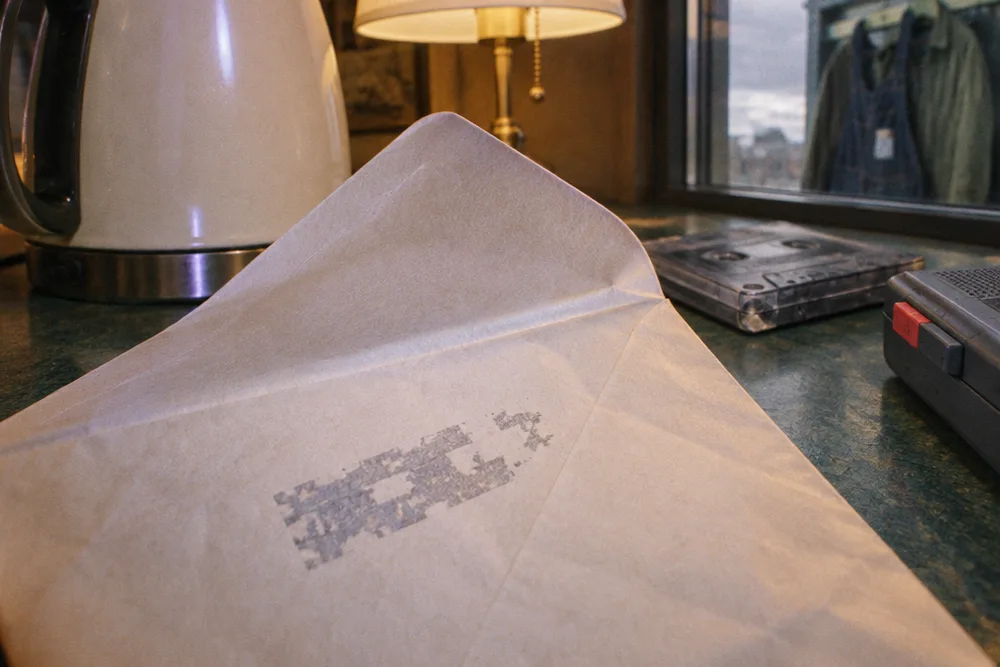
The envelope lay beside the kettle, its flap still open. Tamsin had written her name on it in block letters, then rubbed at the T until the paper went soft. On the table, the gray recorder with the red latch sat between two cassette cases. One held the approved cut. The other held the layered master, with its pauses, voices, and careful marks where the record stopped.
At Fold and Hem, the shop shutters rattled in the wind. Bess stood behind the alterations counter in her marine-blue smock, yellow tape measure looped around her neck. She had finished her morning appointments and cleared a space on the worktable between a stack of trouser hems and the household ledger.
“No tea near the tapes,” Tamsin said, nudging Bess’s mug away from the recorder.
“I know how not to drown a cassette,” Bess said. She planted her feet wide, as if the table might try to shift. “You asked me to listen. I’m listening. I’m not going to choose for you.”
Tamsin set the approved cut in the player. She had assembled it for the committee preview, and after the refusal she had kept it anyway, telling herself it might help her understand what she had made. The tape clicked, hissed, and began with her own voice: calm, low, perfectly placed. The first November, she said, the harbor gathered in remembrance of sailors lost at sea. The language came from the plaque and Orla’s draft, but in Tamsin’s mouth it sounded like something measured and verified.
She had trimmed away the places where Orla hesitated. She had laid a soft breath between sentences and lowered the clack of a chair beneath the word first. Even the pause before the claim seemed deliberate now, a clean little ledge for the listener to stand on.
Bess’s face stayed still. The chipped front tooth showed when she pressed her lips together. Tamsin watched the reels turn and felt, with each polished sentence, the older tape’s rougher truth receding beneath it.
The approved cut went on to explain the eleven-minute blackout, the bell keeper’s walk between rounds, and the names remembered at the second bell. It was accurate about the ritual as it stood now. It simply began too soon, too neatly, with grief already organized into a public ceremony.
When the cut ended, the player clicked off. Tamsin did not reach for it. The shop’s front window reflected the gray sky and the workwear hanging inside. Beyond the glass, someone passed carrying a coil of rope over one shoulder.