A Light for One Window
Page 2 of 225
Chapters
Tamsin glanced through the shop curtain toward the counter, where a customer was waiting with a split cuff. She could hear the harbor beyond the street, a low wash of water and rigging. In November, the harbor-facing windows would go dark for eleven minutes. One pane in the old Stitch Room would stay bright. The window keeper stood there at the first bell and pulled the brass chain on the lamp.
“I want to be the one who lights it,” she said.
“I know.” Bess handed her the pencil. “Go make the recording they asked for. Then decide what you can live with.”
Tamsin left by the shop door with the pencil in her pocket. From the far side of the basin she could see the Stitch Room above the net sheds, its single tall pane paler than the doors beneath it. The strip of public landing looked scarcely wide enough for one person to wait on. Two figures crossed it while she watched. The first turned sideways to let the second pass, and for a moment she could see the water between their legs.
She went the long way round rather than take the cut behind the sheds. She had allowed herself ten minutes to get there and wanted to use all ten. In the recorder case she had two takes of the practice passage. The first had been made on the landing, where an opening door had dragged across the end of a sentence. The second, made at school, was clear all the way through. She had put the landing take first on the sample tape. At the shop, with the fee written down in Bess’s ledger, she had begun to wish she’d put the clear one first.
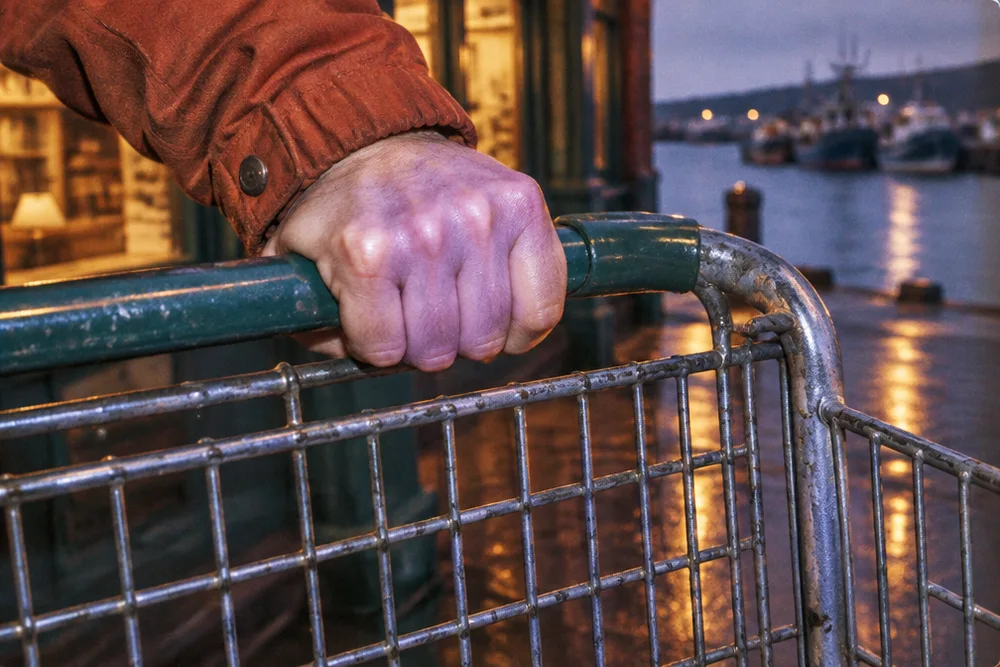
At the foot of the loft stair a woman with a wire shopping trolley was trying to read a notice through the glass of the street door. Every time she took a hand off the trolley to shade her eyes, it rolled a little farther down the slope. Tamsin caught it by the handle.
“Thanks. Is that for this year?” the woman asked.
The notice was typed on cream paper. The November date was right. Beneath it, in much larger letters: AT THE FIRST BELL, PLEASE PUT OUT YOUR LIGHTS. A fold in the bottom of the sheet lifted toward the glass, hiding the line below.
“Yes,” Tamsin said. “You put them back on at the second bell.”
“Even at the sheds?”