A Hem Full of Tomorrow
Page 94 of 286
Chapters
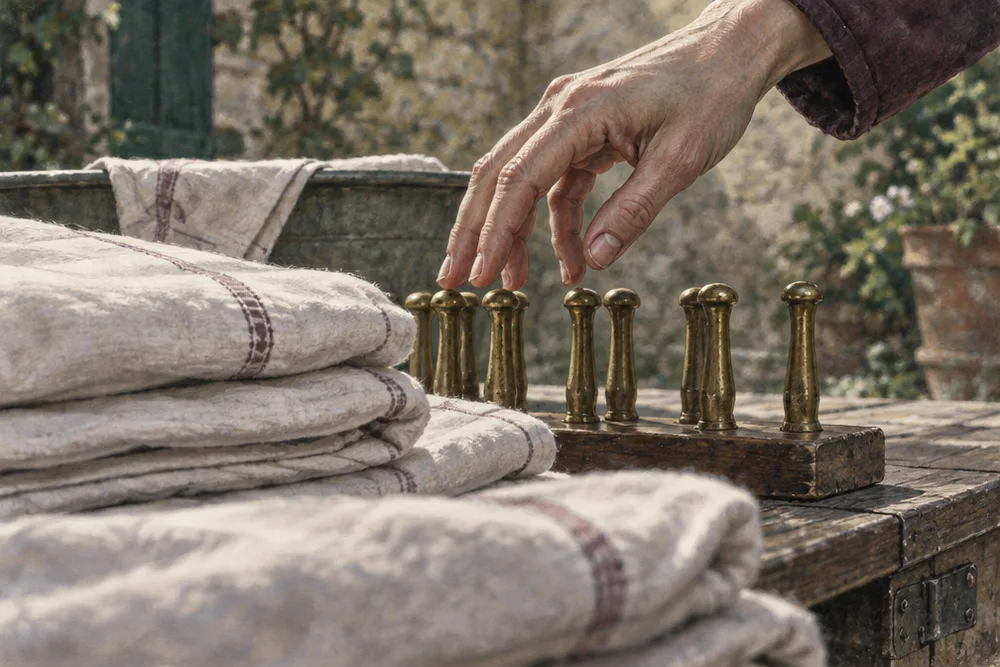
“If I say no to something, will you still put my name on the list?” the woman asked.
“Only if you tell me to.”
“And if I change my mind?”
“Then we change it.”
Fenna heard the words as a promise with work attached. She would have to bring copies back, take corrections, and keep the names from becoming another official roll that treated a signature as permission for everything. She wrote her own name at the top of the page as the person responsible for the copies.
A woman who owned two of the roof lines arrived carrying a bundle of clean pillowcases. Her hair was pinned beneath a knitted cap, and she spoke with the brisk assurance of someone accustomed to being asked for permission. Bess introduced her as Mrs. Vale, then went back to checking the wash water.
Mrs. Vale looked over the names Fenna had collected. “You’ll want the owners’ roll attached. It gives the council something it can verify.”
“I have the roll,” Fenna said. “I’m listing the people who use the light, too.”
“If the morning comes back all at once, the people who paid to maintain the lines should have first right to them. That’s only fair.” Mrs. Vale set the pillowcases down, squared their edges, and gave Fenna a patient look. “We can say that together at the hearing. No need to confuse them with separate claims.”
Bess stopped sorting pegs. The saucer clicked once against the table as she set a peg down.
Fenna looked at the notebook, then at Mrs. Vale. The phrase together had sounded convenient when she had first come up the stair. Now it seemed to mean that one answer would be put over several people, whether they agreed or not.
“The hearing needs to know who depends on the daylight,” Fenna said. “It also needs to know what residents want done with it.”
Mrs. Vale’s mouth tightened. “You’re inviting disorder. Everyone will ask for the best hours. The lines can’t all be first.”
“That’s true,” Fenna said. “But it’s not the same as saying the owners decide for everyone.”
Mrs. Vale lifted the pillowcases again. “When you’re finished making this difficult, let me know. I’ll have the line keepers come here and explain how it works.”
“They can give their own statements,” Fenna replied. “So can the renters.”
Mrs. Vale left without taking the owners’ roll. The pillowcases disappeared through the courtyard door, their edges still squared beneath her arm. Fenna felt the cost of the exchange before anyone named it: she had needed owners to support the restitution case, and now one of them could decide not to.