A Hem Full of Tomorrow
Chapter 15 · The Bright Side of the Seam
Page 184 of 286
Chapters
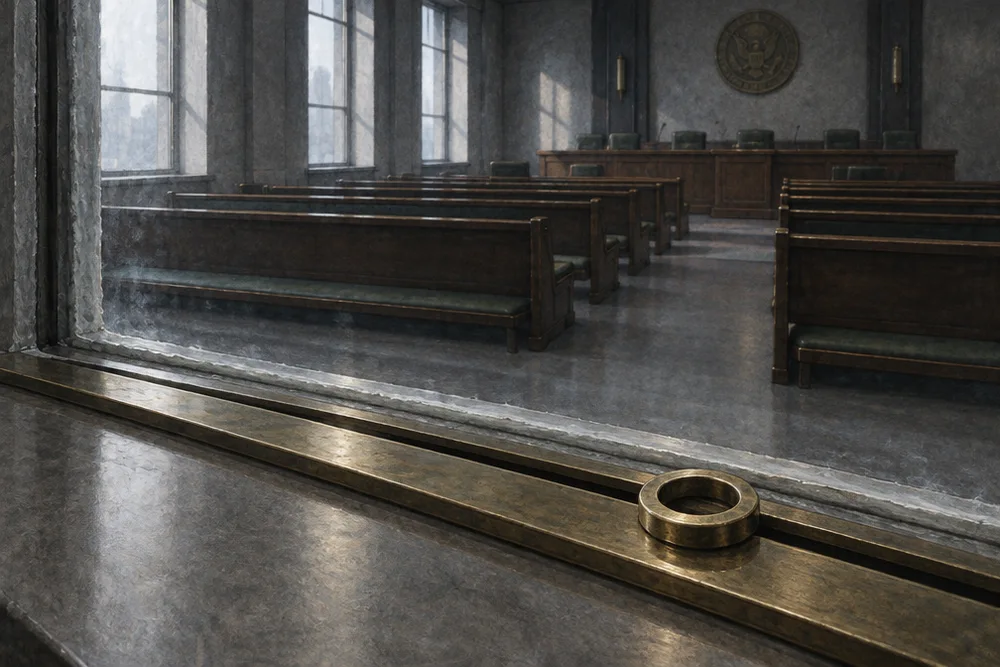
The hearing room had been lent to the public but not made comfortable for them. Its benches faced a glazed council window, and a brass rail kept the people waiting to speak from crowding the clerks’ table. Fenna stood on the public side with Bess Orrel and a stack of statements tied in clean cotton tape. Beyond the glass, the council chamber’s tall clock showed nine minutes past the hour.
“You’ve put the tenants first,” Bess said, tapping the top page. “Good. The owners can wait to hear themselves.”
“I put them in the order they asked for,” Fenna said. Her left shoulder had crept up toward her ear. She forced it down and rubbed the iron-warm ache from her palm. “If the light runs out, we need to know exactly when.”
The committee had granted them one rehearsal in the hall before the annual hearing. They could use the council window and Fenna’s inspection curtain, but they could not alter the room or its fittings. That restriction had sounded small when Siv Renn read it aloud. Now the curtain lay furled on the table, its crooked red seam tucked inside, while the window showed only the gray morning clouds pressed against the city.
A tenant named Olla came in from Ninth Rise carrying a folded statement and a damp sleeve. She apologized for the water darkening the paper. Bess told her to stop apologizing and sit down. Olla had a young son whose school hours had been shifted to match the short sun; she wanted the council to hear that the change had not made him safer, only more tired.
Fenna glanced at the green ledger with its torn lower corner. Lio had brought it, along with his careful notes on the allotment. She could not read the columns from where she stood, but she knew the figures were supposed to give the hearing its shape: sunlight returned, train service replaced, hours accounted for. Their rehearsal would tell them whether a person could finish speaking before the window went dark.
“We’ll time it,” Fenna said. “Nobody rushes. If we lose the light, we stop and find out where.”
The window was not a window in the ordinary sense. Its lower pane had been fitted with a narrow brass channel for the curtain rings, and its glass was clouded with old sealant where the railway had once mounted notices. When Fenna slid the first ring onto the channel, the brass gave a dry little squeal.