A Hem Full of Tomorrow
Page 260 of 286
Chapters
“I know.” The woman’s gaze shifted to the second slate, now propped by the roof door. A few more tenant names had been added. “My line may have a free stretch after the next wash. I’ll tell Bess before I offer it.”
Bess said, “I’ll put that down as a possible opening, not a promise.”
“Fine.” The owner went back to her blankets.
Fenna felt the distance between them remain, but it had become more specific: a dispute over access, time, and who could make which offer. She could work with specifics. A door she had imagined opening to anyone was still far away; for now, she had a roof owner ordering repairs and paying the same price as the shared kitchens. It was not friendship, and it did not need to be.
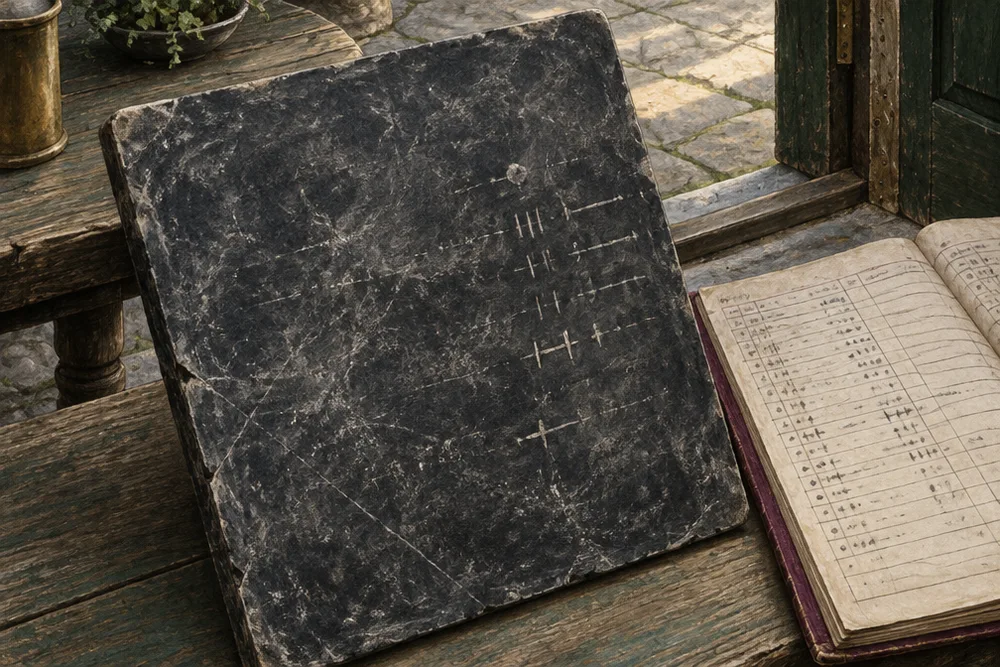
By midafternoon, the sun had shifted enough that the shared courtyard fell into shade. The tenants’ sign-up had grown. Bess carried the second slate from the roof and set it beside the sewing table, where people could add their names without passing through the owners’ group.
“We should keep copies,” Fenna said. “If the slate gets washed or rubbed, the names go with it.”
“I can copy it onto paper,” Bess said. “But I’m not giving it to the roof owners to manage.”
“I didn’t ask you to.”
“You were about to say the council should have it.”
Fenna paused. She had been about to say something close to that. The council had returned the light, but it had not earned the right to run every small decision in Ninth Rise. “A copy for your records,” she said. “And one for the tenants who signed. Not the owners, not the council.”
Bess nodded once. “That’s better.”
The tenant with the child shirt bent over the slate. “If the next opening is after my shift, I can use it. If it’s before, I can’t get the bedding up the stair in time.”
“Write the hours you can manage beside your name,” Bess said. “We’ll see where they overlap.”
Fenna watched Bess make a small mark beside the tenant’s entry. The mark did not guarantee a dry bed. It did make the tenant’s schedule part of the question, rather than an inconvenience somebody else could dismiss. The old order had made people’s hours invisible. The new one had not fixed the shortage of line, but it had begun to name who was waiting and what they needed.