A Hem Full of Tomorrow
Page 193 of 286
Chapters
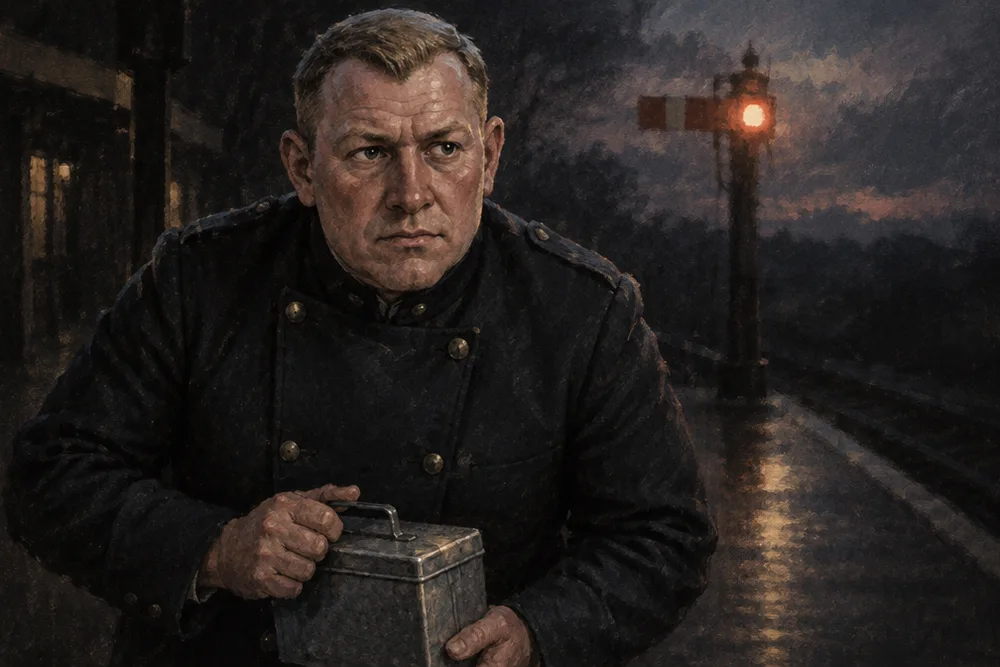
Dain’s mouth tightened. He shifted the lunch tin to his other hand. “You know who’s on it.”
“I do.”
“My father’s on it, when he goes to the lower clinic. Not tonight, but he has to know which trips still run. The riders don’t get to choose a different timetable because a hearing’s been booked.”
Fenna’s first impulse was to promise she would find a way around the cost. She had no way. “I’m not asking you to pretend the cancellation doesn’t matter.”
Dain leaned his shoulder against the station post. “Good. Don’t. Tell the people who’ll lose the train before it happens. If you make the decision in a room upstairs and announce it after the board goes blank, they’ll think you planned to leave them standing.”
Lio held the ledger with both hands. “The council can decide whether the extra testimony is worth the service loss.”
“The council can decide a lot of things after somebody else pays for them,” Dain said. He glanced at Fenna, not unkindly. “You’ll need to put the cost where they can see it.”
Fenna looked through the station’s street-facing windows, where clouds hid the lower viaduct. She understood the immediate cost now, not as a line in a ledger but as a journey that would have to be made another way.
“We will,” she said. “Before the hearing.”
Back in the pressroom, Fenna wrote the test result on a clean card: a short return of stored light extended the seam’s view but reduced the allotment for the evening lamps. Beside it she wrote Lio’s estimate that a full hearing would cancel one scheduled run. She did not write that the cost was acceptable. That would not be hers alone to decide.
Bess read the card and put her thumb over the word estimate. “If this is an estimate, say who made it.”
Fenna added Lio’s name. He nodded once, then took the pencil from her and wrote beneath his own name that the figure still required public verification. His handwriting was small, tight, and steady.
“Better,” Bess said. “The people at the hearing should know what you know and what you don’t.”
Fenna returned the iron to its stand. A faint warmth lingered in the fabric, but she had stopped before the lining could grow hot. The narrow view at the seam had dimmed again; the roof beyond was only a pale blur. The curtain no longer looked like a window. It looked like evidence that could be damaged by careless hands.