What the Station Keeps Warm
Page 17 of 207
Chapters
Iona showed her the draft report. “The heat is reaching the outer deck through the old fins. The dryer is on the branch. I think the charge is wrong, but if I report the device as unauthorized, it may be taken out.”
Bess read the report carefully. “And the residents?”
“I don’t know who they are. I have not opened the door logs.”
“Good.” Bess returned the terminal. “A person can be cold and still deserve not to be entered in a report.”
“If I don’t identify the source, the lender may cancel the loan.” Iona’s hand closed on the key. “I’ve saved the deposit for years.”
“I know.” Bess’s deep dimples appeared, but her smile did not. “I wanted to leave this place with enough to buy passage. You wanted a door that stays yours. Wanting something doesn’t make it wrong.”
“But?”
“But you’ll have to decide what you’re willing to make it cost.” Bess looked toward the bare sill. “I signed papers to keep the old fins from being dismantled. It seemed better to leave a little warmth in a few floors than spend the station’s money on removal. I thought the line was dead.”
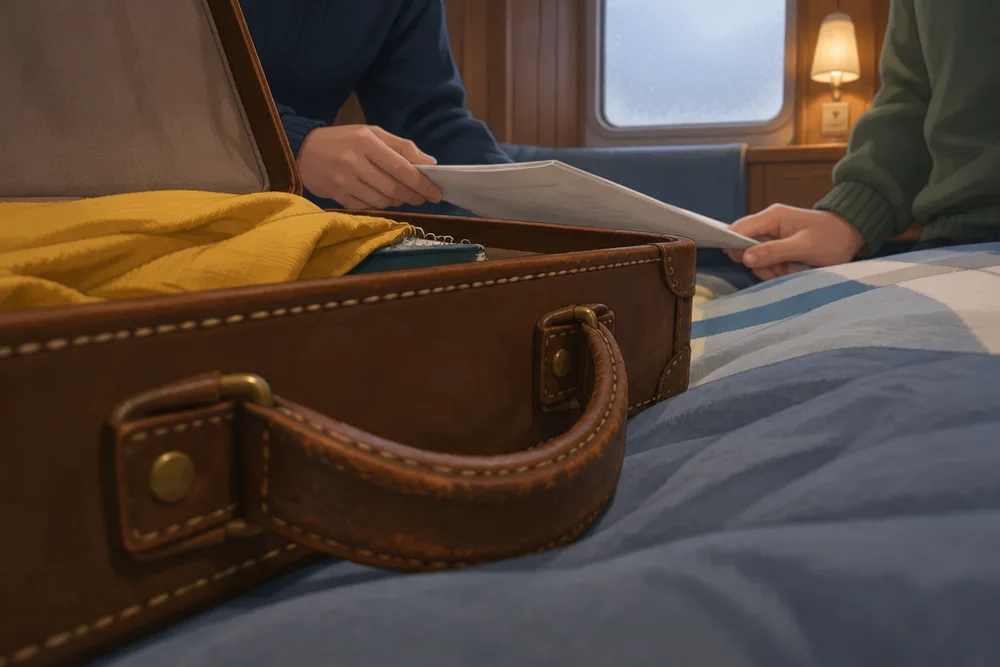
Iona searched her face. “You knew it might still work?”
“I knew the metal held heat. I didn’t know how it got there.” Bess’s chin remained high. “I should have demanded a proper inspection.”
The admission was neither a confession nor an excuse. It was another loose end in the ledger, another reason the station might treat the dryer as an unauthorized installation.
Iona took the report back. “I’ll finish the tracing before the deadline.”
Bess put one hand over hers, briefly. The brass key was between their palms. “Whatever you decide, don’t let the station pretend a bad account is a person’s fault.”
Iona left the cabin with the draft report folded under her arm. Its last blank field waited for a name. She could still enter one. She could still clear the debt. But first she had to find the heat, and she had less than a shift to do it.
Back in the laundry, Iona checked the equipment log and the sensor history together. The dryer had been tagged inactive six years ago. The sensor, however, showed periodic rises in temperature, each followed by a slow fall. The old machine’s status had not changed, but the heat reports had continued month after month.
She compared the spikes to the temperature readings she had taken on the outer deck. The values did not line up exactly; the handheld reader had been too slow, and her route too broad. But the warmer patches appeared in the same hours as the dryer’s reported rises. The instrument history suggested a pulse. The floor readings suggested a path.