The Tide Between Our Lines
Page 142 of 216
Chapters
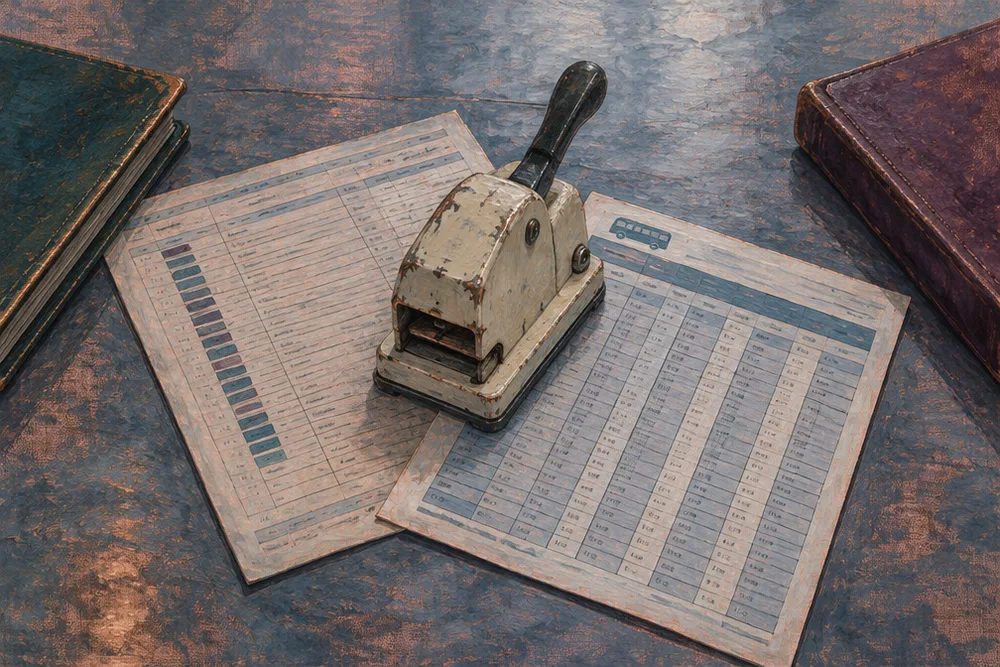
He slid the roster alongside his amended log. The entries were plain: shift start, bus arrival, closure, detour, late clock-in. Pell’s observed route sat in the margin, written in his own hand. Gethin had not named anyone who had not agreed to be named. “These are the shifts affected in the weeks we checked,” he said. “Not every shift, and not a promise of what the next season will do.”
Hales looked up. “The board’s supposed to fix the public walk.”
“The board can repair public landings,” Gethin said. “It cannot make a private doorstep sound, and it cannot make a locked gate public. That’s why the ferry has to be counted as a fallback, not a cure.” He heard how much that sounded like Orla’s careful language. He had learned it by watching careful distinctions get lost when nobody insisted on them.
Sella tapped the roster. “And the operator says the run loses money.”
“The trial ran at the wrong time.” Gethin drew the bus schedule from beneath his notes. “This one leaves after the bus arrives. It meets the grading shift. We test it for six weeks and record who boards, who doesn’t, and what it costs.”
Hales leaned back. “Who pays for the waiting around before launch?”
Gethin had expected that question. He had also expected the answer he’d given before: he could come in early, set the line, check the landing, and call the time his own. A favor was easy to promise because no one had to write it down. It was also how he had ended up doing work nobody counted until it failed.
“Preparation is work,” he said. “The pilot needs to be paid for it.”
Hales gave a short laugh, not unkindly. “You’re asking the graders to sponsor your hours?”
“I’m asking you to pay the time required to provide a service you want tested. If you won’t, put that in the agreement. Don’t call it a trial and leave the cost with the crew.” He kept his hands flat on the table, long wrists still. “The operator can say no. I need to know what I’m signing up for.”
Sella turned a page in the ledger. “We lose more than the price of a crossing when a whole crew comes in late.” She looked at Hales. “If we cap it at six weeks, we can use the attendance records and the ferry’s actual counts. We don’t commit beyond that.”