The River Has Another Door
Page 55 of 230
Chapters
“A householder can have someone to visit without asking us. If you want to arrange places for people who aren’t already somebody’s visitors, this is what the office can issue.”
“Can you apply before you know who’s coming?”
She ran a blunt fingernail down the edge of the sample. “The householder can ask us to check the room. We can’t issue anything with that line empty.”
Sami looked at the space meant for a name. They could have fitted their own in it, with room to spare. That was the one word on the form nobody had ever challenged. It was the other name, the one below it, that made theirs worth entering.
“Can I take the sample?”
The clerk looked at the pigeonhole, where the papers had stood in a tight row. “You can copy what you need.”
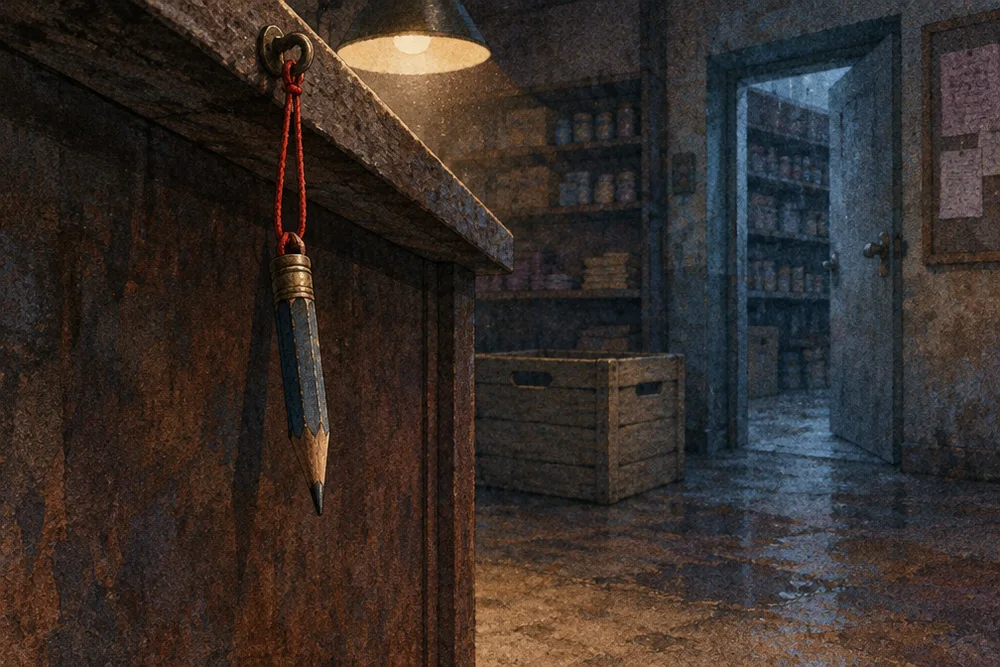
Sami copied the heading and the line about a substitute. The pencil tied to the counter was so short they had to hold it nearly upright. Behind them a man came in shaking rain off a rolled newspaper. He read the notices by the door, then read them again more slowly.
“How long does the check take?” Sami asked.
“If it’s a room we’ve seen before, not long. If it isn’t, we have to send somebody.”
“And if the person leaves before morning?”
The clerk stopped flattening the blotter. “They’re allowed to leave.”
“Even if the householder signed for them?”
“It’s not custody.” She said it quickly. Then she pulled the sheet nearer and read the small print herself. “The householder has to tell us when the stay ends. That’s so we don’t send anyone looking at the wrong house in an emergency.”
Sami could see the use of that. They could also picture walking out of somebody’s front door and knowing that by lunchtime the office would have a note about it. It was a different thing from shutting a bedroom door and expecting to find your belongings behind it when you came back.
“Do you have a list of rooms you’ve already checked?”
“Not one I can give out.”
The man behind them folded his newspaper in half. Sami shifted aside to give him room at the shelf, then stopped. They had nearly asked whether a house could be checked with their own name as an example. It would give them a straight answer about one room, if they found one. It would also send them up to a stranger’s door asking whether they could sleep there. Afterward they’d have to explain that they’d meant the question for somebody else.