The Names Beneath the Needle
Page 42 of 222
Chapters
At the rear bench, she took a piece of scrap twill and placed it in the hoop. The machine offered the stored hospital font. She could run the same name again, but the name wasn’t the problem; pressing the button would only make a second copy of the first assumption. She canceled the design and lifted the hoop away.
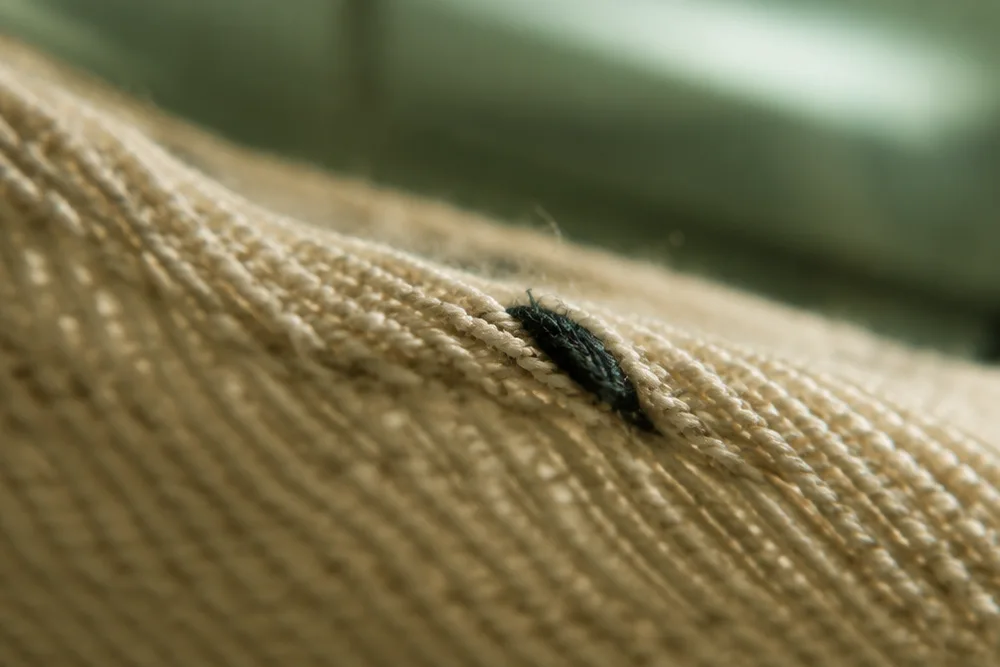
Instead she cut a narrow strip from the scrap and folded it over the edge of a practice square, testing how a removable patch might sit. She hooped the practice square and slid the frame back into place. The needle made a quiet, regular tapping. She used a number, not a name, on the sample: 14. The stitches crossed the twill cleanly. On the reverse, the thread formed a small dense knot of color.
She unhooped the fabric and examined the front. A patch could cover the number. It could be replaced. The holes would remain, though perhaps not where anyone looked. She ran a fingernail across the edge and felt the slight ridge. The result was serviceable, not invisible.
The experiment gave her one possible answer and several new questions. Would a patch irritate under a vest? Would someone want it removable? Would a number make the garment feel tracked? Could the temporary ticket be destroyed without losing the right size for a later repair? She wrote these on a scrap of paper, then tore it in half when she realized she had turned uncertainties into a new checklist without asking anyone.
At the counter, a passenger bought a pin cushion shaped like a tomato. Keziah wrapped it in tissue and took the coins. The terminal’s bus board flickered above the lockers. A child pressed a palm to the glass and watched the rain begin outside, each drop holding a pale reflection of the bay lights.
The shop was still hers to keep open for now. It was also still her mother’s shop in the ways a lease, a counter, and a drawer full of old slips could be hers. Keziah stood at the machine and felt the gap between those facts, wider than the width of the bench.
Ruth had said some people wanted to talk. Not all. Keziah would wait for the ones who chose to come. She would bring the blank swatch, ask what they wanted, and make the work ticket without collecting a reason. Before that, she needed to find a way for the garment to move through her hands without the payroll name following it.
She turned the practice patch face down. The dark reverse showed the stitches plainly; the front showed only the number. Keziah left both visible on the bench, unresolved, while the next bus sighed into the terminal.