The Names Beneath the Needle
Page 222 of 222
Chapters
Keziah nodded. She had once thought every finished garment should leave with a mark that proved the work had been done: a name, a label, a saved setting on the machine. Now the proof was in the seam holding and the wearer taking the garment home. The ticket could be discarded. The patch could be kept or not. No one else needed to know what lay under it.
The booking sheet remained on the table, six new dates entered in Ruth’s square handwriting. Beside it, the price board listed repairs and materials, not identities. The committee had not promised a crowd, and the receipts did not promise a future beyond the next stretch of work. Keziah understood the limits without mistaking them for failure. A room rented by the hour was not a storefront. A portable machine was not the machine she had sold. Quirina’s wages were wages because Keziah paid them, not because her mother had helped build the work.
She packed the needles into their tin and wrapped the pedal cord around the machine. The cash box went into her bag with the ledger, its pages full of amounts, dates, and numbered jobs. She had kept no key that could connect a number to a person. If someone needed a repair again, they could bring the garment back and tell her what they wanted. If they did not, the table would not chase them.
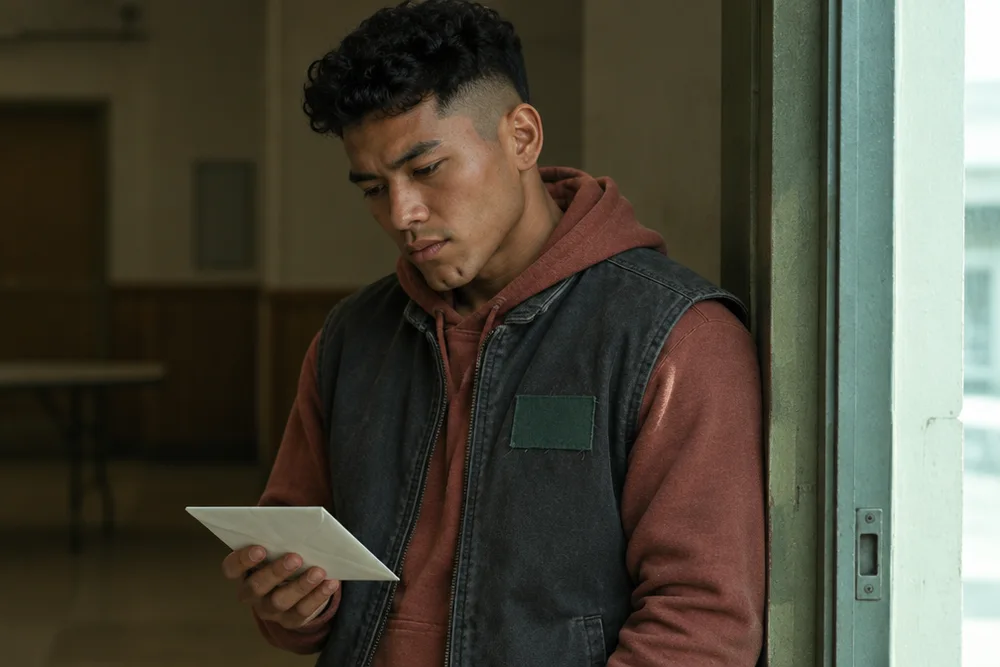
At the door, Nico pulled the vest on. He checked the shoulder seam, then the patch beneath it, and turned his arm as if testing whether the fabric would catch. It did not. He took the envelope from his pocket and held it for a moment. Keziah waited without offering an answer.
“I’ll keep it,” he said at last. “For now.”
“It’s yours.”
He put it away again, and the two of them stepped into the cold. Behind them, the hall’s folding tables stood ready for whatever the next booked date brought. The terminal lease stayed gone. There would be no return to the counter facing the concourse, no way to recover the traffic that had once carried strangers past the shop. But the hall table had a price board, a room for the work, and six more dates that did not require anyone to surrender a name.
Keziah carried the machine toward the bus stop. She had weekday hours to cover and a month’s worth of repairs waiting to be priced, but not a list of people to keep. When the next wearer came, the choice would be theirs: a name, a patch, a blank place, or nothing at all. The work could begin there.