The Names Beneath the Needle
Page 28 of 222
Chapters
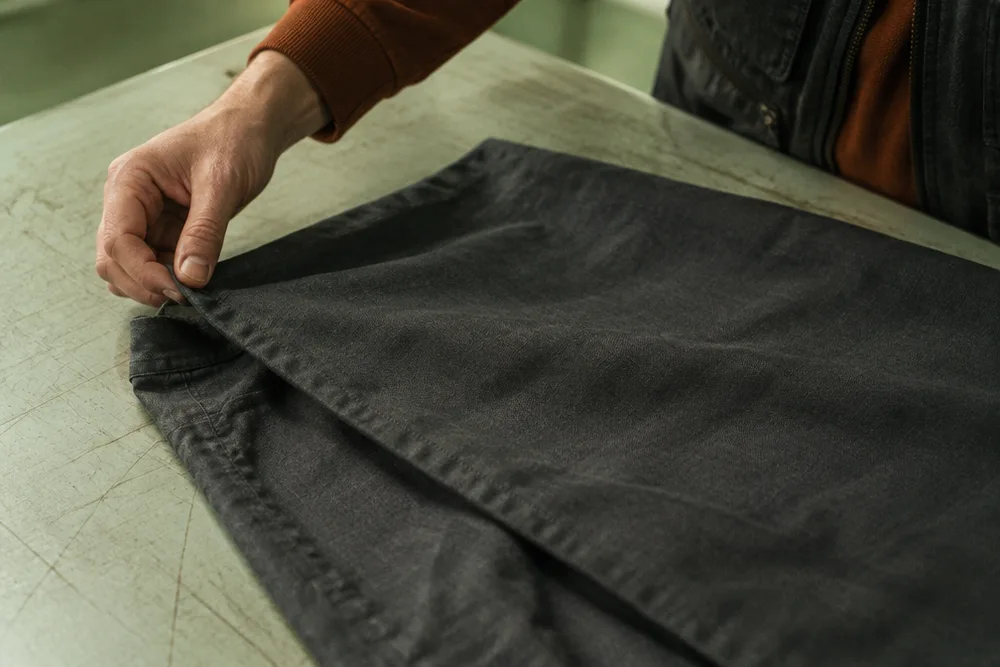
Keziah recognized one name from the spreadsheet. She did not say it. The garment’s tag, partly visible at the collar, held the matching employee number. The name on the front sat cleanly above the pocket. The young man did not touch it. He drew back one hand and tucked it into his vest pocket.
“Is that yours?” Keziah asked, then heard how quickly the question had left her mouth.
He looked at her. His face was heart-shaped, with close-set eyes and a deep dimple in his chin. “It’s the one they gave you.”
“Yes. It’s a sample. If the placement needs changing, I can—”
He turned the shirt face down on the table.
The movement was careful, not rough. He laid the cloth flat, keeping his fingers clear of the embroidery. The name disappeared against the table’s scratched surface. No one spoke. Keziah felt the room become smaller around the sample, though the carts and the open doorway had not moved.
Ruth stepped between the man and the table, not blocking him but giving him space. “We’ll take notes,” she said. “No one needs to answer on the spot.”
Celia looked from the shirt to the doorway. “If there’s an issue with the employee list, it needs to go through payroll.”
The young man’s shoulders lifted under his vest, then settled. “My badge gets me in. This is different.”
“The sample names are from the list we received,” Celia said. Her voice remained even. “The list is what the system can verify.”
“It verifies the list,” Ruth said. “That doesn’t tell you what people want stitched on a shirt.”
Keziah’s first impulse was to explain the file. She could say that the spreadsheet had supplied the names, that every sample matched the column, that she had no authority to edit an approved list. All of it was true. None of it answered the way the young man’s hand had withdrawn from the shirt.
She looked at the garment, turned face down. “I should have asked before I stitched them.”
Celia’s pale eyes shifted toward her. Ruth said nothing. The young man’s gaze remained on Keziah, not accusing, exactly, but alert to what she would say next.
“I can take notes now,” Keziah continued. “Or I can come back and ask each person what they want on the garment. The badge can stay separate.”
Celia folded one arm across her waist. “We need the sample approved this week. The production schedule is tight.”
“I understand.” Keziah was conscious of the tray, the costs she had entered, the hours the machine had taken. “I don’t need to change the credential. I need to know what to embroider.”