The Moon That Owed Us Rain
Page 155 of 212
Chapters
A woman from the upper gallery asked whether they would be returned to their rooms before morning. Istra said she could not promise it. An older man asked if the water would reach the villages. She said some of it could, but not all the amounts already promised. A child asked whether the rain would fall down when the field reversed. She said it should, if the routing worked.
No one thanked her. A few people turned away. One resident came to the table to read the note about the vacancy certificate, then looked at Istra’s face and said nothing. She let the silence remain. If she filled it with excuses, she would make the record less true.
Tem tapped the schedule. “The next pulse goes to one village. Not a string of them. If the shell takes another recovery period, we’ll have a reading before we pick the next destination.”
“Which village?” someone asked.
“We haven’t completed the queue,” Istra said. “The order has to reflect how much water each place has left, not who holds the oldest claim.” The charter’s first-draw rule was still active. She knew that a schedule based on the rule would send the most useful pulse toward Ninewells’ hilltop collector, where the city could take all of it before the hospital branch even opened.
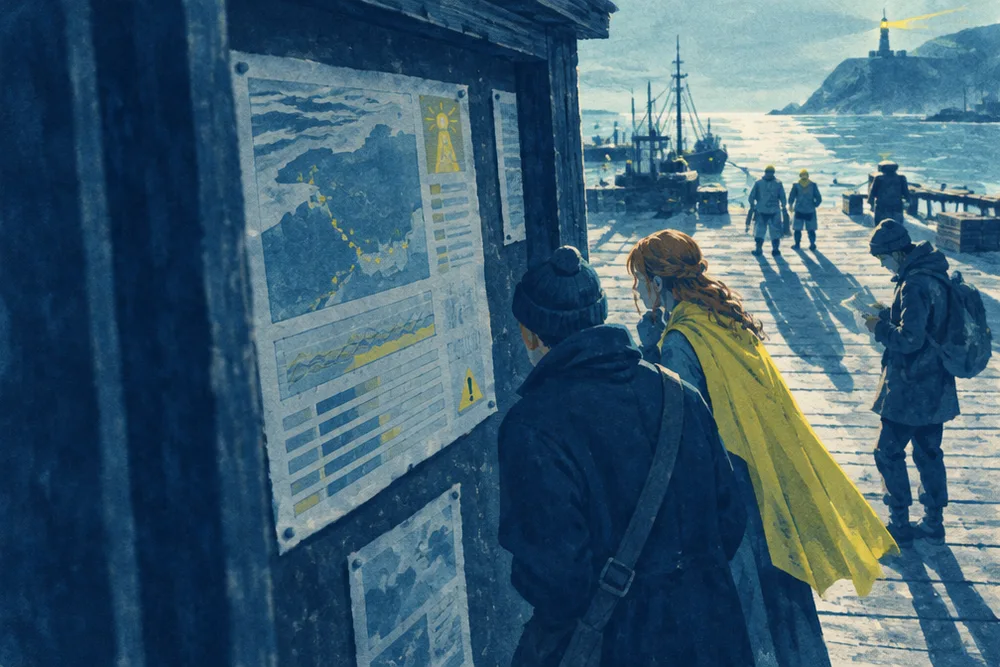
The dock radio crackled. A distant voice reported that the storm’s leading edge had reached the upper orbit track. Istra noted the time and felt the platform’s faint vibration under her soles. The last crossing was drawing nearer, and the field would not wait for every argument to finish.
She gathered the fresh readings and pinned them to the notice board. The updated sheet showed the shaft’s rising intake, the two small pulses, and the recovery times. Beneath those, she wrote in bold: FIRST-NIGHT DELIVERIES REDUCED. SCHEDULE SUBJECT TO STRAIN.
The residents read it in a quiet that was not agreement. They had been promised rain for generations, and now she had put the limit in ink before they could see the water. It was a small kind of honesty, not enough to repair a wall or fill a cistern, but something they could hold her to.
Istra carried the valve log back to the panel. The gauge stood steady for the moment. Outside, the storm climbed toward Latch, and the shell kept drawing water into itself.
The next measurement came sooner than Istra wanted and later than the warning system predicted. The shaft level climbed to the third lemon mark, then stopped. The seam gauge rose, settled, and rose again in small pulses. She recorded each fluctuation rather than averaging it away. Tem listened at the inspection port until the deeper ring’s vibration softened.