The Laundromat Where Clocks Go Missing
Page 152 of 213
Chapters
At the application counter, the clerk checked the pages for the required notices and warned them the request might be assigned to a hearing officer rather than decided immediately. Vela could hear the clock above the counter ticking. It had a brass-colored face and a little plastic second hand that shivered at each mark. She thought of the cheap clocks, their missing springs, and the one with a loom spring holding the opening in its case. This clock was only a clock. It kept time without offering a way through it.
The clerk stamped their copy and gave them a receipt. Then she took the packet through a door to the administrative offices. Vela and Kit waited on a bench beneath a noticeboard crowded with forms. After twenty minutes, a man came out, asked whether they could attend a short case-management meeting the following day, and explained that the emergency request could be heard the morning the conduit work was scheduled. The sale would not be automatically suspended. They would have to show why the transfer should be held while the accounting was reviewed.
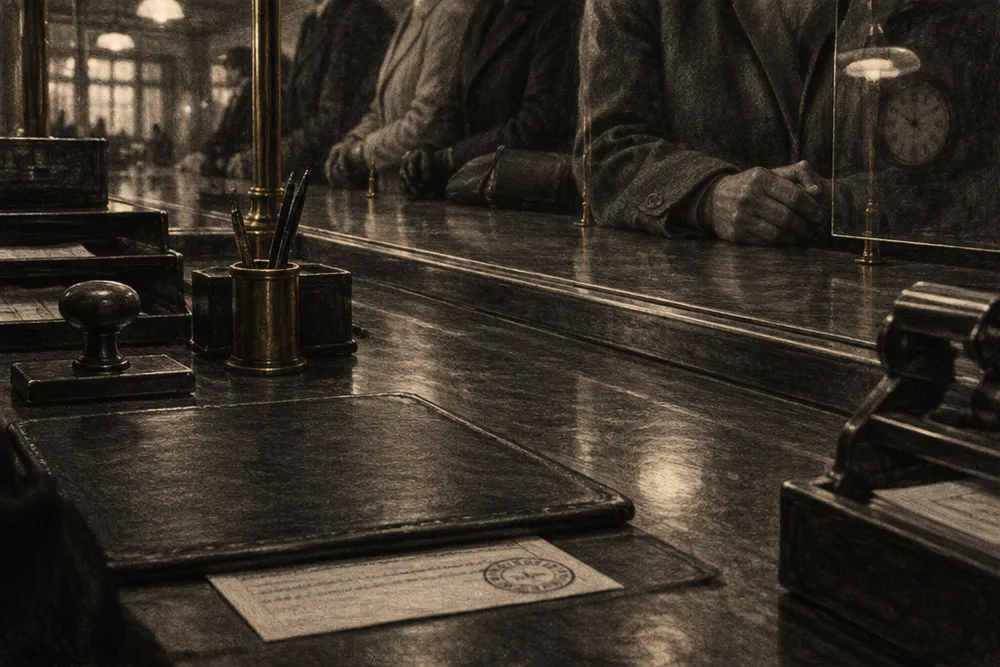
Vela asked how long the conduit work would take. The man said the contractor had scheduled a closure that same morning, before midday. The overlap, if it opened, would end with it. “So the hearing is the morning of the seal,” she said. “That is what the schedule says.” He did not offer to change it. Kit asked for the hearing notice in writing. The man promised it would be issued by the end of the day.
When they left the counter, Vela felt neither relief nor triumph. She had made the evidence legible to an office that could act, but the hearing was not yet a ruling and the sale remained on the calendar. The notice would have to reach the tenants, Mara, and Ivo. The clock’s narrow window had not widened for their filing. She tucked the stamped receipt into her inside pocket, against the folded relocation offer she had refused, and headed downhill with Kit. By morning of the conduit closure, they would have to make their case in a room full of people who had not watched the dryers turn.