The Laundromat Where Clocks Go Missing
Page 130 of 213
Chapters
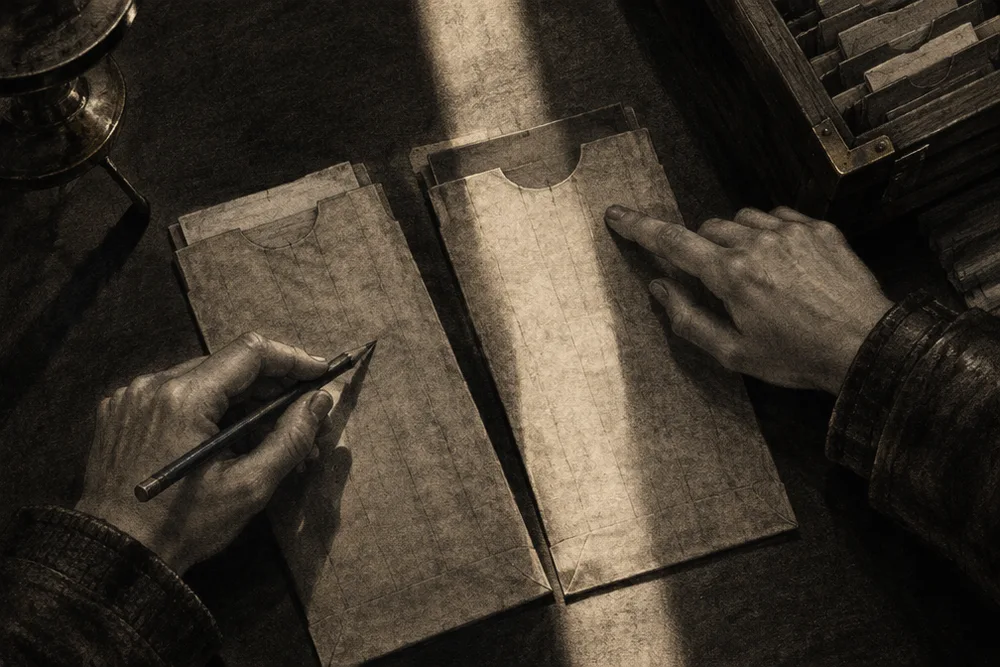
“Keep it that way until the papers are copied.”
“I will.”
“And don’t confront him alone.”
Vela gave a brief, humorless smile. “I’ve had enough of private conversations with Rusk.”
“Private conversations are where he makes the terms.” Mara turned the sleeve so the schedule’s marked edge faced inward. “He will offer you something. He will say it’s for your own security, or for the tenants’ peace. He will try to make you think you’re protecting people by leaving one page out.”
“I know.”
“Do you?”
Vela saw again the desk clock ticking beside the eviction list, its repaired spring catching against the case. She remembered Rusk offering to wipe her arrears if she signed his statement. She had refused, but the offer had found its mark anyway: for weeks she had told herself that if she stayed careful enough, she might keep her room and keep the laundromat from becoming another piece of his leverage. She had been trying to bargain privately for security, even after she had learned what his private records could do.
“I know more than I did,” she said.
Mara seemed to accept that as an answer. She took her coat from the chair but did not put it on. “When is the hearing?”
“The morning of the conduit closure.”
“Then I have little time to decide what I can carry there.”
“You just agreed to testify.”
“I agreed on conditions. I still have to find the receipts and make sure my signature is not the only thing anyone sees.”
“The escrow box has signed acknowledgments from Rusk.”
“Those show the cash deposits. They do not prove the brass was paid as rent.”
“No,” Vela said. “They don’t.”
Mara fastened her coat. The conversation had not solved the missing panel, the false receipts, or the ownership of the block. It had made the ledger more dangerous by giving the figures their proper meaning. Vela understood now that the excess was not a clerical remainder. It was part of the purchase fund—the difference between an option that could be exercised and a promise that could be ignored.
Kit arrived with a canvas document bag under one arm and rain on the shoulders of an oversized shell. They had been waiting uphill at the records hall, checking the public roll against the tenant copies, and Vela had sent word that Mara was ready to speak. Kit’s checked cuffs showed at the wrists as they set the bag on a clear section of table.
“I have the inventory forms,” Kit said. “And paper seals.” Their lanky frame leaned over the sleeve without touching it. “Is this the schedule from the pay drawer?”