The Last Crossing Is Free
Chapter 13 · Salt in the Bread Crate
Page 153 of 226
Chapters
Morning came pale and mild over Hinge Yard, as if the storm had never pressed its shoulder against the island. The gate stood shut across the basin mouth. Beyond it, the sea moved in long, bruised-cyan folds, carrying scraps of weed and the occasional pale chip of timber past the rock wall. Little Wake rested inside the shelter, her dark green hull streaked with salt. Jessa’s oilskin had dried stiff at the cuffs and shoulders. She rubbed one cuff between finger and thumb, then stopped when it rasped against her skin.
The loft smelled of damp wool, hot tea, and bread. Residents sat wherever the shore crew had found room: on folded sailcloth, on crates, along the broad bench beneath the windows. Some had slept. Some had only closed their eyes while listening to the gate. Jessa set the gray-slatted crates in a row and checked the blue relay labels against the list Neri had copied before the crossing. Six household orders, each bundled under the single pickup point at Bell Shelf. She had brought them through the storm without knowing whether the people who’d ordered them were still waiting. Now they were here, looking at her hands as she reached for the first crate.
“We should sort the bread first,” Mara said. She had taken off her sou’wester but kept the plum apron on, brass laundry tags looped at her waist. “If it’s wet through, I’d rather know before anyone tries to save it.”
Jessa nodded. “We’ll open each one with the label visible. I’ll mark what’s sound and what took spray. No one has to argue for a replacement later from memory.”
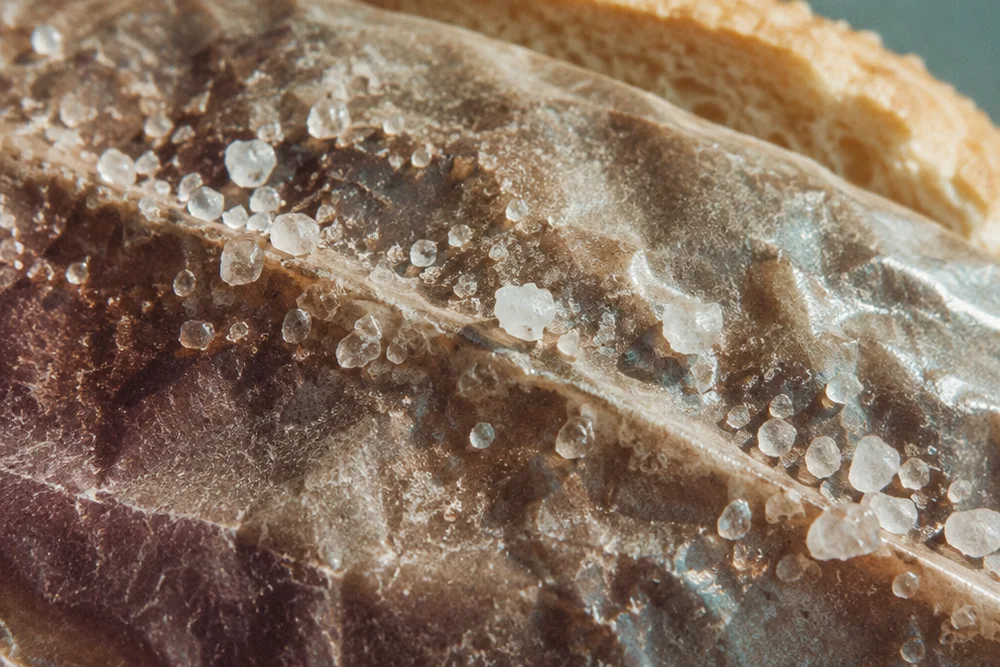
Neri had left a pencil and a ruled sheet with Jessa’s papers. Jessa laid it across an upturned crate and wrote the first address in red, then set the red pencil behind her left ear while she worked the latch. The bread inside was wrapped in waxed paper. One end of the bundle had gone soft; salt crystals freckled the paper and the top loaf’s crust. Jessa lifted it carefully and set it apart from the dry loaves.
“That one’s mine,” said a woman with a blanket around her shoulders. “I can cut off the end.”
“You can,” Jessa said. “I’m still writing down that it took spray. If you decide it’s no good by supper, the record won’t say it arrived dry.”
The woman studied her, then nodded. “Fair enough.”