The Drawer of Unclaimed Keys
Page 72 of 226
Chapters
PERSON WHO OWNS KEY.
WHAT THEY ASKED FOR.
WHO, IF ANYONE, MAY HOLD IT.
The last column was narrow at first. She widened it until the pencil line nearly reached the paper’s edge.
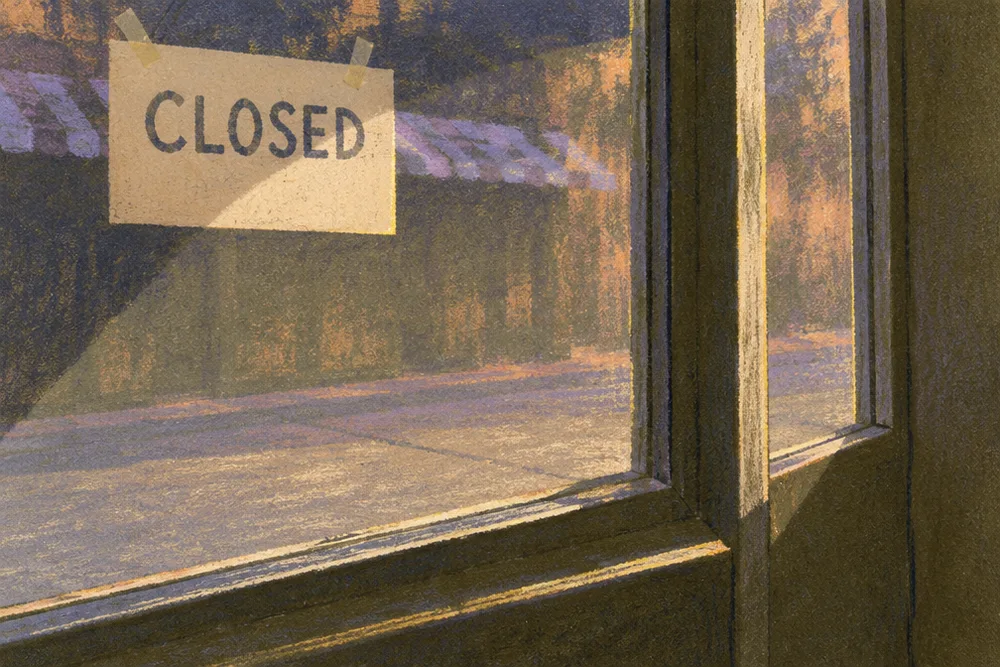
A knock sounded at the glass. Lenora raised her head. A young man in a dark hood stood outside, one palm lifted in apology. He pointed at the CLOSED sign, then mimed turning a key. Lenora shook her head and showed him the clock. He nodded, tucked his hand into his pocket, and went on down the pavement.
She watched him disappear, then looked back at the sheets. Even an ordinary question had a way of arriving with its own urgency. The man had wanted a machine. Someone else might want the comfort of a key without having to say why. But a need, even a real one, could not answer on behalf of the person who would be let in.
Lenora wrote another line at the bottom: IF YOU DON’T WANT ANYONE TO HOLD IT, THAT’S ALL RIGHT.
She read the sentence twice. It was plain, almost childish. That was why it worked. The person at the door would not have to invent a reason, or choose a different holder to spare someone’s feelings. The drawer could remain a drawer. A key could go home in its owner’s pocket. Nobody needed to be assigned a duty just because there was a hook waiting.
She copied the sentence onto each of the blank forms she had cut from a stack of old price sheets. The paper had faded at the edges, and faint blue numbers showed through from the other side. She wrote slowly enough for each line to stay legible: “Would you like this key returned to you, or kept by someone you choose?” Then beneath it: “It’s all right if you don’t want anyone to hold it.”
The phrasing was not perfect. It did not ask whether the person wanted a key kept for a particular purpose, or whether the chosen person had agreed. She added a second question: “Has that person agreed to keep it?” The sequence mattered. A name on a hook was not consent; a key in a pocket was not a promise of endless availability.