The Bell Was Not Carried
Page 63 of 257
Chapters
In the ledger she entered the scheduled crossing she had observed. Beneath the day’s official fares, the after-hours line remained blank. She did not fill it from another person’s knowledge. Outside, tidewater drew along the mud in a dark current, carrying no names that she could read.
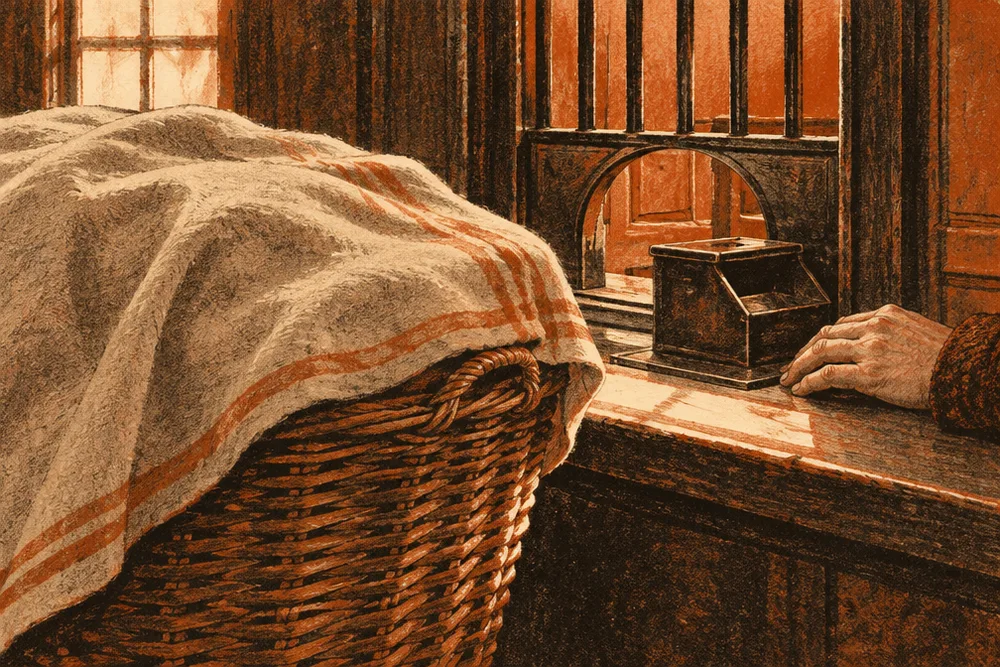
At noon, Martha came to the office with a basket of folded washing. She did not bring the ledger. Fanny met her at the hatch, where the counter separated the ticket clerk from anyone waiting to cross.
“I’ve told two people they may come and listen,” Martha said. “I didn’t ask whether they would speak.”
“Thank you.”
“Don’t thank me as if they’ve agreed to give you something. They have agreed to consider coming.”
“You’re right.” Fanny had learned to be wary of gratitude that turned an offer into a debt. “I’ll tell them the chair can be asked to let spectators leave without being questioned.”
“Can it?”
“I don’t know. I’ll ask.”
Martha shifted the basket to her other arm. “Then that is what you tell them.”
Fanny wrote the chair’s request on the back of her consent sheet, where it would not be confused with a rule already in force. She did not write Martha’s name beside the two invitations. “I’m trying to make the invitation plain.”
“Plain isn’t the same as safe,” Martha said. “But it is better than pretending.” She waited for the next scheduled boat. The little fare she paid went into the official box; the basket rested on the counter between them, its contents covered by a clean cloth.
Fanny watched the boat reach the far steps. She could ask Martha how much washing was inside, how many households had contributed, whether any of it had gone across on an unscheduled turn. Every question might seem useful. She let them remain unasked.
“The laundry fund still owes for those relief turns,” Martha said, as though answering a question Fanny had chosen not to ask. “I can explain how that account worked. I won’t say when the calls were made.”
“That would help people understand why a boat might go without a fare.”
“It would explain the payment. Not the passenger.”
“I’ll say that.”
The boatman called from the landing. Martha lifted her basket. “If anyone asks me for a date, I’ll say no.”
“And I won’t ask you to say otherwise.”
Martha crossed the threshold to the boat. Fanny let the hatch fall closed after the fare was entered. One small payment, one named customer, one ordinary crossing: the official book could record that much without pretending it knew everything that had happened on the creek.